Yes—these walk-behind garden cultivators are designed to reduce strain while prepping soil, weeding, and cultivating beds. This guide highlights models that suit different garden sizes and user needs, from lightweight wheel hoes to electric tillers. The top picks are best for hobby gardeners, urban plots, and small to medium yards who want efficient soil preparation without heavy lifting. Below, you’ll find quick comparisons, real-world use ideas, and clear buying criteria to help you choose the right tool for your soil, weed control, and seeding tasks.
Summary Table
| Product | Best For | Why It Stands Out | Limitations |
|---|---|---|---|
| Varomorus High Wheel Cultivator | Small to medium plots; hands-off wheel hoe users | Heavy-duty steel, modular with attachments, shallow cultivation | Requires compatible attachments for some tasks |
| Walensee 2-in-1 Manual Wheel Hoe | Raised beds and row crops | Two interchangeable tools; adjustable long handle | Manual, may require more effort for very hard soil |
| Walensee Rotary Cultivator | Soil aeration and seedbed prep | Four star wheels with sharp teeth; 2-in-1 weeder | Requires some effort for dense soil |
| Colwelt Rotary Cultivator | Dense soil and reseeding projects | Detachable aluminum tines; improves water penetration | Manual operation; deeper work may need power |
| Sun Joe TJ604E Corded Tiller | Large beds and regular tilling | 16-inch width; 13.5-amp motor; steel tines | Corded power limits mobility |
Varomorus High Wheel Cultivator

The Varomorus High Wheel Cultivator is a steel, single-wheel hoe designed for shallow cultivation that preserves soil structure while efficiently weeding and prepping seed rows. It features heavy-duty all-steel construction for durability and a universal toolbar that supports a range of attachments, expanding its garden utility beyond simple weed removal. This model is best for gardeners who want a sturdy, modular tool that can adapt to different cultivation tasks over the growing season.
Who it’s best for: small to medium gardens where you want reliable performance with upgrade options. Why selected: the combination of a robust build, compatibility with Varomorus attachments, and wheel-assisted operation makes it a versatile, long-term choice. Caution: dependent on compatible attachments for full functionality; verify accessory options before purchase.
Walensee 2-in-1 Manual Wheel Hoe
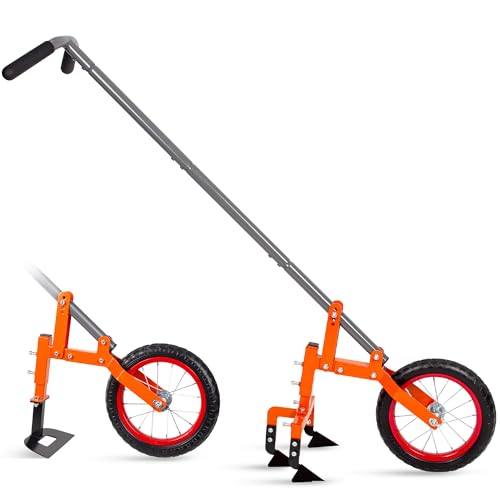
This 2-in-1 wheel hoe combines a cultivating tool with a dedicated weeding blade, offering two interchangeable components for soil loosening and weed removal. The adjustable long handle reduces bending, enabling an upright posture during extended sessions. The design supports raised beds and tight spaces where traditional tools struggle, making it ideal for vegetable plots and patchy lawns.
Best for: gardeners who want a compact, versatile tool for seated-to-standing work. Choose this if you value two tools in one and adjustable height. Caution: manual operation can be tiring on dense soil; consider combining with other tools for heavy-duty tasks.
Walensee Rotary Cultivator Garden Tool
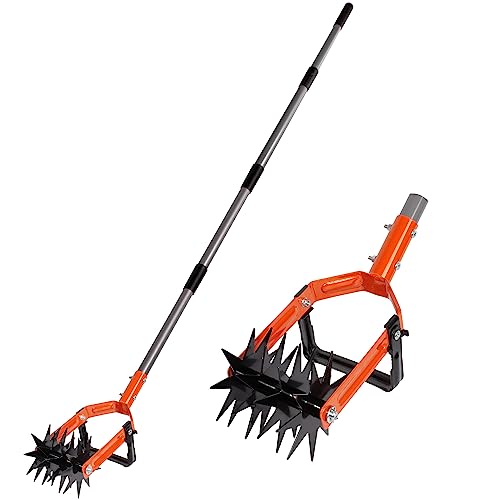
The Walensee Rotary Cultivator uses four interlocking star-shaped wheels with nine teeth each to break compacted soil, mix in amendments, and aerate roots for healthier growth. Its 2-in-1 weeding blade provides precision weed removal in tight spaces. The detachable, adjustable long handle supports ergonomic use for extended sessions.
Best for: lawns and gardens needing fast soil loosening and aeration with the option to edge and weed efficiently. Better for: reducing soil compaction while preparing seedbeds. Limitation: manual operation may require more effort compared with powered tillers on very large areas.
Colwelt Rotary Cultivator Garden Tool
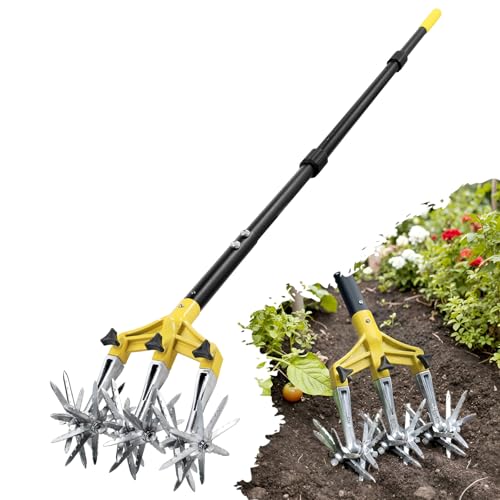
The Colwelt rotary cultivator focuses on breaking up compacted soil to improve water penetration and nutrient uptake, aiding seedbed preparation and reseeding efforts. It emphasizes soil aeration and texture improvement with sharp, durable tines and a compact footprint for raised beds and borders.
Best for: gardeners needing to transform stubborn, clumpy soil into workable seedbeds. Choose this if you want to aerate and loosen soil thoroughly without a powered engine. Caution: manual devices may require more physical effort in very hard soils; consider powered options for frequent heavy use.
Sun Joe TJ604E Corded Electric Garden Tiller

The Sun Joe TJ604E offers a 13.5-amp motor for deeper soil work and 16-inch tilling width, making it suitable for larger beds. It uses steel tines to deliver reliable performance and includes a broad working depth to accelerate prep work. The model is designed for durability and ease of maintenance, with a foldable handle for convenient storage.
Best for: gardeners with larger plots who want efficient, powered tilling. Choose this if you prefer less effort and faster preparation; avoid this if you need true cordless maneuverability or work in very tight spaces.
Buying Guide: Walk-Behind Garden Cultivators
- Seedbed readiness: If you plant small seeds, look for shallow cultivation and precise weed removal. Wheel hoes and 2-in-1 tools shine here.
- Soil type: Dense or clay soils benefit from deeper tilling or aeration gear; star-wheeled or spiked tines help break up compacted ground.
- Effort vs. area: Manual tools are lighter and cheaper but require more effort on large plots. Electric or gas-powered units cover more ground with less effort.
- Ergonomics: Long handles and adjustable heights reduce back strain. Ergonomic grips and wheels can improve control over long sessions.
- Maintenance: Steel construction lasts longer, but ensure you can easily replace tines or blades. Consider modular designs for future attachments.
- Attachability: Some tools are compatible with additional attachments. Check for toolbar compatibility if you plan to expand capabilities.
FAQ
- What is a walk-behind cultivator best used for? They are ideal for soil prep, weed control, and seedbed formation in small to medium gardens, especially where bending and repetitive motion are a concern.
- Do I need a powered tiller or a manual wheel hoe? Choose manual for lighter tasks and tighter spaces; choose electric or corded options for larger areas and deeper tilling.
- Can these tools break through compacted soil? Some models with star wheels or durable tines are designed to break up compacted soil, but very hard ground may require multiple passes or a powered tiller.
- Are cordless options worth it for small gardens? Yes, cordless tillers provide mobility without cords, suitable for raised beds and irregular plots where outlets are scarce.
- How should I choose between a wheel hoe and a rotary cultivator? Wheel hoes excel at weeding and light cultivation in rows, while rotary cultivators are better for deeper soil loosening and seedbed preparation.
- What maintenance is required? Regularly check tines or blades for wear, tighten fasteners, clean soil residue after use, and store in a dry place to prevent rust.