Answering the need for safe, effective whitefly control, this guide compares five top organic options. These sprays are suitable for home gardens, houseplants, and outdoor beds, helping gardeners protect foliage without synthetic chemicals. This overview targets buyers seeking organic, ready-to-use or concentrate solutions that kill whiteflies at multiple life stages, while minimizing harm to pollinators when used as directed. The top products below are selected for user-friendly application, clear labeling, and practical benefits for different plant types.
Summary table of chosen products:
| Product | Brand | Best For | Form | |
|---|---|---|---|---|
| Captain Jack’s Neem Oil, Ready-to-Use | Bonide | Organic gardens needing multi-purpose control | Ready-to-use spray | Kills eggs, larvae, adults; fungicidal too |
| Insect Killing Soap Concentrate | Safer | Delicate plants and ornamentals | Concentrate spray | OMRI listed for organic use |
| Captain Jack’s Insecticidal Soap | Bonide | Outdoor home gardens and greenhouses | Ready-to-use spray | Direct contact and ingestion kill |
| Earth’s Ally 3-in-1 Plant Spray | Earth’s Ally | Indoor/outdoor prevention and treatment | Ready-to-use spray | Botanical oils; controls multiple pests |
| ARBER Organic Insecticide & Fungicide (Concentrate) | ARBER | Versatile indoor/outdoor pest control | Concentrate spray | Controls fungus and pests with organic actives |
Bonide Captain Jack’s Neem Oil, 32 oz Ready-to-Use
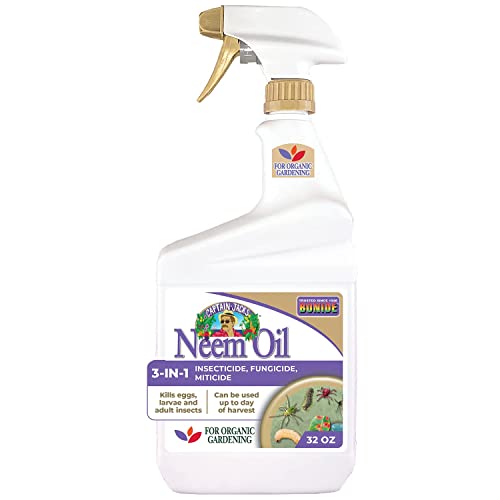
Goods overview: Bonide Captain Jack’s Neem Oil combines fungicidal, miticidal, and insecticidal action in a single ready-to-use spray. The formulation targets all life stages of many pests and helps prevent fungal infections on a broad range of plants. Best for gardeners who want a simple, immediate solution for multiple garden ailments in one bottle.
Who it’s best for: Home gardeners seeking an all-in-one organic option that can be sprayed on edible and ornamental plants up to harvest. This product is particularly useful for those who prefer ready-to-use convenience with minimal prep.
Why selected: The three-in-one approach reduces the need for separate products and can simplify routines for small gardens or balcony setups. It also provides broad-spectrum protection against mites and common foliage diseases.
Caution or limitation: Neem oil can cause phytotoxicity on some sensitive plants if applied in direct, bright sun; test on a small area first and follow label directions for timing and dilution where applicable.
Safer 5118-6 Insect Killing Soap Concentrate
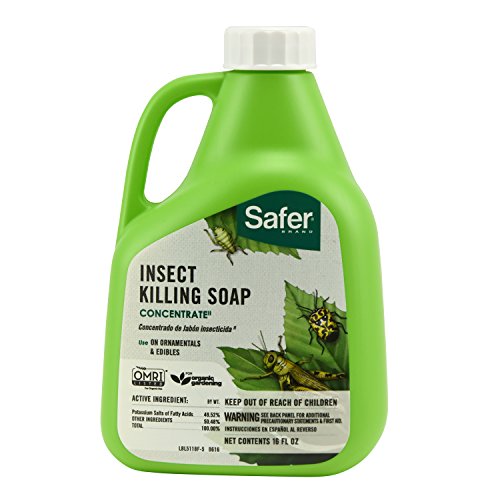
Overview: This insecticidal soap concentrate targets a broad spectrum of soft-bodied pests, including whiteflies, aphids, and spider mites. It is designed for use across flowers, vegetables, herbs, and houseplants, making it a versatile choice for mixed gardens where delicate plant material is present.
Who it’s best for: Gardeners who want a plant-safe option for regular applications throughout the growing season, with a focus on soft-bodied pests and minimal risk to beneficial insects when used as directed.
Why selected: It provides a gentle, repeatable approach to whiteflies and other pests without harsh residues. The OMRI-listed status adds confidence for organic growers seeking compliant inputs.
Limitation: Effectiveness depends on complete coverage and repeat applications every 5–7 days during active infestations; may require multiple treatments for heavy outbreaks.
Bonide Insecticidal Soap, 32 oz Ready-to-Use
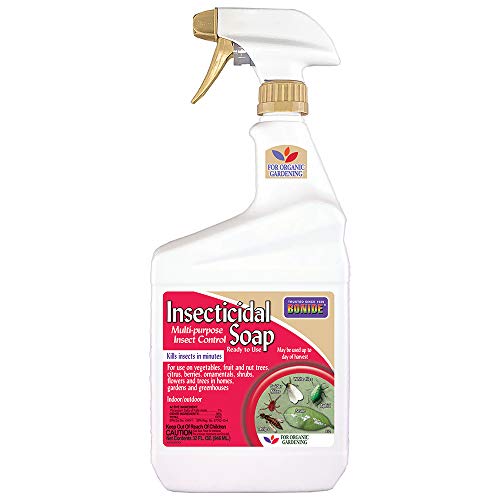
Overview: This multi-purpose insect soap is designed for outdoor residential use and can address a wide array of garden pests, including aphids, whiteflies, thrips, and spider mites. It operates by direct contact and ingestion, offering a practical tool for spray programs in home gardens and greenhouse spaces.
Who it’s best for: Gardeners managing mixed plantings—edibles, ornamentals, and herbs—who want a straightforward, contact-based pest control method that is easy to apply outdoors.
Why selected: It complements a prevention strategy by stopping pests on contact and providing immediate knockdown, which helps keep plant damage at bay during peak pest seasons.
Caution or limitation: Repeated applications may be necessary during heavy infestations, and some glossy or waxy leaf types can resist spray coverage if not thoroughly wetted.
Earth’s Ally 3-in-1 Plant Spray

Overview: Earth’s Ally 3-in-1 Plant Spray combines insecticidal, miticidal, and fungicidal action using a blend of botanical oils. The product targets pests like whiteflies and powdery mildew while offering a safe profile for pollinators when used as directed.
Who it’s best for: Gardeners seeking a natural oil-based solution that can both prevent and treat pests and diseases on a range of plants, from home gardens to potted arrangements.
Why selected: The synergy of oils helps disrupt pest life cycles and disease spread, making it a good fit for integrated pest management programs that favor botanical inputs.
Limitation: Oil-based sprays may leave a residue on certain leaf surfaces; ensure application timing aligns with weather and plant sensitivity.
ARBER Organic Insecticide & Fungicide (Concentrate)

Overview: ARBER offers a liquid concentrate designed for both indoor and outdoor use, controlling common pests such as whiteflies, aphids, mealybugs, and spider mites while also addressing powdery mildew and other diseases. The product is formulated to support a balanced microbiome in treated soil and foliage.
Who it’s best for: Gardeners who want a flexible concentrate that can be tailored to different plant sizes and pest pressures, including seedlings and established beds.
Why selected: Its concentrate form provides cost efficiency and customization, enabling lighter or stronger dilutions depending on the pest pressure and plant sensitivity.
Limitation: Concentrates require correct mixing and immediate use after preparation to maintain efficacy; misdilution can reduce effectiveness.
Buying Guide: Organic Sprays For Whiteflies
- What pest pressures are you facing? If whiteflies are a primary concern, prioritize products with proven activity against whiteflies in multiple life stages, such as neem-based oils or concentrated insecticidal soaps.
- What plant types are being treated? Delicate foliage or edible crops may benefit from gentle, plant-safe formulas. For vegetables and herbs, OMRI-listed options provide additional assurance for organic use.
- Ready-to-use vs. concentrate? Ready-to-use sprays offer convenience for quick treatments, while concentrates let you customize dilution for large areas or recurring applications.
- Mode of action? Consider oils, soaps, and botanical blends. Oils often provide systemic-like coverage and suffocation of pests, while soaps offer contact kill with less residue on foliage.
- Impact on beneficials? Follow label timing to minimize harm to pollinators and natural enemies. Apply during cooler parts of the day when bees are less active if allowed by the product.
- Usage frequency? Some products require repeat applications every 5–7 days during outbreaks, while others provide residual control with fewer applications.
Frequently Asked Questions
- Are organic sprays safe for edible crops? Many are, but always follow label directions regarding harvest intervals and weather considerations to minimize residue concerns.
- Can I mix different sprays? Mixing is generally not recommended unless explicitly allowed on the label, as incompatibilities can reduce effectiveness or damage plants.
- How often should I apply for whiteflies? Start with a treatment every 5–7 days during active infestations, then adjust based on pest activity and product instructions.
- Will these sprays harm beneficial insects? When used as directed and applied during non-creep periods for pollinators, harm can be minimized; rely on targeted applications and shorter spray windows to protect beneficials.
- Do organic sprays kill eggs, larvae, and adults? Some products, notably neem-based oils, offer multi-stage action, while soaps typically provide rapid knockdown on contact.
- What should I test first on sensitive plants? Perform a small leaf patch test 24–48 hours before full application to check for phytotoxicity, especially on sun-exposed or tender foliage.