Looking for a dense shade grass seed mix that thrives with limited sunlight? This guide highlights five top options designed to establish thick, dark-green turf in shade-prone yards. Each pick targets different shade conditions, from deep shade under trees to partial sun with occasional shadows. The following selections are well-suited for homeowners who want a durable, low-maintenance lawn in challenging light conditions.
| Product | Best For | Shade Type | Coverage |
|---|---|---|---|
| Pennington Smart Seed Dense Shade Grass Mix | Lawn areas with light to deep shade | Partial to dense shade | Thick turf in sun-starved zones |
| Jonathan Green Black Beauty Dense Shade Mix (10610) | Big shade trees and cluttered garden beds | Heavy shade | Dark-green, dense lawn |
| Jonathan Green Black Beauty Dense Shade Mix (10622) | Small patch restoration and overseeding | Moderate to heavy shade | Dark-green, rapid germination |
| Scotts Turf Builder Dense Shade Mix | Lawns with as little as 3 hours of sun | Full sun to dense shade | Root-building and soil improvement |
| GreenView Pure Grass Seed Dense Shade Mix | Narrow, shaded strips and under-canopy lawns | Shade-tolerant | Weed-free, quick germination |
Pennington Smart Seed Dense Shade Grass Mix Bag 7 lb
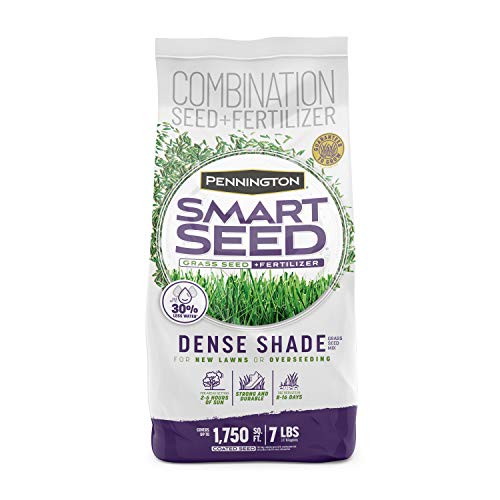
The Pennington mix blends Tall Fescue and Fine Fescue to perform well in shady conditions. It aims to grow thick, green grass in areas with limited sunlight and includes a measured amount of fertilizer to support lawn success. Best for lawns with partial shade or areas that rarely receive direct sun, where thick, even turf is the priority. A noted limitation is that results can vary with extreme shade or compacted soils; aeration and proper watering improve outcomes.
Jonathan Green Black Beauty Dense Shade Grass Seed – 25 lb

This shade-tolerant mix is designed for areas with limited sunlight, such as under large trees or near structures. It promises a dark-green, dense lawn and quick establishment, aided by germination typically within 14–21 days and the inclusion of endophytes for potential turf health benefits. Best for large shaded patches or where a robust, visually dark lawn is desired. Note that very dense shade may slow germination or establishment in some soils.
Jonathan Green Black Beauty Dense Shade Mix (10622) – 1 lb

This compact 1-pound bag offers a shade-tolerant blend designed for areas with limited sunlight. It aims to deliver a dark-green, dense turf with a germination window of 14–21 days. Suitable for small patches or overseeding in existing lawns that experience shade from trees, buildings, or shrubs. Choose this option for quick, targeted shade repair, but consider larger bags for broader landscapes.
Scotts Turf Builder Dense Shade Mix

Scotts’ mix claims to grow with as little as 3 hours of sun, pairing seed with root-building nutrition to establish deep roots. It is described as suitable for full sun to dense shade, with a focus on drought resistance and durability. Choose this if your lawn experiences variable light and you want a blend that can endure both sun and shade. A potential limitation is reliance on soil preparation to maximize germination success in very dense shade.
Jonathan Green 40600 Dense Shade Grass Seed, 3 lb

A compact 3-pound bag designed for dense shade patches, covering up to about 1,800 square feet. It emphasizes 100% superior grass seed for shade-tolerant turf. Best for larger shade areas where a steady, dark-green lawn is the primary goal. A caveat is that small bags may require multiple applications for larger shaded zones.
Buying Guide: Dense Shade Grass Seed Mixes
What should you consider when choosing a dense shade grass seed mix?
- Light exposure: Evaluate the number of sunlight hours your lawn actually receives. Some blends tolerate deep shade, while others are better for partial shade or sun-dappled areas.
- Soil preparation: Shade-tolerant grasses often establish best in well-drained, fertile soils. Aeration and a light soil amendment can improve germination.
- Germination and establishment: Look for mixes with fast germination (often around 10–21 days) and good establishment characteristics to minimize weed competition.
- Color and texture: For a uniform appearance, choose varieties that promise a dark-green color and dense growth habit.
- Maintenance considerations: Some blends include fertilizers or nutrient boosters. Consider whether you need a stand-alone seed or a product that also provides soil improvement.
- Size and coverage: Match bag size to your lawn area. Larger patches may benefit from higher coverage per bag, while smaller patches allow precise overseeding.
Shade Management and Lawn Care Tips
To maximize success with dense shade seed mixes, combine proper seed selection with light pruning of overhanging branches, regular mowing at a higher height, and consistent watering to keep the soil evenly moist during germination. Avoid heavy compaction by limiting foot traffic on new seedbeds during the first few weeks.
Comparative Quick Reference
- Best for deep shade: Jonathan Green Black Beauty Dense Shade Mix (10610) and 10622 for smaller patches
- Best for quick establishment: GreenView Pure Grass Seed Dense Shade Mix and Scotts Dense Shade packages
- Best overall value in shade zones: Pennington Dense Shade Mix for a balanced blend of tall and fine fescue
FAQ
- What is the fastest way to establish dense shade grass seed?
Germinate in well-prepared soil, water consistently, and avoid mowing too early. Choose blends known for quick establishment and disease resistance. - Can I overseed over an existing lawn with shade seed mix?
Yes. Overseeding helps fill thin areas. Mow closely, rake lightly, and apply seed evenly to promote good seed-to-soil contact. - Do shade mixes require special fertilization?
Some blends include starter fertilizer or endophytes. Follow product instructions and avoid over-fertilizing, which can encourage thatch growth. - Is weed control necessary before seeding?
Weed-free soil yields better germination. Consider pre-emergent or manual weeding before seeding for best results. - How much shade is too much for these mixes?
Very dense shade can slow germination and establishment; consider structural pruning or relocate seedlings to slightly sunnier zones if possible. - Do these blends work in all climate zones?
These products are designed for typical North American cool-season climates; verify region suitability and timing for your location.