Whether you’re growing a compact home plot or a larger vegetable patch, pole beans are a dependable, high-yield choice. This guide highlights five top pole bean seed options, each chosen for reliability, growing ease, and culinary versatility. It helps you pick the right variety based on space, climate, and how you plan to use the beans. The listed products are best for gardeners aiming for fresh harvests, preserving shelves, or entertaining with colorful, productive vines.
The following quick-reference table summarizes the five selected products, including ideal growing conditions and what each is best for. Use it to compare basics at a glance and decide which variety fits your garden goals.
| Product | Best For | Growing Brief | |
|---|---|---|---|
| Kentucky Wonder Pole Bean Seed | Home vegetable gardeners seeking heavy yields | Direct sow in warm soil; 58-67 day maturity | Non-GMO heirloom; long pods |
| Rattlesnake Pole Bean Seeds | Climbing-vine display with purple streaks | 4-6″ spacing; 55-65 day maturity | Bright, distinctive beans; ornamental value |
| Kentucky Wonder Yellow Wax Bean (Pole) | Space-saving, high-yield yellow beans | Pole habit; long harvest season | Vibrant color; tender flavor |
| Blue Lake Pole Beans | Classic pole bean with universal appeal | High-yielding; typical pole-bean growth | Bulk seeds; reliable producer |
| Lima Bean Pole Variety | Large, creamy beans for canning or cooking | Vigorous climbers; warm-season | Hearty flavor; versatile use |
Kentucky Wonder Pole Bean Seed for Planting
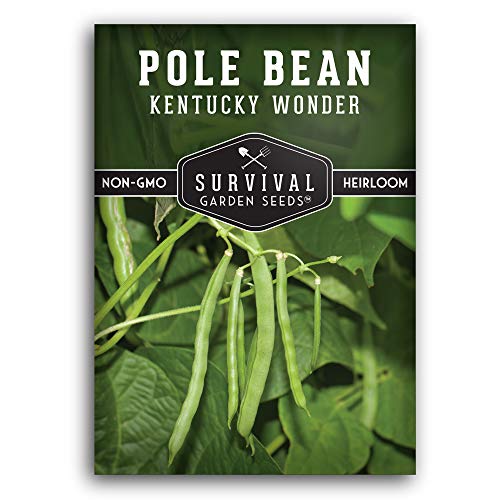
Brand: SURVIVAL GARDEN SEEDS
Beans: Kentucky Wonder Pole Beans. Type: Pole bean; Open-pollinated, non-GMO heirloom variety. Description notes a heavy yield of long, tender pods that can reach 7-10 inches and are best harvested when 5 inches or smaller for stringless quality. Gardeners in USDA Zones 3-11 can direct-sow once soil is 60–70°F, with germination in 7–10 days and full maturity in 58–67 days. Pack size ~42-47 seeds.
Who it’s best for: Home gardeners seeking a proven heirloom that yields abundant long pods and can be preserved or enjoyed fresh. Why selected: The Kentucky Wonder is a classic, reliable pole bean with a strong track record for productivity and versatility in cooking and storage.
Limitations to note: Requires warm soil to germinate; continuous picking helps maintain high yields. Moderate care is needed to avoid overcrowding on trellises.
Eden Brothers Bush Bean Seeds – Harvester

Brand: Eden Brothers
Beans: Bush Harvester Beans. Type: Bush bean (non-pole). Non-GMO packets; plant 1 inch deep, 4–6 inches apart during warm seasons, with typical maturity around 55 days. Height up to 16 inches, making these suitable for smaller spaces or container gardens. Zones 3–9 compatible; requires full sun and regular water.
Who it’s best for: Gardeners with limited vertical space seeking a high-yielding, low-maintenance option that can perform well in containers or small beds. Why selected: Easy-to-grow, compact height, and quick maturity suit urban or balcony gardens.
Limitations to note: Not a true pole variety; if you specifically want climbing beans for trellis space, this is a bush alternative.
100+ Blue Lake Pole Bean Seeds

Brand: Generic
Beans: Blue Lake Pole Beans. Type: Pole bean; heritage-style seeds offered in bulk. Described as very productive, suitable for gardeners wanting a dependable staple bean for canning, freezing, or fresh use. Requires full sun, fertile soil, and supports for climbing.
Who it’s best for: Gardeners looking for a bulk supply of reliable pole beans for large harvests or processing. Why selected: Widely recognized as a reliable workhorse for home gardens, especially with canning or freezing plans.
Limitations to note: Brand indicates generic seed; performance may vary by growing conditions. Provide sturdy trellis and consistent watering during heat waves.
King of The Garden Lima Bean Seeds (Pole)

Brand: Isla’s garden seeds
Beans: Lima Beans (Pole). Type: Pole bean; vigorous climbing vines with large, tender lima pods. Best grown with a trellis and in full sun; soil should be loose and well-drained. Plant after frost when soil warms; expect a long warm-season harvest. Flavor profile described as creamy and rich; versatile for steaming, canning, or freezing.
Who it’s best for: Gardeners wanting large, hearty beans with robust culinary use and strong climbing growth. Why selected: The variety is renowned for productive vines and substantial pod size, making it a good option for canners and cooks alike.
Limitations to note: Requires trellis or sturdy support and steady moisture; drought or heavy winds can affect pod set.
Sow Right Seeds Rattlesnake Pole Bean Seeds
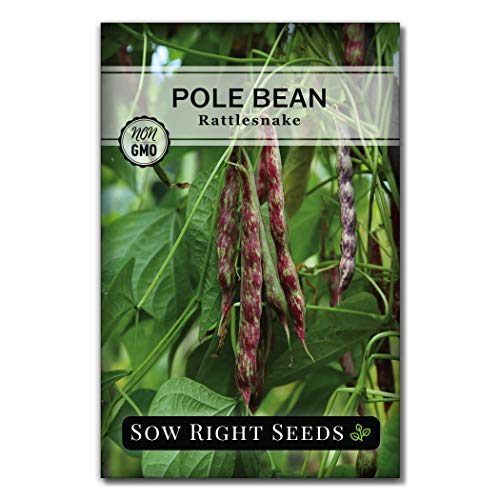
Brand: Sow Right Seeds
Beans: Rattlesnake Pole Beans. Type: Pole bean with purple streaks on dark green pods. Mature in 55–65 days; grows 8–10 feet tall with a 12–16 foot spread. Plant 1 inch deep, 4–6 inches apart in full sun. Produces a striking garden focal point while delivering tasty, stringless beans when young.
Who it’s best for: Gardeners who want a visually striking vine that doubles as an ornamental feature and a productive food source. Why selected: The Rattlesnake bean offers a unique look and dependable productivity, making it a strong decorative-culinary choice.
Limitations to note: Tall vines require ample trellising; mature pods develop color variations that may affect picking timing for uniform harvest.
Buying Guide: Key Considerations for Pole Beans
- Space and trellis needs: Pole beans require vertical support. If space is limited, consider compact pole varieties and plan trellis height and spacing before planting.
- Climate compatibility: Most pole beans thrive in warm nights and soil temps above 60°F. Check your USDA hardiness zone and the typical last frost date to time sowing accurately.
- Growth habit and yield expectations: Pole beans typically yield more per square foot than bush beans, but they need consistent staking and training. Choose a variety whose maturity timeline matches your growing season length.
- Flavor and use: Heirloom and classic varieties offer varied textures—useful in fresh preparations, canning, or freezing. For visually appealing gardens, some varieties (like Rattlesnake) provide ornamental interest.
- Seed source and quality: Non-GMO and open-pollinated seeds preserve the option to save seeds. Bulk or small-pack options cater to different garden sizes.
Frequently Asked Questions
- What is the best time to sow pole beans? Answer: Sow after the danger of frost has passed and soil temperatures reach about 60–70°F for best germination and rapid growth.
- How tall do pole beans grow? Answer: Many pole varieties reach 6–10 feet tall or more with proper trellising and support.
- Do pole beans require a trellis? Answer: Yes. Pole beans climb on trellises, tall stakes, or other vertical supports to maximize yield and air circulation.
- Can I save seeds from pole beans for next year? Answer: Open-pollinated and non-GMO varieties can be saved, but cross-pollination can occur if multiple varieties are grown nearby. Store seeds in a cool, dry place.
- Which bean varieties are best for canning or freezing? Answer: Many pole beans, including Blue Lake-type and Lima-type beans, hold up well to canning or freezing when harvested at the right stage.
This selection offers a balanced mix of classic, visually striking, and space-efficient pole bean seeds. Whether you want long, stringless pods, bold purple-streaked beans, or large creamy lima beans, these options provide practical choices for a productive garden that aligns with different space conditions and culinary goals.