Looking for the darkest purple lilac bush to anchor your spring landscape? This guide highlights five strong choices, tailored for buyers who want deep, fragrant blooms and reliable growth. Each option is described with who it suits best, why it’s a fit, and a clear limit to consider. Use this as a quick-reference buying guide to compare size, bloom timing, and hardiness across popular varieties.
Buyer summary table (selected products):
| Product | Best For | Hardiness | Key Benefit |
|---|---|---|---|
| DAS Farms Common Lilac Bush | Foundations of a fragrant hedge | Zones 4-8 | Ready-to-plant, classic lilac form |
| Proven Winners Syringa x Bloomerang Dark Purple | Low-maintenance, reblooming feature | Zones 3-7 | Blooms again from summer to frost |
| Old Fashion Lilac Plant | Traditional appeal in borders | Zones 3-8 | Fully rooted, ready for planting |
| Lilac Bushes 6-8 Inches (Dark Purple) | Compact borders or containers | Zones 5-8 | Small, well-rooted starter |
| Purple Lilac Live Plant (4″ Pot) | Garden borders, hedges, or containers | Zones 5-8 | Vibrant spring blooms and fragrance |
Common Lilac Bush – Lavender Purple Blooms

Brand: DAS Farms. Features indicate ready-to-plant live plants shipped at the stated height (2 to 3 feet). Deciduous behavior in winter and bare-root options may apply by region. Thrives in zones 4–8 with full to partial sun. This option is best for buyers seeking a classic lilac look with dependable spring fragrance and a traditional lilac silhouette. A potential limitation is seasonal leaf absence in winter and zone-specific regulations for certain states.
Who it’s best for: Gardeners wanting an easy-to-spot, classic lilac hedge or focal plant in temperate climates. Why selected: It represents a traditional lilac form and straightforward planting, with standard guidance on sun and soil. Caution: Winter dormancy may mean no leaves for several months.
Proven Winners – Syringa x Bloomerang Dark Purple
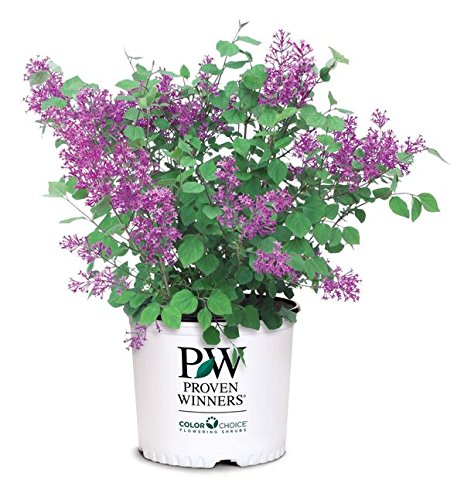
Brand: Green Promise Farms. Features note that the plant arrives fully rooted and ready to plant. It is a reblooming lilac that flowers in spring and again through summer to fall. It tolerates well-drained soil and grows in partial shade to full sun. Dormancy in late fall through winter is normal. Best for: gardeners who want continued fragrance and color beyond spring. Why selected: reblooming capability adds seasonal interest. Caution: blooming may be less dramatic in very hot climates or poor soils.
Best for buyers who want a compact, later-season bloom and reliable remontancy. This option is a top pick for those who value fragrance across multiple seasons and a neat, rounded habit that suits borders and focal points.
Old Fashion Lilac Plant Live for Planting

Brand: AVERAR. Features describe a fully rooted plant, 20 to 30 inches tall, purple or lavender blooms, and suitability for USDA zones 3–8. This is best for buyers wanting a traditional lilac form with strong fragrance and a plant that comes ready to install in garden beds or larger containers. Why selected: solid classic lilac with early to mid-season fragrance. Caution: Always verify local transplant regulations for bare-root shipments where applicable.
Best for traditional homeowners seeking a ready-to-plant, fully rooted lilac with proven fragrance and a strong border presence. Choose this if you want a larger established look without waiting years to establish roots.
Lilac Bushes Live Plant, Dark Purple

Brand: Generic. Features note a mature size up to 2 feet tall and a focus on garden borders and landscaping. Zones 5–8 suitability implies moderate winters and good drought tolerance once established. Best for: compact spaces, container gardens, or small borders that still want a dark purple bloom highlight. Why selected: small stature allows flexible planting in limited spaces. Caution: may require more frequent watering during establishment in hotter climates.
Logical pick for smaller gardens or containers where a deep purple bloom serves as a standout feature without overwhelming the space. It complements larger lilacs when planted in groups or as a color accent.
Lilac Bushes Live Plant, Dark Purple Lilac Syringa

Brand: YOKEBOM. Features highlight a well-rooted plant, 6 to 8 inches tall, ready to plant. Best for: quick-start containers or small garden beds where space is limited but a purple bloom is desired. Why selected: compact starter that can be grown into a fuller plant over time. Caution: as a smaller plant, it will take time to reach mature flowering size.
Buying Guide: Key Purchase Considerations
- Bloom color and fragrance: Look for deep purple tones and strong fragrance if that’s a priority. Reblooms or repeat flowering varieties can extend color.
- Size and site fit: Consider mature height and spread. Some starters stay small, others quickly fill space.
- Hardiness zones: Match with your climate to ensure reliable performance in winter and spring.
- Sun exposure: Most lilacs prefer full sun; partial shade can reduce bloom density.
- Rooting method: Bare-root vs. potted plants have different transplant needs and timing; follow state/regional shipping notes.
- Soil and drainage: Well-drained soil supports better blooms and reduces root rot risk.
- Maintenance needs: Reblooming varieties may require pruning and fertilizer guidelines for sustained flowering.
FAQ
- What is the best lilac for scent and color? — The classic lilac shapes with deep purple flowers offer strong fragrance and vivid color, with reblooming options extending bloom time.
- Can lilacs grow in pots? — Yes, smaller varieties and starter bushes can be container-planted, but they still need sun and well-drained soil. Expect slower growth in containers.
- What planting time is best? — Plant when weather is cool and soil is workable; early spring or fall planting helps establish roots before peak growth seasons.
- Are lilacs deer-resistant? — Lilacs are generally not a preferred food source for deer, though local deer behavior can vary.
- Do lilacs require pruning? — Pruning after bloom helps maintain shape and encourages better flowering in following seasons.
- What zones are lilacs suitable for? — Most common lilacs thrive in zones 3–8, with some varieties tolerating warmer or cooler conditions depending on cultivar.