Answer: For shade-prone lawns, choose tall fescue or mixed shade-tolerant blends designed to thrive with limited sun. These seeds support better root structure, disease resistance, and quicker establishment in low-light conditions. The top picks below are tailored for different shade levels and soil experiences, helping you decide which blend best suits your yard and maintenance routine. Ideal buyers include homeowners with partial shade, mature trees, or north-facing lawns who want dense, weed-resistant turf.
Overview of selected products:
| Product | Best For | Germination/Territory | Notes |
|---|---|---|---|
| GreenView Pure Grass Seed Turf Type Tall Fescue Sun & Shade Blend (3 lb) | Partial shade areas | 10–14 days | Weed-free mix; versatile sun/shade |
| Scotts Turf Builder Grass Seed Sun and Shade Mix (5.6 lb) | Mixed sun/shade yards | Varies by conditions | Includes fertilizer and soil improver |
| Pennington Smart Seed Dense Shade Grass Mix (7 lb) | Dense shade zones | 14–21 days | Tall Fescue and Fine Fescue blend |
| Jonathan Green Black Beauty Dense Shade Grass Seed (1 lb) | Heavy shade under trees | 14–21 days | Dark green lawn, endophyte benefits |
| Pennington Smart Seed Sun and Shade Grass Mix (3 lb) | Sun with intermittent shade | Noted as balanced mix | Includes fertilizer |
GreenView Pure Grass Seed 3 lb — Tall Fescue Sun & Shade Blend

Best for: Homeowners with partial shade or mixed sun/shade areas who want a versatile tall fescue mix. Why chosen: It combines tall fescue varieties optimized for both sun and shade, promoting vigorous establishment and a weed-free result when soil is prepared. Germination typically occurs within 10–14 days. Caution: Results depend on weed-free soil and proper watering during establishment.
Scotts Turf Builder Sun & Shade Mix — 5.6 lb

Best for: Yards needing both seed and fertilization in sun and shade. Why chosen: This blend includes root-building nutrients and soil improver to support a robust lawn across variable light. Germination and establishment vary with conditions, typically supporting deeper roots for drought resilience. Caution: May require more maintenance in heavier shade or compacted soils.
Pennington Smart Seed Dense Shade Mix — 7 lb
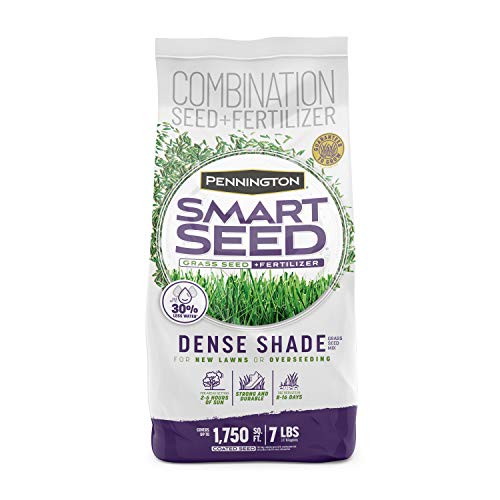
Best for: Areas with dense shade where grass growth is challenging. Why chosen: A precise mix of Tall Fescue and Fine Fescue designed to thrive in shady zones, with a fertilizer component to help lawn success. Germination generally appears within 14–21 days, depending on moisture. Caution: Shade intensity and soil quality strongly influence performance.
Jonathan Green Black Beauty Dense Shade Grass Seed — 1 lb

Best for: Lawns shaded by trees or structures where dark green, dense turf is desired. Why chosen: This shade-tolerant mix includes varieties that establish quickly and produce a rich green color. Germination typically occurs in 14–21 days and benefits from endophyte-supporting ingredients. Caution: One should expect slower growth in the deepest shade compared to sunnier patches.
Pennington Smart Seed Sun and Shade Grass Mix — 3 lb
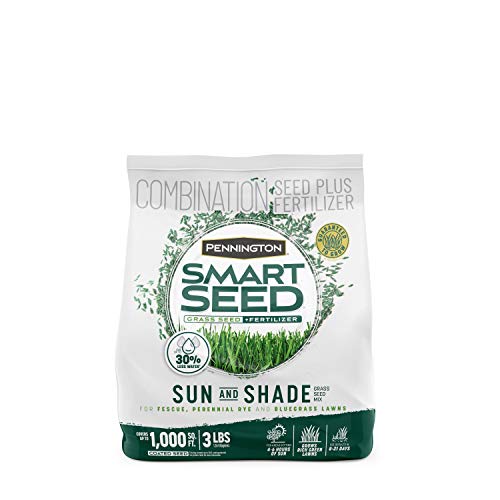
Best for: Lawns that receive sun in parts and shade in others, needing a balanced seed mix. Why chosen: Combines Tall Fescue, Perennial Ryegrass, and Kentucky Bluegrass to withstand varied light. Fertilizer is included to support initial growth. Caution: Performance varies with shade depth and irrigation; avoid overwatering in full sun patches.
Buying Guide
Key considerations when choosing shade-tolerant grass seed:
- Shade intensity: Light, partial, or deep shade requires different blends (e.g., tall fescue vs. fine fescue mixes).
- Soil preparation: Weed-free, well-aerated soil improves germination and establishment.
- Seed-to-area ratio: Larger bags cover more area but check label coverage for your yard size.
- Watering schedule: Frequent light watering supports germination; gradually reduce as roots establish.
- Maintenance expectations: Shade-tolerant grasses grow slower in deep shade but still need mowing and occasional fertilization.
- Combination products: Some blends include fertilizer or mulch to improve establishment in challenging zones.
FAQ
- What is the best grass seed for shade?
Dense shade-friendly blends often use tall fescue or fine fescues, which tolerate lower light levels better than many cool-season grasses.
- How long does shade seed take to germinate?
Germination commonly occurs within 10–21 days depending on blend and conditions.
- Should I fertilize before overseeding shade areas?
Yes, a weed-free, well-fertilized soil improves establishment; some products include fertilizer for convenience.
- Can shade grass seed repair bare spots quickly?
Yes, blends designed for shade plus proper moisture can fill bare spots within a few weeks.
- Is it better to seed in spring or fall for shade lawns?
Fall is often preferable for cool-season grasses due to cooler temperatures and natural rainfall, but select blends may be suitable for spring as well.
- What should I avoid when overseeding in shade?
Avoid compacted soil, overwatering, and high temperatures that stress newly germinated seedlings.