Answer: A pasture hay seed mix is a strategic choice for producers wanting reliable forage, improved pasture recovery, and versatile hay production. This guide highlights five dependable seed blends suited for different climates and grazing needs. The top picks span endophyte-free options for livestock safety, winter-hardy perennials for cool climates, and drought-tolerant mixtures for variable conditions. Whether you manage a small homestead or a larger operation, these selections help you choose the right mix for renewal, overseeding, or steady hay yields. Below is a quick comparison table of the chosen products to aid decision-making.
| Product | Best For | Climate/Conditions | Notes |
|---|---|---|---|
| Barenbrug SeedPasture25 | Rapid establishment, general pasture repair | Northern to transition zones | Endophyte-free, versatile) |
| Outsidepride Climax Timothy Pasture | Cool-season forage, high-quality hay | Zones 3–7 | Winter-hardy timothy |
| Mountain View 100371 Horse Pasture Mix | Over-seeding, close grazing tolerance | All regions | High forage yields |
| Outsidepride Horse Choice Pasture & Livestock | Balanced mix for grazing & hay | Widely adaptable | Includes multiple grasses for resilience |
| Outsidepride All-Purpose Pasture Seed Mix (50 lb) | Quick establishment, diverse forage | Multiple climates | Drought-tolerant, fast-growing |
Barenbrug SeedPasture25 Grass Seed

Features include rapid establishment for quick pasture recovery and suitability for hay production, plus endophyte-free seed that is safe and highly digestible for all classes of livestock. Best for northern and transition climate zones where reliable regrowth after grazing is essential. It is a strong option when the goal is fast reseeding after drought or damage. A noted limitation is that performance can vary with soil conditions and weather patterns, so soil prep and timely seeding are important.
Outsidepride Climax Timothy Pasture Seed

Best for cool-season pastures, this timothy blend grows in USDA Zones 3–7 and supports late-spring grazing and hay harvest. It delivers high-yield, nutrient-dense forage and is relatively easy to grow. It’s well-suited for winter-hardiness and stable pasture supply, though it may require careful management in very hot or drought-prone summers.
Mountain View Seeds 100371 Horse Pasture Mix
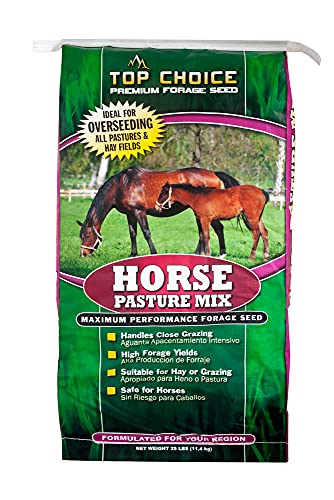
Designed to support over-seeding and tolerate close grazing, this mix emphasizes high forage yields and balanced pasture composition. It’s a practical choice for improving established pastures, maintaining dense cover, and extending grazing seasons. Best for producers seeking a reliable blend that can adapt to different grazing pressures, though exact results depend on soil health and moisture availability.
Outsidepride Horse Choice Pasture & Livestock Mix
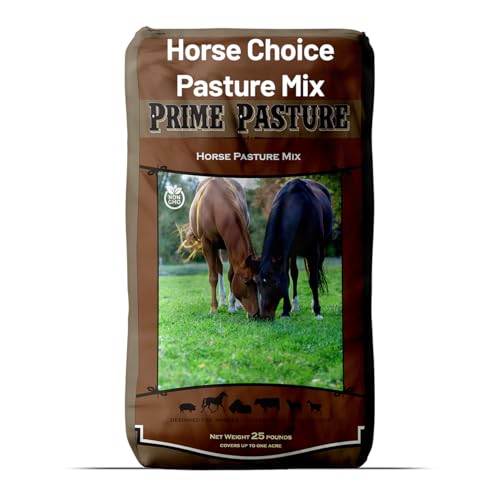
This mix combines orchard grass, timothy, fescue, and Italian ryegrass to provide high-yield grazing and forage for hay production. It’s designed for drought tolerance and cold hardiness, making it versatile across USDA zones 3–10. Choose this if you want a balanced, resilient pasture that supports varied livestock. A potential limitation is that some components may crowd faster-growing species, requiring mowing or rotation to maintain mix balance.
Outsidepride All-Purpose Pasture Seed Mix (50 lb)

Best for owners seeking a broad, nutritious forage blend with drought tolerance and fast establishment. The mix includes perennial and annual grasses plus nutrient-rich clovers to support grazing and hay production. It’s adaptable to wet or dry soils, but in extremely poor soils or shade, establishment can be slower and may require soil amendments.
Buying Guide
What should you consider when choosing a pasture hay seed mix?
- Climate and hardiness: Match the blend to your USDA zone and typical seasonal conditions. Winter-hardy varieties are preferred for long cold seasons, while drought-tolerant mixes suit arid summers.
- Pasture goals: Decide whether you prioritize quick establishment, hay yield, or continuous grazing. Some blends are better for overseeding, others for rapid ground cover.
- Grazing pressure and herbivory: If you have high traffic animals, choose endophyte-free or safe-seed varieties to minimize livestock health risks.
- Soil health and fertility: Ensure soil pH, drainage, and fertility align with grass species in the mix. Some blends tolerate poorer soils better than others.
- Maintenance needs: Consider mowing, rotation, or re-seeding plans to sustain dense, productive pastures.
Practical tips
- Prepare soil with light tilling or aeration before seeding for faster germination.
- Avoid seeding during extreme heat or freeze-prone periods; aim for optimal soil moisture.
- Use a starter fertilizer appropriate for pasture grasses to support early growth.
Product overview at a glance
- Barenbrug SeedPasture25: Rapid establishment; endophyte-free; good for northern zones.
- Outsidepride Climax Timothy: Winter-hardy timothy; ideal for cool-season forage.
- Mountain View 100371: Over-seeding-friendly; high forage yields; close grazing tolerance.
- Outsidepride Horse Choice Pasture: Balanced multi-grass mix; drought and cold hardy.
- Outsidepride All-Purpose 50 lb: Fast establishment; versatile for grazing and hay.
FAQ
- Q: Which pasture seed mix is best for cold winters? A: Timothy and winter-hardy blends, such as Outsidepride Climax Timothy Pasture Seed, are well suited for cold climates.
- Q: What mix is best for quick hay production? A: All-Purpose Pasture Seed Mix or Barenbrug SeedPasture25 offer rapid establishment and regrowth for timely hay yields.
- Q: How important is endophyte status? A: Endophyte-free seeds reduce potential livestock health risks while maintaining forage quality, especially for horses and cattle.
- Q: Can these mixes handle drought? A: Several blends include drought-tolerant grasses like tall fescue and clover; check the product features for drought tolerance specifics.
- Q: Should I overseed an existing pasture? A: Overseeding-targeted mixes like Mountain View 100371 work well for restoration and density without removing existing pastures.
- Q: How much seed should I apply? A: Follow the manufacturer’s recommended seeding rate on the product page; rates vary by species and field conditions.