Sea oats ornamental grass delivers graceful movement, year‑round texture, and shade-friendly performance. This guide highlights five top options from Amazon, tailored for shade gardens, borders, and naturalized areas. Each listing explains who it’s best for, why it stands out, and any practical limitations to consider before you buy.
Product comparison overview:
| Product | Best For | Key Benefit | Limitations |
|---|---|---|---|
| Outsidepride Northern Sea Oats — 1000 Pcs | Large-scale plantings, woodland borders | Heavy seeding, robust shade tolerance | Self-seeding may require management in strict landscapes |
| Outsidepride Northern Sea Oats — 500 Pcs | Plants in clusters, mid‑size beds | Compact option with similar foliage and seed heads | Similar care to larger seed sets; watch for density |
| Perennial Farm Marketplace Northern Sea Oats — #2 Container | Established borders, pots, partial shade | Container-ready with deep green leaves and bronze winter interest | Container growth may require extra water in dry periods |
| Northern Sea Oats — 50 Seeds (Ornamental Grass) | Starter or trial garden, budget plantings | Low entry point for testing site suitability | Seed germination varies; may require stratification |
| Generic Inland Sea Oats Grass — 200 Seeds | Budget planning, naturalized areas | Native-style option with adaptable growth | Less branded packaging; verify germination expectations |
Outsidepride Northern Sea Oats — 1000 Seeds
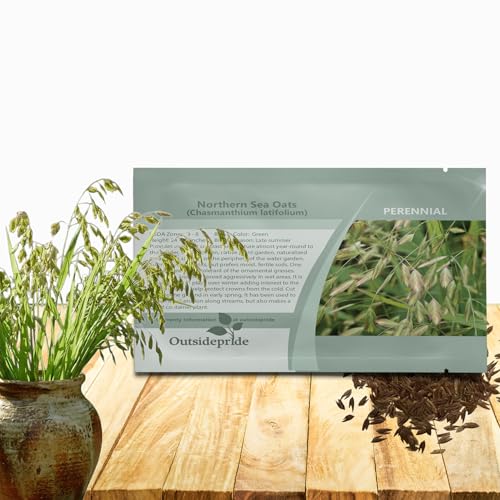
Product overview: This large pack features Chasmanthium latifolium, known as Northern Sea Oats, with elegant drooping seed heads and bright green leaves that bronze with time. It thrives in shade and moist, well-drained soils, making it suitable for shaded borders, stream banks, and naturalized areas. Seed heads add movement and texture to the landscape.
Who it’s best for: Gardeners planning extensive shade plantings and naturalized areas that benefit from high self-seeding potential. It suits landscapes where autumn color and winter interest matter.
Why chosen: The 1000‑seed lot supports big plantings and long-term coverage, with a proven combination of shade tolerance and seasonal color shift from green to bronze.
Limitations: Self-seeding can lead to spread; plan for boundary management if you don’t want aggressive expansion.
Outsidepride Northern Sea Oats — 500 Seeds
Product overview: This mid‑sized seed pack provides the same ornamental appeal as the larger option but in a more manageable quantity for smaller beds or test plots. The drooping seed heads and coppery winter foliage stay visible through the season.
Who it’s best for: Homeowners with medium‑sized shade gardens who want a cost‑effective start to a sea oats display or to create a naturalized border without overwhelming space.
Why chosen: It offers the same color palette and growth habit, with less seed mass to handle, while preserving long‑term color interest.
Limitations: Gardening success depends on the site’s moisture and shade; results may vary in drier microclimates.
Perennial Farm Marketplace Northern Sea Oats — #2 Container

Product overview: This container-grown Sea Oats is described as hardy in USDA Zones 5–9, with deep green leaves and bronze winter interest as the seed heads mature. It’s suitable for partial shade and can be used as a cut flower element within mixed borders.
Who it’s best for: Gardeners who want immediate impact in a border or container planting, with a plant that’s ready to transplant during spring or early summer.
Why chosen: The container format allows easy placement and better root establishment in limited spaces, while providing seasonal color transitions.
Limitations: Availability is subject to regional shipping restrictions and weather windows; avoid planting in extreme conditions.
Northern Sea Oats — 50 Seeds

Product overview: A smaller seed pack from Ornamental Grass (USA) focuses on cost efficiency and starter planting for new beds. The seeds represent the same species and expected growth form with drooping seed heads and green foliage that bronzes in winter.
Who it’s best for: First‑time sea oats trial gardeners or those who want to experiment with a single color‑and‑texture addition in shady areas before expanding.
Why chosen: It’s an easy entry point to assess germination and establishment in a local climate without committing to a larger seed lot.
Limitations: Germination rates can vary; some patience and proper seed preparation are typically needed for best results.
Generic Inland Sea Oats Grass — 200 Seeds
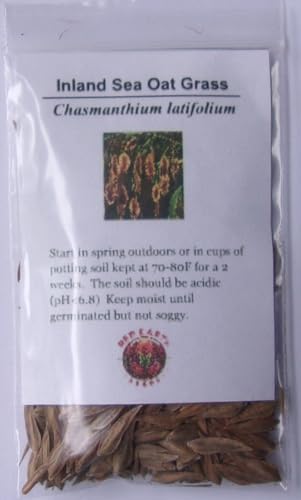
Product overview: A budget‑friendly option marketed as Inland Sea Oats, suitable for native plantings and naturalized areas. It carries the familiar oat‑like seed heads and deep green foliage that turns bronze with frost.
Who it’s best for: Budget planners looking to cover larger shaded zones or to establish native plantings with a similar aesthetic to the classic sea oats look.
Why chosen: It provides a cost‑effective pathway to scale a sea oats display across a landscape, enabling larger texture blocks and movement in shade.
Limitations: Brand and packaging can vary; verify germination expectations and supplier notes before purchase.
Buying Guide
What is sea oats ornamental grass best used for?
Northern Sea Oats adds texture, color, and movement to shade gardens. It’s well suited for borders, woodland edges, stream banks, and naturalized areas where bright sun is limited.
What growing conditions matter?
These grasses prefer shade to partial shade and moist, well‑drained soils. They tolerate poorer soils and can handle some drought once established, but consistent moisture enhances performance and seed production.
How should you space and plant?
Plant 18–30 inches apart for most garden settings to avoid overcrowding. In naturalized areas, plant closer for a denser, more dramatic effect. Mulching helps conserve moisture and suppress weeds.
Seed vs. nursery stock: which is better?
Seeds are cost‑effective for large fills and long‑term self‑seeding, while nursery stock provides immediate impact and faster establishment in limited spaces. Choose based on budget, timeline, and maintenance preference.
Maintenance and long‑term care
Sea oats are generally low maintenance. Prune back old growth in late winter or early spring before new growth emerges. Manage self‑seed spread if you need to keep areas contained.
What to watch for in shipping and planting
Weather can affect bare‑root or potted transplants; avoid extreme temperatures during shipping. Follow the supplier’s planting guide, especially when ordering in unusual seasons or regions with hard frost or heat waves.
FAQ
- Are sea oats suitable for full shade? Yes, they perform best in shade to partial shade with consistently moist soil.
- Do sea oats self‑seed aggressively? They can self‑seed, which is useful for naturalized areas but may require management in contained beds.
- Can sea oats be grown in containers? Container cultivation is possible, especially for smaller varieties; ensure adequate watering and drainage.
- When should I plant sea oats? Plant in spring after the danger of hard frost, or in early fall in milder climates to establish roots before winter.
- Will sea oats tolerate poor soils? They tolerate poorer soils but perform best with moisture and organic matter in the mix.
- How do I maintain winter interest? The leaves bronze and seed heads persist, providing color and texture well into winter in many climates.