Duckweed control in lagoons is essential for maintaining clear water, preventing oxygen swings, and protecting aquatic life. This guide highlights effective approaches and selects five practical products that target duckweed and other submerged weeds. The recommendations are tailored for pond managers, homeowners with decorative lagoons, and small-scale water features seeking straightforward, low-maintenance solutions. Each product section explains who it’s best for, why it’s chosen, and important considerations to help you compare options quickly.
| Product | Best For | Size | Notes |
|---|---|---|---|
| Airmax EasyKlear Pond & Lake Algae & Weed Vegetation Control (15 lb) | Residential ponds with mixed algae and submerged weeds | 15 pounds | Granular, sinks to weeds; fast-acting |
| Sonar RTU (Ready-to-Use) Aquatic Herbicide (1 Quart) | Ponds requiring simple, no-mix weed control | 1 quart | Systemic control, instant-use; EPA approved |
| Airmax EasyKlear Pond & Lake Algae & Weed Vegetation Control (60 lb) | Larger lagoons or ponds needing long-lasting treatment | 60 pounds | Same formula, higher quantity; practical bulk option |
| Airmax EasyKlear Pond & Lake Algae & Weed Vegetation Control (30 lb) | Medium-sized lagoons; gradual deployment | 30 pounds | Balanced size for steady treatment |
Note: The products listed here focus on broad-spectrum algae and submerged weed control, including duckweed. Selection criteria include proven effectiveness on floating and bottom-growing algae, ease of application, and applicability to residential and small commercial lagoons. Consumers should follow label directions and consult local environmental guidelines for pond treatments.
Airmax EasyKlear 15 lb: Fast-Acting Algae & Weed Control

What it is: A granular, 2-in-1 broad-spectrum aquatic herbicide and algaecide designed to tackle duckweed, bottom-growing algae, and submerged weeds. The granules sink quickly, delivering targeted control to the root zone of weeds and algae without requiring mixing. Best for smaller to mid-sized lagoons or ponds that need rapid reduction of weed mass.
Who it’s best for: Homeowners and small pond managers who want a simple, no-mess application method and fast results. It’s suitable for ponds that experience regular weed surges and want a product you can spread with a spreader.
Why it was selected: It combines broad-spectrum effectiveness with easy application and durable performance. Since it acts on contact and then persists, it helps maintain clearer water by reducing plant growth that clouds water and depletes oxygen during blooms.
Limitations or caution: This product is a broad-spectrum herbicide/algaecide. Avoid applying during periods when fish spawning or when water usage restrictions apply. Always follow the label for dosage and safety instructions and check local environmental regulations before application.
SePRO Sonar RTU Aquatic Herbicide: Simple Ready-To-Use Systemic Control

What it is: A ready-to-use, systemic herbicide designed to control duckweed and other aquatic weeds without mixing or specialized equipment. The formulation can be poured directly into the pond in the prescribed dose to achieve season-long weed suppression. It’s EPA-approved and described as safe for fish and wildlife when used as directed.
Who it’s best for: Pond owners who prefer a simple, no-fuss application and want to avoid additional tools or equipment. This is ideal for residential ponds with consistent weed challenges that may require a straightforward, single-dose approach.
Why it was selected: The ready-to-use design reduces handling complexity and the systemic action helps suppress duckweed across the water column, which can be advantageous for larger or deeper sections of a lagoon.
Limitations or caution: Do not exceed label dosage. Some water bodies may require repeat applications or alternative approaches for persistent duckweed growth. Verify compatibility with any fish populations and follow regional guidelines for pesticide use near water.
Airmax EasyKlear 60 lb: Bulk-Size Aquatic Weed Control
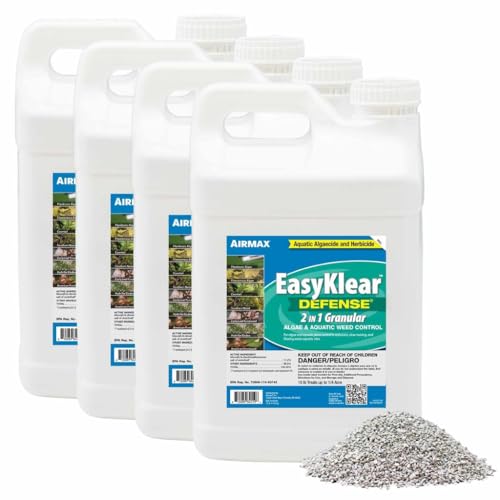
What it is: A bulk version of EasyKlear, designed for larger lagoons or commercial-scale ponds. The product uses the same broad-spectrum formula to eliminate algae and submerged weeds, with extended-lasting activity to reduce the need for frequent reapplication.
Who it’s best for: Instances where you manage larger water features or multiple smaller ponds connected to a single system. The bulk size reduces the frequency of reorders and supports longer-term weed management strategies.
Why it was selected: The larger package provides a practical option for ongoing weed suppression in bigger lagoons while preserving treatment effectiveness, especially for persistent duckweed populations in expansive water bodies.
Limitations or caution: Handling large quantities requires proper storage and adapter tools for even distribution. Follow label directions for dosage per square footage and salinity considerations if present in your lagoon.
Airmax EasyKlear 30 lb: Balanced Lagoon Solution

What it is: A mid-sized option designed for medium lagoons and ponds needing steady, long-term weed control. The formulation targets both algae and duckweed, helping to prevent rapid regrowth after initial treatment.
Who it’s best for: Lagoon owners seeking a balanced approach with a reliable, ongoing program. This size is convenient for seasonal maintenance plans or staggered treatments to manage water clarity throughout warm months.
Why it was selected: It offers flexibility for homeowners who want a steady, predictable treatment cadence without stepping up to bulk quantities. It supports gradual suppression of floating and submerged weeds while maintaining water quality.
Limitations or caution: As with other granular products, even distribution is important. Avoid applying during periods of heavy rain or runoff that could wash product away from target zones, and always adhere to label guidelines.
Buying Guide: Duckweed Control In Lagoons
Key considerations when choosing a duckweed control product for lagoons include size of the water body, ease of application, impact on non-target species, and regulatory requirements. Below are practical questions to help compare options and align them with your lagoon management goals.
- What is the size and depth of your lagoon? Larger lagoons may benefit from bulk options or repetitive, low-dose applications to maintain weed suppression over time.
- Do you prefer ready-to-use formulations or granular products that require a spreader? Ready-to-use products reduce handling steps, while granular options can be more cost-efficient for large areas.
- Are you managing fish, pets, or wildlife in or around the water? Look for EPA-approved or fish-safe labels and understand any restrictions for your aquatic life.
- Is there a risk of runoff or rain events washing product away? Consider application timing and protective measures to maximize effectiveness and minimize environmental impact.
- Do you need a long-season solution or a short-term treatment to clear water before an event or inspection? Systemic formulations may provide longer suppression, while contact options offer rapid knockdown.
Practical Tips for Effective Duckweed Management
- Apply products when water levels are stable and weather conditions are calm to prevent drift and improve target contact.
- Follow label directions for dosage based on pond area and water volume. Over-application can harm non-target organisms.
- Combine approaches when duckweed persists—start with a broad-spectrum approach and consider targeted follow-up or physical removal of dead plant material.
- Regularly monitor water clarity, dissolved oxygen, and weed regrowth to adjust treatment schedules as seasons change.
FAQ for Duckweed Control in Lagoons
- What is duckweed and why is it a problem in lagoons? Duckweed floats on the surface, shading deeper water and competing for nutrients, which can harm submerged plants and fish habitats.
- Can I use the same product for duckweed as for algae? Many products target both algae and duckweed, but check label specifications to ensure broad-spectrum control.
- Do these products harm fish or wildlife? Most products are designed to be fish-safe when used as directed, but always follow label instructions and local regulations.
- How often should I reapply treatments? It depends on the product and lagoon conditions. Follow label guidance and monitor weed regrowth to determine timing.
- Is manual removal beneficial alongside chemical treatments? Yes, removing dead plant material can improve water circulation and reduce fouling while chemicals work to prevent regrowth.
- Are there environmental concerns with duckweed control? Consider the lagoon’s overall ecosystem, potential impacts on nutrient cycles, and local watershed guidelines before treatment.