If you’re fighting blossom end rot, the key is supplying calcium where your plants need it most. This guide highlights the most effective calcium sprays and liquid supplements for preventing blossom end rot in tomatoes and other calcium-sensitive garden crops. It’s ideal for home gardeners, greenhouse stewards, and outdoor planners who want quick-acting fixes and practical application guidance. The following table provides a quick snapshot of the chosen products and their core advantages.
| Product | Brand | Best For | Key Benefit |
|---|---|---|---|
| Bonide Rot-Stop Tomato Blossom End Rot, 16 oz | Bonide | Home gardens with indoor/outdoor tomatoes | Calcium deficiency correction with calcium chloride-based plant food |
| Bonide Rot-Stop Tomato Blossom End Rot, 32 oz | Bonide | Large tomato patches and continued care | Ready-to-use spray, calcium delivery for multiple plants |
| Southern Ag Stop Blossom-End Rot of Tomatoes, 32 oz | Southern Ag | Gardens prone to calcium-related blossom end rot | Targeted calcium deficiency prevention and correction |
| Bloom City Professional Grade Ultra Pure Cal-Mag Growing Fertilizer, Quart | Bloom City | All types of indoor/outdoor setups including hydroponics | Calcium and magnesium for strong stems and vibrant leaves |
| Cz Garden Calcium Nitrate 15.5-0-0, 5 lb | Cz Garden Supply | Hydroponics, greenhouse, and soil gardens needing calcium & nitrogen | Water-soluble calcium nitrate for rapid calcium and nitrogen delivery |
Bonide Rot-Stop Tomato Blossom End Rot, 16 oz
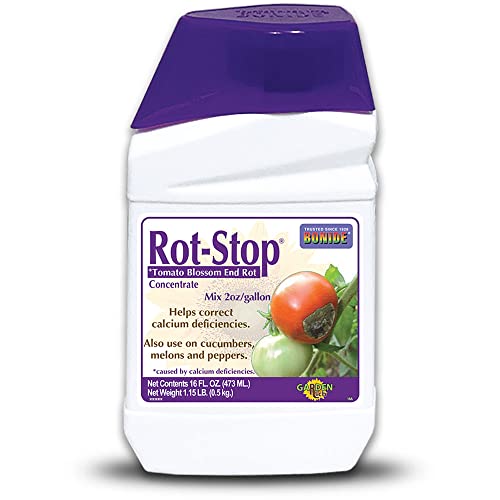
Best for smaller tomato patches and home gardens, this 16 oz concentrate is designed to correct calcium deficiency by delivering calcium chloride-based nutrients to the plant. It’s suited for indoor and outdoor use and can also address calcium gaps in cucumbers, melons, and peppers. Choose this if you want a budget-friendly starter option that’s easy to mix and store. Caution: dilution accuracy matters for consistent results across larger plantings.
Who it’s best for
- Home gardeners with a few tomato plants
- Proactive growers dealing with early blossom-end rot signs
Why selected
- Direct calcium delivery targets blossom end rot symptoms
- Versatile for other calcium-sensitive crops
Limitations
- Concentrate requires accurate mixing for uniform distribution
Bonide Rot-Stop Tomato Blossom End Rot, 32 oz

This ready-to-use spray is ideal for larger tomato plantings or ongoing care in home gardens. It provides nutritional calcium via calcium chloride as the primary active ingredient, helping curb blossom end rot by strengthening cell walls and improving calcium availability in the plant. Best for gardeners who want quick, on-contact action without mixing.
Who it’s best for
- Gardeners with large tomato rows or edging plantings
- Anyone preferring a spray-without-dilution approach
Why selected
- Direct foliar and root uptake support
- Useful across cucumbers, melons, and peppers as a fallback calcium source
Limitations
- Spray timing matters; apply during calm, dry conditions to avoid run-off
Southern Ag Stop Blossom-End Rot of Tomatoes, 32oz
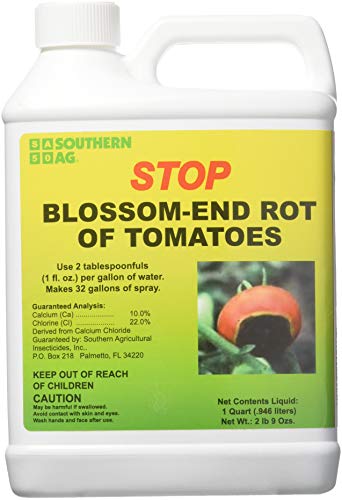
This 32-ounce formula focuses on preventing and correcting blossom end rot by supplying calcium where it’s needed. It’s appropriate for home gardens with multiple plants and can be used preventatively or as a corrective measure. Best for gardeners who want a dedicated product to prevent calcium-related issues as part of routine feeding.
Who it’s best for
- Gardeners growing several tomato plants in soil or containers
- Those seeking a straightforward, preventative spray schedule
Why selected
- Targeted approach to blossom end rot prevention
- Clear labeling on calcium-focused treatment
Limitations
- Labeling may not specify exact dilution for all plant types; follow product directions carefully
Bloom City Ultra Pure Cal-Mag Growing Fertilizer, Quart

Best for growers needing a versatile Cal-Mag solution that supports overall plant strength, this quart-size Cal-Mag fertilizer is suitable for indoor, outdoor, and hydroponic setups. It combines calcium and magnesium to help with sturdy stems and vibrant foliage, making it a reliable choice for tomatoes and a wide range of garden plants. Choose this when you want a balanced nutrient boost that supports multiple growth stages.
Who it’s best for
- Indoor houseplant setups and multi-plant home gardens
- Growers implementing hydroponics or soil-based systems alike
Why selected
- Calcium and magnesium synergy promotes stronger plant structure
- Simple mixing, broad plant compatibility
Limitations
- Not a dedicated blossom-end-rot spray; best used as part of a comprehensive feeding program
Cz Garden Calcium Nitrate 15.5-0-0, 5 lb

Best for greenhouse-grade calcium and nitrogen delivery, this water-soluble formula supports green leafy growth and sturdy plant structure. It’s especially useful in hydroponic setups or soil gardens where rapid calcium uptake is desired alongside nitrogen. Consider this if you need a highly available nutrient source for consistent feeding across crops, not just tomatoes.
Who it’s best for
- Hydroponic growers and greenhouse managers
- Gardeners needing quick calcium availability with nitrogen support
Why selected
- High solubility ensures fast uptake
- Strong calcium plus nitrogen formulation supports overall growth
Limitations
- Should be used with care to avoid excessive nitrogen in sensitive crops
Buying Guide: Calcium For Blossom End Rot — What To Consider
What causes blossom end rot and how calcium helps
Blossom end rot is often linked to calcium imbalance or insufficient calcium transport to developing fruit. Calcium sprays and calcium-rich fertilizers help improve calcium availability in the plant’s tissues, supporting healthier fruit development. Look for products labeled specifically for blossom end rot or containing calcium chloride, calcium nitrate, or Cal-Mag blends for balanced delivery.
Application methods: spray vs. soil/root feeding
Sprays offer rapid foliar calcium delivery, beneficial for urgent symptoms or plants with uptake issues. Soil or root feeding provides sustained calcium supply. For best results, use a combination: a preventative soil/feed program plus targeted foliar sprays during fruit set or when rot signs appear.
What to look for on labels
- Active ingredient: calcium chloride, calcium nitrate, or Cal-Mag blends
- Recommended dilution and application frequency
- Compatibility with fruit-bearing plants (tomatoes, peppers, cucumbers, melons)
- Suitability for indoor, outdoor, or hydroponic systems
How to time applications for best results
Apply preventatively at fruit set and continue on a schedule during hot, dry periods when calcium transport can lag. If blossom end rot symptoms appear, apply as a targeted spray per product directions and adjust soil feeding to maintain consistent calcium availability over several weeks.
Safety and storage tips
- Wear gloves and eye protection when handling concentrates
- Store in a cool, dry place away from children and pets
- Label directions should be followed precisely to avoid leaf burn or nutrient imbalance
FAQ
- What is blossom end rot and can calcium spray fix it?
Blossom end rot is a calcium-related issue in developing fruit. Calcium sprays help improve calcium availability; however, consistent soil nutrition and watering practices are also important.
- Should I use calcium sprays on all plants?
Calcium sprays are most beneficial for calcium-sensitive crops like tomatoes, peppers, cucumbers, and melons. Use as directed and avoid unnecessary application on non-affected plants.
- Is calcium nitrate better than calcium chloride for blossom end rot?
Calcium nitrate provides both calcium and nitrogen, supporting growth, while calcium chloride focuses on calcium delivery. Choice depends on your crop needs and existing nutrient plan.
- Can I combine Cal-Mag with other fertilizers?
Yes, but follow label instructions to avoid nutrient imbalances. Start with a base feeding plan and integrate Cal-Mag as a supplement if deficiencies persist.
- How often should I apply calcium products?
Application frequency depends on product directions, plant type, and growth stage. Typical schedules range from weekly to every two weeks during fruit development.