Yes—these concrete paver molds help you create durable, decorative walkways without professional help. This guide highlights five popular options, who they’re best for, and how to choose the right mold set for your project. The table below summarizes the five selected products and their key points to compare at a glance.
| Product | Best For | Texture/Size | Notes |
|---|---|---|---|
| SvitMolds Concrete Molds DIY Sold 6 Pcs | DIYers seeking flagstone texture with decent coverage | 6 molds, 0.37 sq m area, 38 mm thick | ABS plastic; multiple textures |
| Walk Maker Pathmate Big Size | Large, decorative path designs for patios or lawns | 16.9 x 16.9 x 1.6 inches each | Easy to use; long-lasting; reusable |
| Betonex 6 Pcs Flagstone Molds | Budget-friendly flagstone paths and garden walkways | 6 textures, 0.37 sq m area | Reusable; straightforward DIY |
| VanSmaGo 2 Packs Walk Maker | Two-pack option for wider paths or layered designs | 16.9 x 16.9 x 1.6 inches each | DIY-friendly; durable plastic |
| Concrete Molds and Forms 4 Packs | Compact, four-tile set for stepping stones | 13 x 13 x 1.4 inches each | Easy to use; reusable |
SvitMolds Concrete Molds DIY Sold 6 Pcs
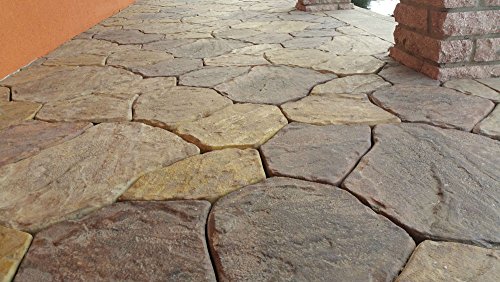
Best for homeowners who want a flagstone look with varied textures. The set includes six molds with different textures to create a stone-paver effect across a garden path or patio. The area covered is about 0.37 square meters, with a mold thickness around 38 mm (1.5 inches). Constructed from ABS plastic, these molds are reusable and designed for DIY use. Caution: wall thickness can vary slightly with mold geometry, so final tile dimensions may differ marginally from listed values.
Who this is for: DIYers seeking a quick, decorative path with natural variation. Why chosen: combines multiple textures for a more realistic flagstone effect and a manageable area per pour.
Walk Maker Pathmate Big Size

Best for expansive pathways and standout yard features. This big-size pathway board helps create blocks that resemble stone pavers, giving a distinctive, exotic look to garden paths. Made of sturdy plastic, it’s designed for repeated use—easy to rinse with water after each project. Best for hobbyists who want a durable, reusable solution and a layout that reads as a continuous stone-like path. Limitation: larger modules require enough working space; manage pour timing to avoid misalignment.
Who this is for: DIY enthusiasts building wider, decorative walkways. Why chosen: large, easy-to-handle panels that yield a dramatic, stone-like effect without complex steps.
Betonex 6 Pcs Flagstone Molds
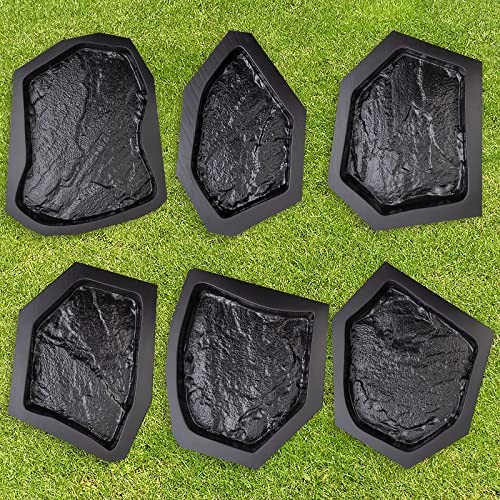
Best for versatile flagstone pathways with a DIY approach. The set includes six reusable molds designed to form a flagstone look for garden walkways and stepping paths. Each mold supports multiple textures, and the total area covered is about 0.37 square meters. The molds are easy to use and repeatedly reusable, making them a practical choice for ongoing projects. Caution: some texture details may require careful alignment to maintain uniformity across tiles.
Who this is for: Budget-conscious gardeners who value texture variety. Why chosen: strong flagstone aesthetic with durable, reusable molds that support many tiles.
VanSmaGo 2 Packs Walk Maker
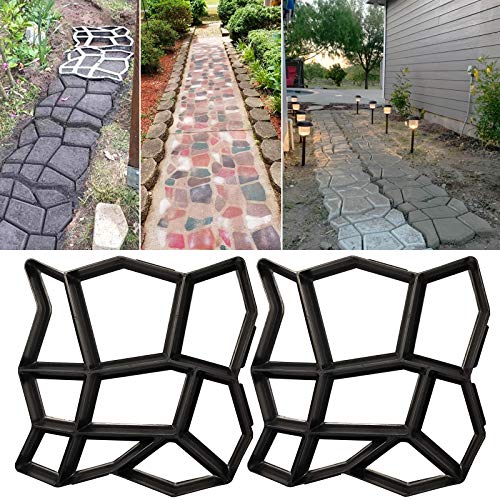
Best for adding flexibility with two-pack options to extend path width or create layered designs. Each pack includes two large panels (16.9 x 16.9 inches) designed for easy DIY installation. Plastic construction supports durability and reuse, with straightforward cleaning after use. Caution: ensure adequate workspace when aligning multiple panels to maintain even spacing and pattern continuity.
Who this is for: Homeowners planning longer or wider walkways. Why chosen: two-pack option provides more creativity and scaling potential than a single-mold set.
Concrete Molds And Forms 4 Packs

Best for compact stepping-stone projects and smaller patio accents. This four-pack set offers 13 x 13 x 1.4 inch tiles suitable for stepping stones and small garden paths. Built for DIY use, the boards are easy to handle and reusable, delivering a simple way to introduce charming concrete accents to your landscape. Caution: tile size may require more joints for larger designs, depending on layout and spacing.
Who this is for: Gardeners seeking an economical, modular stepping-stone solution. Why chosen: compact tile size and ease of use facilitate quick, decorative path-building.
Buying Guide: Key Considerations For Choosing Concrete Paver Molds
- Project size and layout: For long, continuous paths, consider larger panels (16.9 x 16.9 inches) to minimize joints. For stepping-stone style gardens, smaller tiles (13 x 13 inches) work well.
- Texture variety: Molds with multiple textures help mimic natural stone more convincingly. If you want a uniform look, choose sets with a single texture.
- Material durability: Most molds are made from ABS or polypropylene. Reusability and cleaning ease are important for long-term projects.
- Area coverage per mold: Check the total area each mold covers to estimate the number of pours needed for your project. Some sets cover around 0.37 square meters per mold set.
- Ease of use: Look for user-friendly features such as stackable molds, simple release, and clear guidance on curing times and pour consistency.
- Maintenance: Reusable molds benefit from quick washing with water. Avoid molds that require special cleaners that add to project costs.
- Storage and portability: If you have limited space, consider a compact set with foldable or nestable designs.
Frequently Asked Questions
- What is the typical thickness of concrete paver molds? — Many molds range from about 1.2 inches to 1.5 inches (30–38 mm), which yields standard stepping-stone or paver profiles for outdoor paths.
- Are these molds suitable for outdoor use with concrete mix?
— Yes, they are designed for outdoor paving with common concrete mixes; ensure proper curing and sealing after installation. - How many tiles will I need for a 10-foot by 10-foot path?
— It depends on the tile size. For example, 13 x 13 inch tiles yield roughly 2.3 tiles per square foot, so a 100 square foot area would need about 230 tiles, plus alignment considerations. - Can I mix textures within the same path?
— Yes. Mixing textures can enhance visual interest, but plan your layout to maintain a cohesive pattern. - Do these molds require special release agents?
— Most sets rely on simple release techniques, like water or light oil spray; consult manufacturer guidance for specifics. - How many times can these molds be reused?
— Reusability is a key feature; with proper care and cleaning after each use, most sets are designed for many pours.