Answering the needs of professional-grade irrigation setups, this guide highlights durable, field-ready sprinkler valves ideal for commercial and larger residential systems. The featured products fit a range of installations—from above-ground anti-siphon models to inline, below-ground valves. Best for contractors, groundskeepers, and facility managers seeking dependable flow control, each option offers clear benefits in durability, compatibility, and ease of use. The following summary table helps you compare key choices at a glance.
| Product | |||
|---|---|---|---|
| Rain Bird DASASVF075 | Anti-Siphon Valve | 3/4″ Female x Female | Above-ground installations, manual or automatic control |
| Rain Bird DASASVF100 | Anti-Siphon Valve | 1″ Female x Female | Above-ground setups needing robust flow control |
| Rain Bird CP100 | In-Line Automatic Valve | 1″ Female x Female | Below-ground installations, concealed operation |
| Rain Bird 200-PEB | Commercial Electric Control Valve | Inline (Valve body specific) | Globe configuration with flow control in commercial systems |
| Rain Bird CP075 | In-Line Automatic Valve | 3/4″ Female x Female | Residential/light commercial, below-ground efficiency |
Notes: All products listed are designed for compatibility with standard sprinkler timers and irrigation layouts. Selection should consider installation location (above ground vs. below ground), desired flow control, and whether anti-siphon features are necessary for backflow prevention in your jurisdiction.
Rain Bird DASASVF075 Professional Anti-Siphon Valve
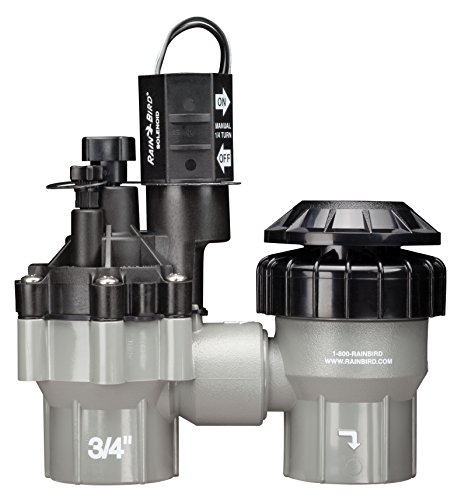
The Rain Bird DASASVF075 is a professional-grade anti-siphon valve with flow control designed for above-ground installations. It is compatible with standard sprinkler timers and provides automatic or manual operation via a bleed screw. Best for sites where backflow prevention is a priority and headroom allows above-ground placement. Choose this if you need reliable anti-siphon protection without burying the valve, but plan for six inches of clearance above the highest sprinkler head to prevent backflow.
Who it’s best for: Contractors and facility managers managing above-ground irrigation zones where backflow risk exists and quick access is beneficial. Limitation: Not ideal for underground or buried setups where anti-siphon requirements differ or where cosmetic considerations favor concealment.
Rain Bird DASASVF100 Professional Anti-Siphon Valve

The 1″ version adds greater flow capacity while retaining the anti-siphon design and manual bleed screw. It mirrors the DASASVF075’s above-ground suitability and timer compatibility, making it a solid choice for larger zones or campuses with similar backflow concerns. Best for larger irrigation zones where higher flow and serviceability matter. Caution: Ensure your above-ground mounting location remains accessible for maintenance and does not violate local codes on above-ground components.
Who it’s best for: Large property managers and irrigation pros needing scalable anti-siphon performance. Better for: Systems expanding beyond small patches where 3/4″ valves may bottleneck flow. Avoid if: Below-ground concealment is required or local codes restrict above-ground installations.
Rain Bird CP100 In-Line Automatic Valve
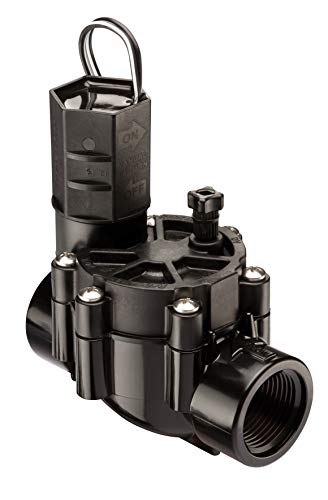
The CP100 is a residential/light commercial in-line valve designed for below-ground installations out of sight. It works with standard sprinkler timers and provides reliable automatic control. Best for projects where discreet installation is essential and the valve needs to blend with landscape or soil. Limitation: Not ideal for above-ground mounting or exposed conditions where physical damage risk is higher.
Who it’s best for: Landscape managers and installers prioritizing a concealed, standard-inlet/outlet valve. Choose this if you want a low-profile option that still delivers dependable automatic operation. Avoid if: You require above-ground accessibility or anti-siphon features in high-backflow scenarios.
Rain Bird 200-PEB 2″ Commercial Electric Control Valve
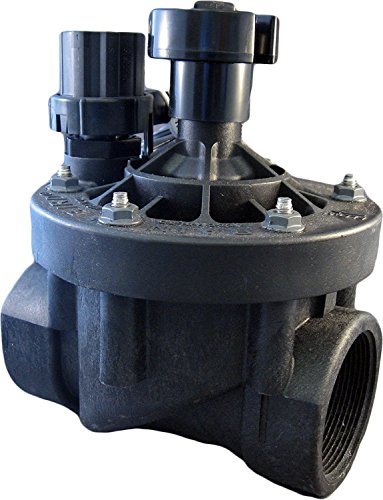
The 200-PEB is a commercial electric control valve with a globe configuration and a notable holding current. It features flow control to adjust water delivery as needed, supporting larger landscapes and complex zones. Best for multi-zone commercial sites where precise management of water flow is critical. Caution: Electrical compatibility and wiring installation should be performed by qualified personnel to ensure proper timing and safety.
Who it’s best for: Commercial irrigation systems needing robust flow control and dependable duty in a globe-style valve. Better for: Facilities with centralized irrigation management that requires adjustable flow. Avoid if: You need a compact inline valve for small residential setups.
Rain Bird CP075 In-Line Automatic Valve

The CP075 is a compact 3/4″ in-line valve suitable for residential and light commercial use. It supports below-ground installation and works with standard timers, offering a practical balance of size and performance. Best for small to mid-size zones where a discreet, efficient valve is sufficient. Caution: May not provide enough flow for very large or high-demand zones; consider larger 1″ or 2″ options if needed.
Who it’s best for: Installers focusing on compact, discreet systems with straightforward automation. Choose this if you want a reliable, low-profile valve. Avoid if: Your site’s demands require higher flow rates or anti-siphon features beyond basic inline operation.
Buying Guide: Key Considerations For Commercial-Grade Sprinkler Valves
- Installation location: Above-ground valves are easier to access for maintenance but can be visually intrusive. Below-ground valves stay out of sight but require trenching and proper sealing.
- Flow control needs: Anti-siphon valves provide backflow prevention, critical for many commercial sites. Inline valves with adjustable flow help tailor watering to zones and plant material.
- Connection standards: Most valves use standard 3/4″ or 1″ female threadings. Confirm compatibility with your piping (PVC or copper) and timer compatibility.
- Power and wiring: Electric control valves require a timer or controller with sufficient voltage and compatible solenoids. Verify voltage (often 24V AC) and wiring requirements before installation.
- Operating environment: Outdoor, all-weather performance matters. Consider UV resistance, exposure to elements, and access for replacement parts or bleed screws.
- Code and backflow requirements: Some jurisdictions require anti-siphon devices or specific installation heights. Check local regulations before choosing a model.
- Maintenance and durability: Look for durable diaphragms, robust housings, and available parts. A longer service life reduces total cost of ownership on large sites.
Frequently Asked Questions
- What is the difference between an anti-siphon valve and an inline valve?
– Anti-siphon valves prevent backflow and are typically installed above ground in zones with potential siphoning. Inline valves control flow within buried lines and may not inherently prevent backflow. - Do I need a professional to install commercial sprinkler valves?
– For commercial or large residential systems, professional installation ensures correct sizing, wiring, backflow requirements, and code compliance. - Which valve is best for above-ground installations?
– Anti-siphon models (like the Rain Bird DASASVF series) are often preferred when above-ground mounting is required and backflow prevention is a priority. - Can I mix valve types in one system?
– Yes, many systems use anti-siphon valves in zones near buildings and inline valves for below-ground, buried zones. Ensure timer compatibility and proper zoning. - What maintenance does a commercial-grade valve require?
– Regular checks for leaks, bleed screw operation, solenoid function, and ensuring that valves open and close fully during test cycles. - How do I choose between 3/4″ and 1″ valves?
– Consider zone demand, total head loss, and the required flow. Larger zones and higher flow rates benefit from 1″ valves to minimize pressure loss.