Reblooming daylilies are a smart choice for zone 5 gardens seeking long-lasting color from late spring through summer. This guide highlights five reliable options that perform well in USDA Zone 5, offering repeat blooms, hardiness, and easy care. Whether you’re planting borders, containers, or a cottage garden, these selections suit different gardeners—from beginners to seasoned landscapers. The table below compares each highlighted product to help you decide which is best for your space.
| Product | Best For | Bloom Season | |
|---|---|---|---|
| 5 Yellow Daylily Bulbs | Colorful mass plantings | Summer into fall | Hardy perennial; zones 3-9 |
| Earlybird Cardinal Daylily | Long summer display | Mid-June onward | Large blooms; easy to grow |
| Blackberries and Cream Daylily | Focal point in borders | Summer | Fragrant, tall flowers |
| Stella De Oro Daylily | Border edging and containers | Extended season | Low maintenance; abundant blooms |
| Coral Pink Melinda Daylily | Soft color accents | Summer into fall | Hardy to zone 3; easy care |
5 Yellow Daylily Bulbs for Planting

Best for: Gardeners seeking a budget-friendly start to a bright yellow display with reliable reblooming habit. These bulbs are described as hardy perennials that thrive in zones 3-9 and return year after year. Use for mass planting along a border or in a sunny bed for maximum impact. The bulbs’ yellow blooms offer a cheerful focal point when paired with purples or blues in late spring through fall.
Why chosen: This option provides a quick route to a sunny, long-lasting yellow display with a straightforward planting approach. It suits new gardeners who want a predictable perennial structure without extra maintenance.
Caution: Bulb size and exact bloom timing can vary by climate and soil conditions; ensure well-drained soil and full sun for best performance.
Earlybird Cardinal Reblooming Daylily

Best for: Gardeners who want a long blooming period with a mid-to-late summer start. This ready-to-plant bulb is described as a long blooming perennial, producing large blooms (up to 4 inches) and attracting butterflies and hummingbirds. It’s a strong choice for sunny borders or mixed perennial beds.
Why chosen: The description emphasizes a sustained summer display and ease of growth, making it a dependable option for zones 5 through 9 if you want to extend color into late summer.
Caution: As with many daylilies, bloom duration can be affected by heat and soil moisture; ensure consistent watering during peak heat to maintain performance.
Blackberries and Cream Daylily
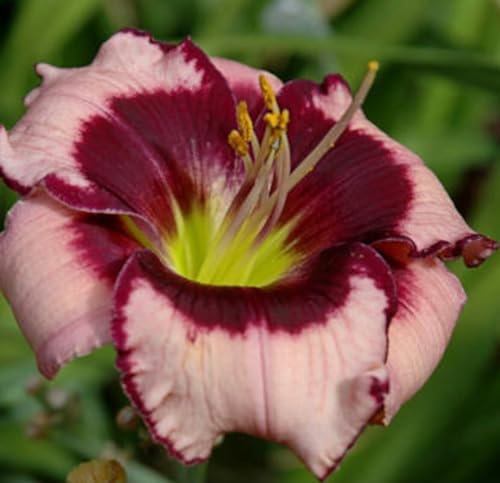
Best for: Gardener seeking a dramatic focal point with eye-catching two-tone petals. This daylily is described as an ideal centerpiece due to its tall height and abundant summer blooms, suitable for mid-border planting in sunny locations.
Why chosen: Its tall stature and distinctive color profile can anchor a landscape, offering visual interest and fragrance if grown in conducive conditions.
Caution: The data highlights height and bloom abundance; ensure there is enough space to avoid crowding shorter perennials and to allow good air circulation.
Stella De Oro Daylily

Best for: Garden borders, containers, and mass plantings needing continuous color. Stella De Oro is famous for its long-running bloom cycle and low-maintenance nature, thriving in full sun or partial shade.
Why chosen: This cultivar’s reputation for uninterrupted yellow blooms makes it a reliable staple for zone 5 gardens seeking minimal fuss with maximum color payoff.
Caution: It can spread over time; plan containment by edging or periodic division to maintain desired shape and prevent crowding of adjacent plants.
Coral Pink Melinda Daylily

Best for: Garden borders and landscapes needing a gentle pink accent in summer. Coral Pink Melinda is a hardy zone 3 perennial, good for colder zones within zone 5 climates and beyond.
Why chosen: Its soft coral-pink blooms offer a delicate contrast to yellows and reds, expanding color palettes in mixed borders. Easy maintenance supports consistent flowering with minimal effort.
Caution: The pink tone may fade slightly as blooms age; pair with stronger colors to maintain visual balance through the season.
Buying Guide
What should you consider when choosing reblooming daylilies for zone 5?
- Climate resilience: Look for perennials specifically described as hardy to USDA Zone 5 or lower. This reduces winter die-off risk and supports reliable spring rebound.
- Bloom longevity and repeat blooming: Choose cultivars noted for multiple bloom cycles through summer. Breathing room between flowering periods helps maintain garden color.
- Sun exposure: Most daylilies need full sun for best bloom; some tolerate partial shade. Match site conditions to the cultivar’s requirements.
- Soil and drainage: Daylilies prefer well-drained soil. Improve heavy soils with organic matter to prevent root rot and promote robust root systems.
- Space and height: Consider mature plant height and spread. Taller varieties work as focal points; compact types suit borders and containers.
- Watering needs: Establish a steady watering routine during establishment and dry spells, especially in hot midsummer months.
- Maintenance: Most daylilies are low-maintenance, but occasional division every 3-4 years helps maintain vigor and prevent overcrowding.
Frequently Asked Questions
- Do reblooming daylilies do well in zone 5 winters?
Yes. Most reblooming daylilies are described as hardy across zones that include zone 5, with robust cold tolerance and reliable return in spring.
- What is the best sun exposure for daylilies?
Full sun (at least 6 hours of direct sunlight per day) yields the brightest blooms and longest-lasting color, though some varieties tolerate light shade.
- How often should I water daylilies after planting?
Water deeply at planting, then provide regular moisture during the first growing season. After establishment, water during prolonged dry periods.
- Can daylilies be divided to control spread?
Yes. Dividing every 3-4 years helps maintain vigor, expands plantings, and prevents overcrowding in borders.
- Are daylilies deer-resistant?
Some cultivars show partial resistance, but recommendations vary. If you have deer pressure, select well-known deer-resistant varieties and use protective garden practices.
- Which daylily is best for a focal point?
Longer-stemmed or taller cultivars like Blackberries and Cream or Earlybird Cardinal can serve as dramatic focal points in borders and beds.