Answer: For deck projects, choose products that combine water resistance, rot and insect protection, and UV stability. The following selections cover copper-based preservatives, penetrating sealers, eco-friendly treatments, oil-based finishes, and all-in-one stain-sealer options. These are suitable for untreated, pressure-treated, or exposed outdoor wood and are chosen for longevity, ease of application, and performance in common American outdoor conditions.
The top five products below are well-suited for different deck scenarios:
Quick Reference: Top Picks
- Wolman 1904A Woodlife CopperCoat Green: Best for termite and rot protection on exterior wood.
- Seal-Once Marine Penetrating Wood Sealer: Best for high-moisture areas and marine-adjacent decks.
- Valhalla Wood Preservatives 1-Gallon: Best for eco-friendly, non-toxic long-term wood treatment.
- Wolman 14396 F&P Oil-Based Wood Finish: Best for rich oil finish and deep penetration.
- Tenino Copper Naphthenate 17%: Best for code-compliant copper-based protection, especially on end-cuts.
Product comparisons
| Product | Best For | Key Benefit |
|---|---|---|
| Wolman 1904A WOODLIFE CopperCoat Green Wood Preservative | Exterior untreated or pressure-treated wood | Termite and rot protection with a transparent green finish |
| SEAL-ONCE MARINE – 1 Gallon | High-moisture, marine-adjacent decks | Water-based, ultra-low VOC, UV-stable sealant and stain |
| Valhalla Wood Preservatives 1-Gallon | Eco-conscious projects, long-lasting treatment | Non-toxic, natural-ingredient penetration for permanent modification |
| Wolman 14396 F&P Oil-Based Wood Finish | New or weathered wood requiring deep oil finish | Deep-penetrating, long-lasting oil finish with weather resistance |
| Tenino Copper Naphthenate 17% | Code-compliant copper-based protection on end-cuts | High copper concentration, meets standard requirements |
Wolman 1904A Woodlife CopperCoat Green Preservative
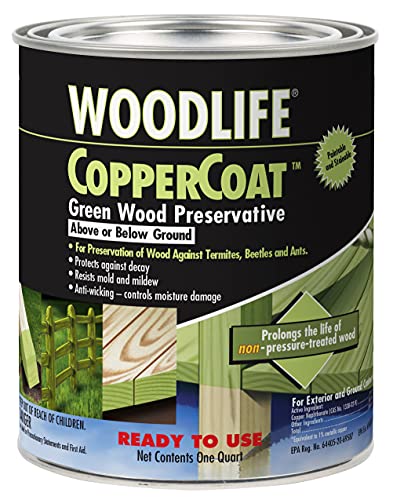
Features: EPA-registered, insecticidal exterior wood preservative protects against termites and other wood-boring insects, plus rot and decay. Transparent, natural green color. Designed to protect exterior untreated or pressure-treated wood in below ground, ground contact, fresh water contact, or above ground installations.
Best for: Homeowners seeking robust insect and decay protection for exterior decks, particularly where ground contact or moisture exposure is a concern. Choose this if you want a visible yet natural-looking finish that also guards against pests.
Caution: The green tint may alter appearance on very light or pale woods. Ensure proper surface preparation for optimal penetration.
Seal-Once Marine – Penetrating Wood Sealer

Features: Marine-grade sealant with a water-based, ultra-low VOC formula. UV-stable coating for protection against sun, salt spray, and water damage. Suitable for outdoor furniture, thermally modified wood, and boat docks. Provides a water-resistant shield at the cellular level to preserve natural color. Also noted as safe for use over open water and non-hazardous to aquatic life.
Best for: Decks in coastal or river environments and any area with constant exposure to moisture. Choose this if you need high moisture resistance and a low-VOC option that minimizes environmental impact.
Limitation: May require reapplication over time in extreme sun or heavy wear areas to maintain appearance and protection.
Valhalla Wood Preservatives 1-Gallon

Features: Lifetime wood treatment with eco-friendly, non-toxic ingredients. Useful for marinas, houses, and decking. Natural substances penetrate wood fibers to permanently modify the wood structure.
Best for: Projects prioritizing non-toxicity and environmental safety, particularly where wood is in contact with living spaces or children’s play areas. Choose this if long-term environmental considerations are paramount.
Limitation: Non-toxic formulations may offer different performance profiles than harsher chemistries; confirm suitability for heavily used outdoor areas requiring strong resistance.
Wolman 14396 F&P Oil-Based Wood Finish
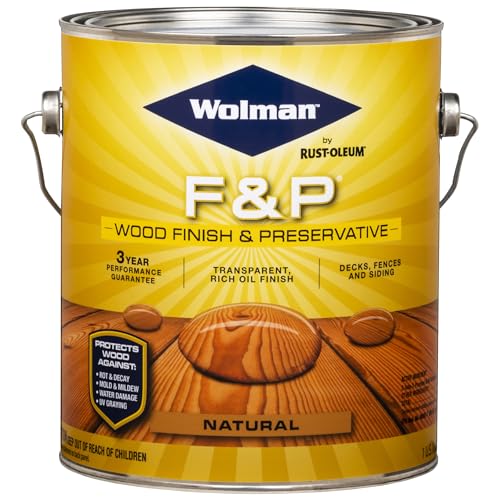
Features: Brush or spray application on all outdoor wood, including decks, fencing, and siding. Deep-penetrating, transparent stain with an oil finish that beautifies new wood and rejuvenates weathered wood. Provides long-term water repellence to help prevent cracking, splitting, and warping.
Best for: Decks needing a durable, oil-based look with enhanced color and weather resistance. Choose this if you want a rich finish that improves wood tone and adds protection against moisture.
Limitation: Oil-based finishes can take longer to dry and may require mineral spirits for cleanup; ensure proper ventilation and surface prep.
Tenino Copper Naphthenate 17% Copper Naphthenate

Features: Ready-to-use Copper Naphthenate with 17% copper (2% copper as metal). Meets AWPA M4 standard and required by building codes on end-cuts of all pressure-treated lumber. Low VOC and domestically sourced from recycled copper and reclaimed by-products.
Best for: Projects requiring code-compliant, copper-based protection, especially on end-cuts and end-grain areas. Choose this if meeting building code requirements and copper-based protection are priorities.
Limitation: Higher copper content can influence color on lighter woods; verify color preference for visible deck areas.
Buying Guide: Key Considerations For Deck Wood Preservatives
What should you evaluate when choosing a deck preservative?
- Purpose: Protect against moisture, rot, insects, or a combination. Determine whether you need a penetrating sealer, a surface stain, or a preservative with biocidal properties.
- Wood type and condition: New versus weathered wood. Bare wood may absorb finishes differently than aged boards.
- Environment: Coastal, freshwater, or inland exposure affects moisture and UV stress. For marine or high-humidity areas, consider marine-grade or low-VOC options.
- Application method: Brush, roller, or spray. Some products require longer drying times or specific cleanup solvents.
- Finish appearance: Transparent, tinted, or opaque. Clear finishes preserve natural color but offer less concealment of imperfections.
- Health and environmental impact: Non-toxic formulations reduce exposure risk for people and pets. Consider VOC levels and eco-certifications if relevant.
- Maintenance cycle: Reapplication frequency depends on sun exposure, foot traffic, and climate. Some products wear sooner in high-wear areas.
- Code requirements: Copper-based preservatives often meet building-code end-cut requirements; copper content and labeling should align with local codes.
Frequently Asked Questions
- What is the difference between a wood sealer and a wood preservative?
- Are oil-based finishes better than water-based ones for decks?
- Can I use copper-based products on all types of wood?
- How often should deck preservative products be reapplied?
- Should I consider eco-friendly treatments?
- Is a stain and sealer the same as a preservative?
Sealers primarily block moisture and UV damage and may not provide insect protection. Preservatives actively defend against rot and pests, sometimes including a stain or color.
Oil-based finishes typically offer deeper color and penetration, but water-based products can be easier to clean and lower in VOCs. The choice depends on desired appearance and maintenance tolerance.
Copper-based products are generally suitable for treated and untreated exterior wood, but follow label instructions for end-cuts, ground contact, and moisture exposure.
Reapplication frequency depends on climate, wear, and product type. Coastal or high-UV environments may require more frequent maintenance than shaded or protected areas.
Eco-friendly and non-toxic options are available and beneficial for spaces with children, pets, or sensitive ecosystems. Assess performance needs alongside environmental considerations.
Stains and sealers primarily affect color and moisture resistance, while preservatives add protection against rot and insects. Some products combine these functions for convenience.