Tomato plants face a variety of fungal threats, including powdery mildew, blight, and leaf spot. Selecting a effective fungicide can help protect yields without compromising safety for organic gardening. The following top-rated options are designed to combat common tomato diseases, with emphasis on organic-friendly ingredients and versatile application. This guide highlights five products with proven track records and practical usage for home gardens and small plots.
Summary of chosen products:
| Product | Brand | Key Benefit | Format |
|---|---|---|---|
| Captain Jack Copper Fungicide | Bonide | Organic copper-based disease control; harvest-day readiness | Liquid concentrate |
| Plant Fungicide Spray (Copper Soap) | Neudorff | Broad disease protection for vegetables and fruits | Ready-to-use spray |
| Trifecta Crop Control | Trifecta | All-in-one fungicide and pest control for crops | Ready-to-use spray |
| Earth’s Ally 3-in-1 Plant Spray | Earth’s Ally | Botanical oil-based fungicide with insect control | Ready-to-use spray |
| Bonide Fung-onil | Bonide | Broad-spectrum protection against leaf spot and blight | Ready-to-use spray |
Bonide Captain Jack Copper Fungicide

Bonide Captain Jack Copper Fungicide is a copper-based solution designed for organic gardening. It provides broad disease control and is approved for organic produce, making it suitable for tomato cultivation where organic methods are preferred. The product is a liquid concentrate that can be prepared for use across different growth stages and weather conditions. Its copper formulation targets a wide range of diseases including blight, black spot, and powdery mildew, helping to reduce spread from infested leaves to fruit. For organic growers, this product offers a familiar, widely used copper option with flexible harvest timing.
The key considerations include compatibility with other garden inputs and careful handling to avoid copper buildup on foliage. Users should follow label directions regarding tank mixes and frequency of applications, especially during periods of rain or high humidity. This product is commonly chosen when copper-based prevention is a priority and when gardeners seek a trusted, time-tested option for tomato disease management.
Neudorff Plant Fungicide Spray (Copper Soap)

Neudorff Copper Fungicide Spray is a copper soap formulation designed to protect roses, fruits, and vegetables, including tomatoes. It is labeled for organic gardening and can be used up to the day of harvest. This product addresses powdery mildew, rust, black spot, leaf and fruit spot, and other listed diseases. It is suitable for a variety of plant types, including fruiting vegetables, and can be applied to outdoor crops as part of an integrated disease management plan. The ready-to-use format simplifies application for gardeners seeking immediate protection without mixing.
When applying, consider the growth stage of tomato plants, potential copper sensitivity in long-term use, and environmental conditions that influence disease pressure. Regular monitoring and compatible rotations with other disease controls can maximize effectiveness, especially in humid regions where powdery mildew and blights are common threats to tomato yields.
Trifecta Crop Control Ready-To-Use
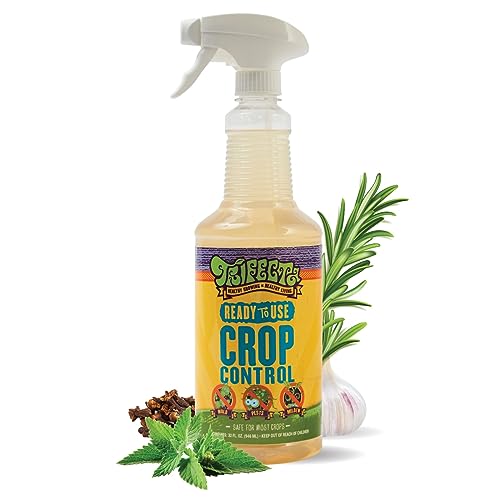
Trifecta Crop Control combines insect, disease, and mold management in a single, ready-to-use formula. The product targets powdery mildew and a broad spectrum of pests, including spider mites and whiteflies, while being safe for edibles and suitable for organic gardening when used as directed. This all-in-one approach can reduce the number of separate sprays in a seasonal plan, and the fast-drying action helps minimize residue concerns in home gardens. The formula emphasizes environmental safety, with a focus on reducing harm to beneficial insects when used properly.
For tomato crops, this product offers a convenient option to address both fungal and arthropod pressures. It is important to apply according to label directions, avoid excessive heat during application, and space applications to maintain protective coverage during periods of disease risk. Consider rotating with other fungicides to prevent potential resistance buildup and to maintain long-term effectiveness on tomatoes.
Earth’s Ally 3-in-1 Plant Spray

Earth’s Ally 3-in-1 Plant Spray is an insecticide, miticide, and fungicide designed for both indoor and outdoor use. Its botanical oil blend targets soft-bodied insects such as spider mites, aphids, and whiteflies while also addressing common plant diseases like powdery mildew, downy mildew, blight, and leaf spots. The product emphasizes a safer profile for homes with families and pets, and its organic approach makes it appealing to gardeners seeking less synthetic chemistry. It is suitable for a range of plant types, including vegetables, fruiting plants, and ornamentals.
When used on tomatoes, this spray can provide concurrent pest and disease suppression, reducing the need for separate products. Consider the frequency of applications during humid seasons and ensure thorough coverage of both leaf surfaces and new growth for optimal protection. Some users prefer to alternate with copper-based products to broaden disease control while maintaining a sustainable approach.
Bonide Fung-onil Multi-Purpose Fungicide

Bonide Fung-onil is a multi-purpose fungicide containing chlorothalonil, designed to protect against a range of fungal diseases that affect tomatoes and other garden crops. The product is widely used for foliage diseases such as leaf spot, rust, blight, and mildew, providing broad-spectrum protection. It is available as a ready-to-use spray and is commonly selected by gardeners who want dependable, general-purpose disease control that can be paired with other cultural practices like pruning and spacing for improved air circulation.
For tomatoes, follow label instructions regarding application intervals and environmental considerations such as rainfall. While highly effective, integrating this fungicide with copper-based options or biological controls can help manage disease pressure without overreliance on a single mode of action, thereby reducing the risk of resistance.
Bonide Sulfur Plant Fungicide

Bonide Sulfur Plant Fungicide provides a micronized sulfur option for preventing rust, leaf spots, and powdery mildew. It can be applied to fruits, vegetables, and ornamentals, making it a flexible choice for tomato beds. Sulfur products are often used preventatively and can fit well into an integrated disease management plan aimed at organic and conventional gardens alike. Consider weather conditions, as sulfur can be phytotoxic in high heat or sun exposure; applying during cooler parts of the day and avoiding midday sun can help mitigate this risk.
This option is especially useful for gardeners seeking a copper-free approach or who want a versatile spray that covers both disease prevention and minor pest suppression. As with any fungicide, rotate with other active ingredients to minimize resistance development and maintain broad disease control over a growing season.
Buying Guide: Key Purchase Considerations For Tomato Disease Management
- Active ingredient and mode of action: Copper-based products offer preventive protection against multiple diseases, but resistance can develop if used exclusively. Consider rotating with sulfur, botanicals, or non-copper formulations to diversify action.
- Organic suitability: If organic certification or organic home garden practices are a priority, verify product labeling confirms organic use and harvest intervals align with edible crops.
- Target diseases: Identify the most common threats in your region (powdery mildew, blight, leaf spot, etc.) and choose products with proven efficacy against those diseases.
- Plant compatibility: Some products are labeled for a broad range of plants, including tomatoes, fruits, and ornamentals. Check tomato-specific guidance to ensure safe use on vegetable crops.
- Application timing: Many products are most effective when applied as preventive sprays or at the first sign of disease. Adhere to label timing, especially during rainy seasons or high humidity when disease pressure increases.
- Safety and handling: Follow protective gear recommendations and proper mixing/handling procedures. Some botanicals are gentler, but all garden chemicals require careful use around children and pets.
- Formulation and convenience: Ready-to-use sprays simplify application, while concentrates can be cost-effective and allow tailored dilution. Consider your typical gardening setup and water availability when choosing.
- Environmental impact: Favor products designed to minimize environmental residues and protect pollinators. Some products emphasize low-residue formulas and quick drying for safer indoor/outdoor use.
- Compatibility with other controls: If using pheromone traps, beneficial insects, or nutrient programs, verify label compatibility to avoid adverse interactions or reduced efficacy.
- Rotation and resistance management: Plan a rotation schedule among products with different active ingredients to reduce the risk of resistance in fungi and pests over multiple seasons.
For tomato gardening success, combine attentive disease monitoring with a thoughtful rotation of products. Integrate cultural practices such as proper spacing, staking to improve air circulation, drip irrigation to keep foliage dry, and pruning to reduce microclimates where fungi thrive. By aligning product choices with local disease pressures and seasonal patterns, home gardeners can protect tomato crops while maintaining a focus on safety and sustainability.