Answering how to prevent rabbits in the garden starts with choosing the right tools. This guide highlights five practical options—physical plant protectors and humane repellents—tailored to different garden sizes and rabbit pressures. Best for small-space growers: protective cages and mesh. Best for larger landscapes: granular or scent-based repellents. Avoid mixed signals: combine physical barriers with deterrents when rabbit activity is persistent.
Summary of selected products
| Product | Best for | Protection Type | Notes |
|---|---|---|---|
| Twintaogo Plant Protectors | Small to medium plantings | Metal wire mesh cages | DIY cut-to-fit, includes stakes and zip ties |
| Bonide Repels-All | Lawn, garden, and borders | Granular repellent | Broad animal coverage; reapplication needed after rain |
| Pblovylu Deer Repellent Balls | Arbors, trees, and flower beds | Ornamental scent deterrents | Effective up to 120 sq ft per ball; plant-safe ingredients |
| IMUSTGARDEN Mint Scent Spray | Rabbits in lawn and foliage | Botanical spray | Concentrated oils; strong rabbit repellent scent |
| LAQDECDV 8-Count Balls | Garden beds and shrubs | Scent-based bags or balls | Up to 60–90 days protection; simple placement |
Twintaogo 32.8Ft Plant Protectors With Accessories

Best for small-to-medium plantings that require a durable barrier. These metal wire mesh plant protectors come in a long roll that you can cut to fit individual plants. The kit includes 100 nylon zip ties, U-shaped stakes, gloves, and pliers for secure installation. The square holes promote air flow and sunlight, while physically excluding rabbits and other pests. Limitations: installation time increases with larger beds, and height must be sufficient to avoid jumper rabbits. This solution is ideal for vegetable starts, herbs, and small seedlings in raised beds.
Bonide Repels-All Animal Repellent Granules
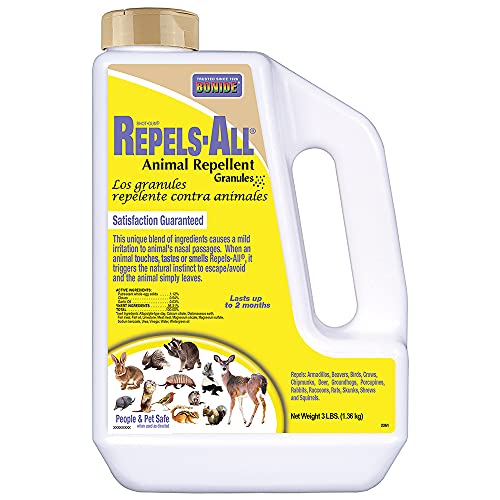
Better for larger landscapes and borders where multiple species are a concern. The granules create a mild irritation to animal nasal passages, encouraging them to leave the treated area. It covers a broad range of animals including rabbits, squirrels, deer, and more. Choose this if you need a general deterrent for a wider perimeter. Caution: reapply after heavy rain or irrigation to maintain effectiveness, and avoid direct contact with edible plants during application.
Pblovylu 24 Pack Deer Repellent Balls

Best for trees, shrubs, and fruit beds where rabbits and deer frequent. These balls release scents that deter herbivores while remaining pet-and-people friendly. They are easy to place around the base of trees or in mulch beds. Use when rabbits are active around perimeters or on fruit trees. Limitation: effectiveness can diminish over time and with rain; plan replenishment when scent fades, typically within a season.
I Must Garden Mint Scent Rabbit Repellent

Best for targeted rabbit protection on lawn and garden beds. This spray uses botanical oils, with a mint scent that helps deter rabbits while remaining pleasant to humans. It provides strong protection due to multiple active ingredients and is easy to apply directly on plants and soil. Caution: spray may need reapplication after rain; do not rely on one-time use for long-term coverage.
LAQDECDV Deer And Rabbit Repellent Balls

Best for perimeters around gardens and flower beds where rabbits and deer are common. These balls provide up to 60–90 days of protection with minimal maintenance. Place around problem areas and re-check after rainfall. Limitation: effectiveness depends on environmental conditions; re-position if scent diffuses unevenly.
Thrivinest Animal Barrier Fence, 10 Pack

Best for physical barrier across yard edges and garden borders. This decorative yet sturdy 17-inch-tall, 10-foot-long set serves as a barrier to prevent digging and intrusion by rabbits and other small animals. Choose this when you want a reusable fence that doubles as yard decor. Limitation: best suited for delineating borders; may not be a full enclosure for high rabbit pressure areas.
Eunika Round Plant Protectors, 12″ Cylinders

Best for protecting seeds, seedlings, and small plants in larger beds. These 12-inch diameter, cylindrical protectors offer robust defense without blocking sunlight. They come with fixing stakes and straps for easy setup. Use when you need a simple, scalable barrier for multiple plants in a row. Limitation: height may limit protection for taller plants; ensure enough clearance for growth.
Buying Guide: Key Purchase Considerations
- Garden size and rabbit pressure: For small beds, physical cages (Twintaogo, Eunika) are highly effective. For larger spaces, supplementary repellents (Bonide, LAQDECDV) help protect broader areas.
- Protection type: Durable metal mesh cages stop chewing and digging. Scent-based repellents deter but do not physically block access.
- Maintenance: Granular repellents require reapplication after rain; scent balls require replacement every season or as scent fades.
- Plants and placement: Protect seedlings and young transplants first. Place repellents around perimeters of borders, trees, and high-value plants.
- Safety: Choose pet- and human-safe formulas when children or pets frequent the area. Avoid contact with edible parts during application.
Frequently Asked Questions
- What is the most effective rabbit deterrent for small gardens?
Physical mesh cages combined with scent-based repellents provide both immediate protection and ongoing deterrence, especially for high-value or tender plants. - Can I use repellents around edible vegetables?
Yes, but follow label directions and apply to surrounding soil or mulch rather than directly on edible parts. - How often should repellents be reapplied?
Granular repellents after rain; scent-based products typically every 1–2 months, or as scent fades. - Do rabbit protection measures affect plant growth?
Physical cages can slightly reduce light for very large cages; choose appropriate height and mesh size to avoid shading. - Are there non-chemical options?
Yes. Physical barriers, motion-activated sprinklers, and mulches with rough textures can deter rabbits without chemicals. - Should I use a combination of products?
Yes, combining barriers with repellents offers layered protection and can reduce rabbit damage effectively.