Gardening in Zone 6 blends cold winters with warm summers, demanding plants that can handle varying temperatures and moderate rainfall. The following products offer a mix of perennials, annuals, and pollinator-friendly options that suit Zone 6 gardens. From tall lupines to shade-tolerant wildflower blends and early-blooming camellias, these selections provide color, structure, and ecological benefits across seasons.
| Product | Brand | Zone Range | What It Delivers |
|---|---|---|---|
| Seeds Multicolor Tall Lupine Mix | Sprouticus Maximus | 4-8 | Tall spires, butterflies and bees; easy care |
| Eden Brothers Partial Shade Wildflower Mix | Eden Brothers | 3-10 | Mixed color blooms; attracts pollinators |
| Eden Brothers Michigan Wildflower Mix | Eden Brothers | 3-10 | Varied species; ground cover; pollinators |
| Eden Brothers Northeast Wildflower Mix | Eden Brothers | 3-10 | 25 species; hardy in varied sun |
| Jasmine Live Plant | AKTRD | 6-11 | Fragrant climber; bright white flowers |
Seeds Multicolor Tall Lupine Mix

Tall Multicolor Lupine Mix delivers striking flower spikes with colors ranging from pink and purple to yellow and white. Plants reach up to 3 feet, providing vertical interest in borders, meadows, or perennial borders. The mix is noted as easy to grow and low maintenance, making it suitable for beginner gardeners. Lupines tend to perform well in less-than-ideal soils once established, and they attract a variety of pollinators including butterflies and bees, boosting local biodiversity.
Eden Brothers Partial Shade Wildflower Mixed Seeds

This bulk seed mix includes 27 easy-to-grow species such as Sweet William, Foxglove, and Coreopsis. It provides 250-500 square feet of ground cover and is designed to attract bees, butterflies, and hummingbirds for pollination. The blend is described as non-GMO with no fillers, and it suits zones 3-10, thriving in partial shade with mixed color blooms from spring through fall. It’s ideal for gardeners seeking a low-maintenance, pollinator-friendly landscape.
Eden Brothers Michigan Wildflower Mixed Seeds

Michigan Wildflower Mix brings together 25 easy-to-grow species, including Cosmos, Sweet William, and Lupine. This blend covers up to 300 square feet, offering a mix of annual and perennial varieties suitable for zones 3-10. It is a non-GMO seed blend designed to attract pollinators and provide color across multiple seasons. Gardeners benefit from a varied palette that can be tailored to sunnier or partly shaded spaces in Zone 6 gardens.
Eden Brothers Northeast Wildflower Mixed Seeds

This blend features 25 easy-to-grow species including Shasta Daisy, Candytuft, and Lupine, designed to attract pollinators with 250-500 square feet of ground cover. It suits zones 3-10 and performs well in full sun or partial shade. The mix provides year-round bloom potential and adds a hardy foundation for a diverse Zone 6 garden, balancing color with ecological benefits for local wildlife.
2 Jasmine Plants Live
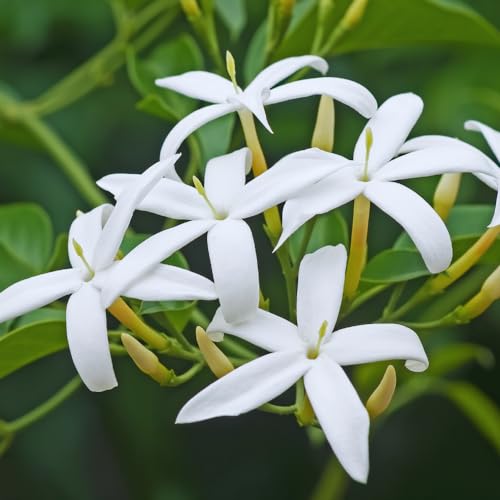
Two live jasmine plants offer fragrant, white blooms that can enrich Zone 6 gardens with aroma and structure. These plants prefer well-drained soil and full sun, fitting well into sunny borders or containers. Climbing varieties can be trained on trellises or fences, creating vertical interest and a year-round sensory element for outdoor spaces.
April Tryst Red Camellia Japonica
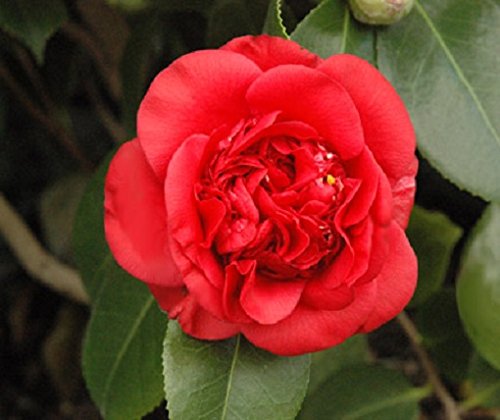
April Tryst Camellia Japonica is a late-winter to early-spring bloomer with deep red, fragrant flowers and glossy evergreen foliage. In Zone 6, Camellias can thrive with winter protection and partial shade. This starter plant variety ships without a pot and may benefit from established roots in a well-drained, slightly acidic soil mix. It serves as a focal point in understory beds or near shade-providing evergreens.
April Tryst Camellia (Monrovia) 3 Gal

This 3-gallon Monrovia camellia is an evergreen shrub with fragrant red blooms and glossy green foliage. It is suited to Zones 6-9 and prefers partial shade with acidic, well-drained soil. It provides seasonal color and a refined look for foundation plantings or woodland garden aesthetics. Note that certain states may restrict plant shipments, so check local regulations before purchase.
Buying Guide: Key Purchase Considerations
- Zone compatibility: Confirm that the variety supports Zone 6 conditions, including winter lows and summer highs.
- Sun exposure: Assess site sun and shade; many wildflower mixes perform best in full sun, while some tolerate partial shade.
- Pollinator value: Choose blends featuring nectar-rich blooms to attract bees, butterflies, and hummingbirds, enhancing garden health.
- Soil and moisture: Consider soil drainage and amendment needs; lupines and camellias have specific preferences that affect establishment.
- Maintenance level: For busy seasons, select low-maintenance mixes and easy-care perennials to reduce ongoing work.
- Plant type mix: Mix annuals, perennials, and shrubs (like camellias) to ensure color across seasons and multi-year structure.
- Source and authenticity: Prefer reputable seed suppliers and non-GMO blends when color variety and ecological impact matter.
- Shipping and regulations: For live plants, verify shipping restrictions and best-practice handling to ensure healthy arrivals.
These selections offer a balanced approach to Zone 6 gardening, blending easy-care annuals, robust perennials, and fragrant shrubs. By combining tall lupines, mixed wildflower seeds, and flowering shrubs or climbers, you can craft a garden that delivers color, structure, and pollinator support through multiple growing seasons.