Finding the widest riding lawn mower means prioritizing deck width, engine power, and cutting efficiency for large properties. This guide helps buyers choose models that efficiently cover expansive lawns, including two- and three-acre plots. The top picks below are best for homeowners who need speed, range, and durability. Each product section explains who it’s best for, why it was selected, and a clear trade-off to consider before you buy.
Product Snapshot — Quick Comparison
- — Best for mid-size yards up to 2 acres; reliable Briggs & Stratton engine; solid all-around performance.
- — Best for tighter spaces and gate access; 36″ deck with strong cut capacity.
- — Best for low maintenance and high-efficiency charging; great for eco-conscious yards up to 1.5 acres per charge.
- — Best for fast mowing on large lawns; 54″ deck, powerful engine, zero-turn agility.
- — Best for conventional lawns with year-round reliability; 48″ deck, hydrostatic transmission.
CRAFTSMAN 42″ Gas Riding Lawn Mower
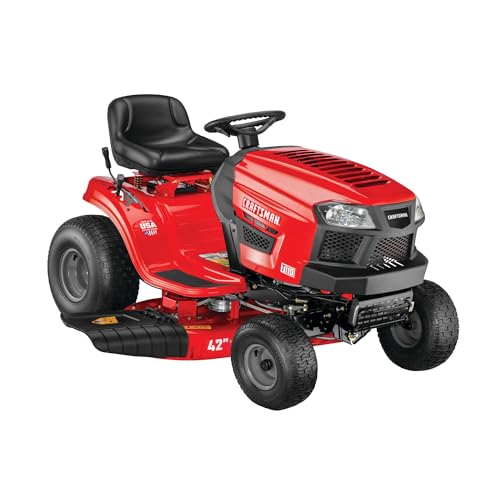
Deck width: 42 inches. Engine: 17.5 HP Briggs & Stratton single-cylinder. Transmission: 7-speed. Cutting capacity: up to 2 acres with optional mulching kit. Purpose: general yard maintenance with efficient mowing on medium-to-large lots. Best for homeowners who want a balance of deck width and maneuverability, without stepping up to deeper professional-grade equipment.
Who it’s best for: Homeowners with up to about 2 acres looking for dependable gas power and straightforward maintenance. Why selected: strong balance of cutting width and engine reliability, plus mulching compatibility for a cleaner finish. Caution: fuel costs and exhaust are considerations for larger, frequent mowing sessions.
CRAFTSMAN 36″ Gas Riding Lawn Mower

Deck width: 36 inches. Engine: 11.5 HP Briggs & Stratton single-cylinder. Transmission: 7-speed. Cutting capacity: up to 2 acres with mulching kit. Purpose: yards with tight spaces or narrow gates where a wider unit won’t fit. Best for property owners who need access through tight gates or with tight perimeter mowing. Caution: smaller deck means more passes on large lawns if space is not constrained.
EGO Power+ Electric Riding Lawn Mower, 42″ Deck

Power: Electric with six 56V 6.0Ah batteries included; mower delivers up to the equivalent of 21 horsepower in performance. Coverage: up to 1.5 acres per charge with the included batteries; additional packs extend capacity. Purpose: for buyers seeking low maintenance, quiet operation, and zero emissions. Best for medium-to-large yards where charging infrastructure is ready. Caution: battery-dependent performance means planning for recharges in very large properties.
Husqvarna Z254 (54″) 24HP Briggs Zero Turn

Deck: 54 inches. Engine: 24HP Briggs & Stratton. Transmission: Hydro-Gear EZT. Type: Zero-turn. Best for: very large, flat lawns where speed is important and maneuverability around obstacles is essential. Consideration: zero-turn models with wider decks can be less suitable on narrower paths or tight gate access.
Husqvarna TS 148X (48″) 24HP Lawn Tractor
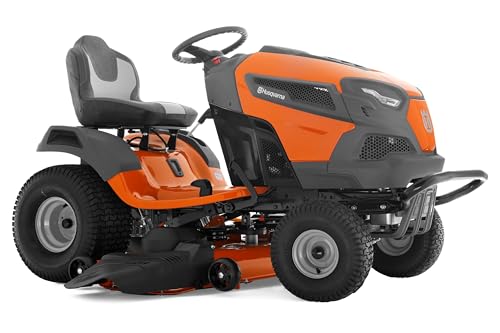
Deck width: 48 inches. Engine: 24HP Briggs PXi series. Transmission: K46 Tuff Torq Hydrostatic. Purpose: reliable all-around lawn tractor for diverse yard layouts, including uneven terrain. Best for homeowners who want steady power, good deck width, and a conventional drive system. Caution: not a true zero-turn—turn radius is larger than a dedicated zero-turn model.
Buying Guide
Consider these practical questions when choosing a widest riding mower for large properties.
- What deck width do you need? Wider decks increase mowing speed but may limit gate access or maneuverability in tight spaces.
- Gas vs. electric: Do you want the lower maintenance and faster refuels of gas, or the cleaner, quieter operation of electric? Battery capacity matters for large properties.
- How important is turning radius? Zero-turn mowers cut mowing time around obstacles but can be less stable on uneven ground and may require more clearance for moving around trees.
- Terrain and slope: Some models handle uneven terrain better with hydrostatic transmissions; consider a model with appropriate drive and traction features.
- Maintenance and parts availability: Choose brands with broad service networks and readily available replacement parts.
Deck Width Versus Yard Size: Quick Rules
- Up to 1 acre: 42″–46″ decks balance speed and access.
- 1–2 acres: 48″–54″ decks optimize time with stable power.
- 2+ acres: 54″ decks or wider with robust transmission options for best results.
Efficiency And Operating Cost Considerations
- Gas mowers typically offer longer run times per fill but higher fuel costs and maintenance requirements over time.
- Electric mowers reduce ongoing fuel costs and emissions, but battery packs define mowing duration and total area per charge.
- Mulching capability can reduce time spent on litter cleanup and fertilization alike.
Maintenance And Longevity
- Regular blade sharpening and deck maintenance preserve cutting quality and deck life.
- Engine and transmission servicing intervals vary by brand—follow owner’s manuals for oil, belts, and filter changes.
- Storage conditions can impact electric battery life and fuel stability in gas engines.
FAQ
- What is the widest riding lawn mower on the market? Models in this guide feature 42″ to 54″ deck widths, with 54″ decks among the widest widely available for consumer use.
- Is a wider deck always better? Wider decks reduce mowing time but may limit space to turn in narrow areas or fit through gates.
- Are electric riding mowers powerful enough for large properties? Yes, many offer multi-battery configurations that cover up to 1.5 acres per charge, but plan for charging needs on very large lawns.
- What maintenance should I expect? Regular blade maintenance, oil and filter changes for gas models, and battery maintenance for electrics.
- Which mower is best for sloped terrain? Look for hydrostatic transmissions and robust drive axles; some zero-turns handle slopes well, but caution with steep grades is advised.
- Do I need a mulching kit? A mulching kit helps finish the cut and can reduce lawn cleanup while recycling clippings.