Answering common buy-now questions for gardeners: which reblooming bearded iris bulbs or rhizomes deliver-repeatable color, easy growth, and reliable year-after-year performance? This guide evaluates five top options from reputable sellers, highlighting who each one is best for, and why. The top picks cover a range of color palettes and growing conditions, making it easier to design a perennial display that returns season after season. The following table summarizes the key picks to help you compare at a glance.
| Product | Type | Best For | Highlights |
|---|---|---|---|
| Beauty Mix Bearded Iris | Bulbs | Colorful beginner gardens | Easy to maintain; reblooming; high survival |
| Supreme Pink Mix | Rhizome/Bulb/Root | Zones 4–9 garden beds | Astounding color variety; perennial |
| Pretty Bearded Iris | Rhizome | Colorful borders; low maintenance | Year-after-year blooms; fresh roots |
| Dangerous Mood | Rhizome/Bulb | Vibrant, dramatic gardens | Astounding color range; perennial |
| Ozark Rebounder Bearded Iris | Rhizome | Naturalizing in beds | Dark purple, nearly black veining; fragrant |
Beauty Mix Bearded Iris, Root Start, Color Mix

This set provides iris bulbs ready for planting with a color-mixed palette. It emphasizes easy maintenance and a high survival rate, making it suitable for first-time iris gardeners and anyone seeking a reliable backcountry border or container display. The reblooming trait means multiple flowering periods in suitable climates, offering continuous color across seasons. Best for gardeners seeking a low-effort yet colorful perennial addition.
Best for: beginners and homeowners who want a dependable, low-maintenance display that returns each year with decorative color blends.
Why selected: It combines ease of care with reblooming capability and a positive symbolism, adding year-round interest. The data suggests straightforward care, and the bulbs are described as easy to maintain with a good survival rate.
Limitation: As with many bulb varieties, planting depth and soil drainage are crucial; poor drainage can limit performance in some climates.
Supreme Pink Mix Bearded Reblooming Iris

This option emphasizes a broad color range within a pink-dominated mix, offering striking combinations for border plantings or garden beds. It’s described as suitable for zones 4–9 and has the advantage of perennial reblooming, returning year after year. Best for gardeners who want a dramatic, color-rich display without replanting each season.
Best for: mid- to late-season color variety in temperate gardens; homeowners who appreciate multiple bloom periods per year.
Why selected: The pink-rich palette provides visual variety and flexibility in pairing with foliage or other perennials. The perennial habit makes it a practical long-term addition.
Limitation: Color distribution can vary by climate and sun exposure, so plan for even light to optimize rebloom performance.
Pretty Bearded Iris, Reblooming German Iris
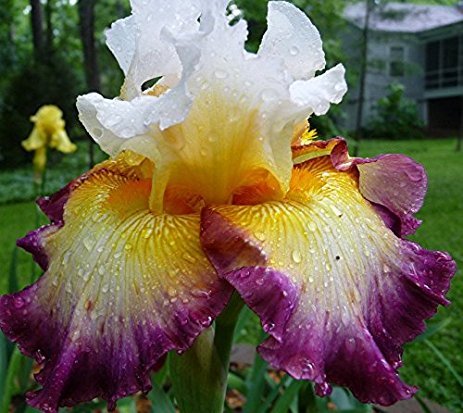
This selection emphasizes colorful year-round blooms with a focus on a fresh root, rhizome planting, and easy growth. The variety is positioned as a reliable perennial that returns with color each season, suitable for borders, beds, and containers. It’s a solid choice for gardeners who want consistent annual display with straightforward care requirements.
Best for: gardeners prioritizing repeat blooming and easy propagation across multiple garden areas.
Why selected: The “Fresh Root” mention implies strong foundational health for rebloom, supporting robust seasonal color. It’s described as easy to grow, appealing to hobbyist gardeners.
Limitation: As with many bearded irises, adequate sun and drainage are essential; overcrowding can limit bloom quality over time.
Dangerous Mood Bearded Iris, Reblooming

This option markets a bold, multicolor reblooming iris suitable for vibrant garden themes. It’s positioned for zones 4–9, with perennial behavior that offers color returns year after year. The variety supports landscape design that aims for dramatic contrast and a long display season.
Best for: gardeners who want a striking contrast of color and pattern in borders or focal beds.
Why selected: The emphasis on color range and rebloom makes it a strong candidate for dynamic color storytelling in a garden plan.
Limitation: Some color blends may require careful spacing to prevent crowding and ensure air flow for disease prevention.
Ozark Rebounder Bearded Iris

The Ozark Rebounder is described as a premium reblooming rhizome, designed to naturalize and persist through years of growth. It presents bold, nearly black-purple flowers with a white starburst around the beards. The variety is highlighted as an Award of Merit winner and well-suited for naturalizing in perennial beds.
Best for: naturalized plantings, borders, and cut-flower arrangements in climates that support long blooming periods.
Why selected: Its standout color and naturalizing tendency make it a compelling centerpiece in a mature iris display.
Limitation: Large blooms require careful soil preparation and spacing to maintain vigor in crowded plantings.
Buying Guide
What to consider when choosing reblooming bearded iris
Light and soil: Most reblooming bearded iris prefer full sun and well-draining soil. Plan for at least six hours of direct sunlight daily and ensure beds do not retain excess moisture, which can lead to rhizome rot.
Color range and garden design: Decide whether you want bold, dark tones or a pastel palette. Consider how the iris will pair with existing perennials and shrubs, and whether you prefer a cohesive bed or a mosaic of color blocks.
Planting and care tips for reblooming bearded iris
- Plant rhizomes just at or slightly above soil level with good air circulation to prevent rot.
- Avoid overwatering between bloom cycles; iris prefer moderate moisture and quick-draining soil.
- Divide crowded clumps every 3–5 years to maintain vigor and flowering performance.
- Fertilize sparingly in early spring with a balanced, low-nitrogen fertilizer to support growth without encouraging leaf disease.
Which option to choose for different gardeners
- Beginners: Beauty Mix Bearded Iris or Pretty Bearded Iris offer straightforward care and reliable rebloom.
- Color-forward borders: Supreme Pink Mix and Dangerous Mood provide dramatic palettes for edging and borders.
- Naturalizing and fragrant displays: Ozark Rebounder Bearded Iris is ideal for naturalized beds and floral arrangements.
Care consistency and climate considerations
Bearded iris perform best in zones 4–9 with adequate winter chilling and warm summers. In extremely hot or wet climates, ensure soil drainage is optimized and provide shade during peak heat to protect blooms.
FAQ
- How many times a year do reblooming irises typically bloom? Reblooming irises can produce multiple flowering periods within a growing season, depending on climate, sunlight, and irrigation.
- Are reblooming irises easy to transplant? Yes, irises in rhizome form are generally easy to transplant, especially when dormancy is ending in spring or fall.
- What is the best soil type for reblooming bearded irises? Well-draining, loamy soil with moderate fertility supports robust growth and reduces rot risk.
- Can reblooming irises naturalize in a garden? Some varieties are noted for naturalizing, spreading gradually in beds and borders over time.
- Do reblooming irises require frequent fertilization? They benefit from modest annual feeding, but over-fertilization can lead to excessive foliage at the expense of blooms.
- How do I prevent leaf diseases on irises? Space plants to improve air circulation, remove damaged leaves promptly, and avoid overhead watering late in the day.