If you want vibrant late-summer color that attracts pollinators, blazing star (Liatris spicata and related species) is a top choice. This guide highlights five reliable, user-friendly options ideal for American gardens, meadows, and restoration projects. Each selection targets different growing conditions, water needs, and wildlife benefits, helping you choose the right cultivar for your space and climate. The products below are organized to help you compare bloom color, vigor, and suitability for sunny borders, rain gardens, and drought-tolerant landscapes.
Buyer profile snapshot:
- Best for pollinator-friendly borders and meadows: Survival Garden Seeds Dense Blazing Star.
- Best for bulb-based, long-season color: Votaniki Giant Liatris Spicata Bulbs.
- Best for mixed-color displays: Mixed Liatris Blazing Star Bulbs by CZ Grain.
- Best for bulbs that tolerate cool starts: Purple Blazing Star Bulbs (Pleasant Gardens).
- Best for compact native wildflower patches: Everwilde Farms Meadow Blazing Star seeds (125-count).
| Product | Type | Best For |
|---|---|---|
| Survival Garden Seeds Dense Blazing Star | Seeds | Pollinator gardens, native meadows, drought tolerance |
| Votaniki Giant Liatris Spicata Bulbs | Bulbs | Long-season color, easy-to-grow bulb addition |
| Purple Blazing Star 10 Bulbs | Bulbs | Border plantings, compact or medium plots |
| Mixed Liatris Blazing Star Bulbs | Bulbs | Color variety, butterfly appeal |
| Everwilde Farms Meadow Blazing Star Seeds (125) | Seeds | Native wildflower patches, larger plantings |
Explore the sections below to see how each option stacks up for your climate, soil, and water conditions. Each product includes notes on best uses, potential limitations, and why it was selected for this guide.
Survival Garden Seeds – Dense Blazing Star (Liatris spicata)
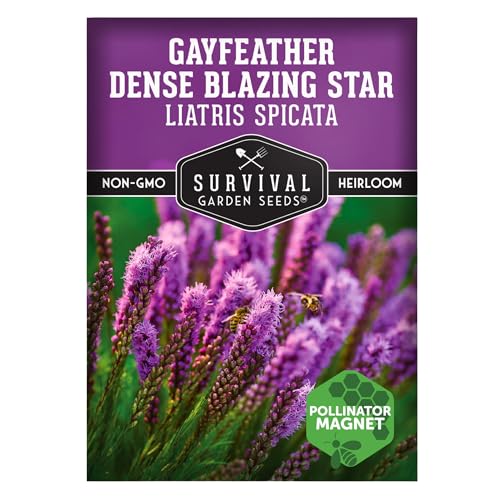
What it is: Dense Blazing Star seeds of Liatrus spicata, a North American native. This open-pollinated, heirloom seed packet emphasizes high germination rates and pollinator-friendly traits. The plant typically reaches 3-4 feet with purple blooms from July through September. It is adapted to USDA zones 3-9 and tends to be drought-tolerant once established.
Who it’s best for: Gardeners seeking a reliable native perennial for late-season color that supports native bees, monarchs, and hummingbirds. Ideal for pollinator habitats, prairie restoration, and xeriscapes. Good option for those who prefer seeds over bulbs and want self-seeding potential to naturally extend displays.
Why selected: It combines native status with proven pollinator value and a broad hardiness range, offering a natural-looking display with low water requirements after establishment.
Caution/limitation: Germination success can depend on stratification and soil warming; starting in cool soils may delay emergence in northern zones.
Votaniki Giant Liatris Spicata Bulbs – Purple Flowers

What it is: A 10-pack of Liatrus spicata bulbs marketed as a perennial with tall purple flower spikes. The plants are described as drought-tolerant and suited for full sun and well-drained soil. Their blooms appear in late summer and early fall, adding vertical interest and wildlife appeal to borders and meadows.
Who it’s best for: Gardeners who prefer bulb-based planting for seasonal color, quick establishment, and easier transplanting. Suitable for sunny borders and naturalized areas where drought has been a consideration.
Why selected: Bulbs offer a straightforward route to large, dramatic spikes with reliable color, especially for gardeners who want a quick boost to a late-summer palette.
Caution/limitation: Bulb availability can vary by season, and first-year blooms may be fewer if bulbs are small or stressed from shipping.
Purple Blazing Star (10 Bulbs) – Pleasant Gardens

What it is: A 10-bulb pack of Liatris spicata from Pleasant Gardens, described with full-sun tolerance and a cold-hardy profile. The packaging emphasizes bulb form and a bulb-based growth pattern for robust late-season color.
Who it’s best for: Gardeners wanting a robust, deer-resistant perennial with a classic blazing star silhouette. This option suits larger border blocks or meadow edges where a tall, reliable vertical accent is desired.
Why selected: The combination of full sun compatibility and reliable bulb performance makes this a practical choice for new plantings and refreshes in mixed borders.
Caution/limitation: Data emphasizes hardy zones; ensure soil drainage is adequate to avoid bulb rot in heavy soils.
Mixed Liatris Blazing Star Bulbs – Purple And White

What it is: A mix of purple and white Liatris spicata bulbs. These provide multi-color spikes that attract butterflies and are drought-tolerant. They perform well in sunny borders, containers, or meadow beds.
Who it’s best for: Gardeners seeking color variety within a single planting and those who want to create a mixed-border look or a pollinator-friendly display with multiple bloom tones.
Why selected: The color diversity adds visual interest while preserving the drought tolerance and wildlife benefits typical of blazing star species.
Caution/limitation: Mixed colors may result in uneven bloom timing; plan bed layout to ensure continuous late-summer color.
Everwilde Farms Meadow Blazing Star Native Wildflower Seeds (125)

What it is: A 125-count packet of meadow blazing star native wildflower seeds. Packaging emphasizes native status, current lab test data, and Gold Vault packaging for extended storage. Seeds are designed for native meadow restoration and large-scale plantings.
Who it’s best for: Land managers, restoration projects, and homeowners planning expansive native plantings who want a bulk seed option with storage durability.
Why selected: This choice emphasizes native authenticity and storage reliability, making it practical for larger installations and ongoing meadow maintenance.
Caution/limitation: Being seed-based, initial establishment may require soil preparation and weed management to reduce competition during germination.
Buying Guide: Meadow Blazing Star Selection
What to consider when choosing blazing star plants
Plant type: Decide between seeds and bulbs. Seeds are versatile for native restoration and self-seeding displays, while bulbs can offer faster color impact and uniform bloom timing.
Bloom color and height: Liatris spicata typically offers tall purple flower spikes; some mixes include white varieties. Consider height for your space—bulbs can deliver quick vertical accents, while seed-based plants may spread and fill more gradually.
Site conditions: Most blazing stars prefer full sun and well-drained soil. Drought tolerance after establishment is common, but ensure adequate moisture during the first growing season for best performance.
Pollinator appeal: All listed options support pollinators, with early-season to late-season nectar sources. If pollinator presence is a priority, prioritize native seed options designed for meadows or prairie restoration.
Maintenance and longevity: Bulbs can offer reliable returns in successive seasons with proper soil preparation. Seeds may self-seed and expand, which is desirable for meadow-like displays but may require occasional thinning.
Planting tips for blazing stars
- Prepare soil to ensure drainage—amend heavy soils with compost or grit if needed.
- Spacing: Bulbs typically need space to reach full height; seeds benefit from moderate crowding to create dense stands.
- Water: Water regularly during establishment; drought tolerance comes after roots establish deeply.
- Sun exposure: Choose full sun for best flowering; some varieties tolerate partial shade but may bloom less abundantly.
Quick comparison by buyer need
- Best for immediate color in sunny borders: Votaniki Giant Liatris Spicata Bulbs and Purple Blazing Star Bulbs by Pleasant Gardens.
- Best for large native meadow plantings and storage durability: Everwilde Farms Meadow Blazing Star Seeds.
- Best for mixed-color displays with butterfly appeal: CZ Grain Mixed Liatris Bulbs.
- Best for native-prairie restoration with high germination focus: Survival Garden Seeds Dense Blazing Star.
FAQs
- Q: Are blazing star plants drought-tolerant? A: Yes, once established, many varieties tolerate drought fairly well, especially in well-drained soils.
- Q: When do blazing stars bloom? A: In most cases, late summer through early fall, with some varieties extending into September.
- Q: Do blazing star seeds require special treatment? A: Seed germination can benefit from proper soil preparation and adequate moisture; some seeds may stratify for better germination.
- Q: Can I mix blazing star with grasses in a meadow? A: Yes, blending with native grasses can create a naturalized, prairie-inspired display that supports pollinators.
- Q: Are blaze star bulbs deer resistant? A: Some listings mention deer resistance; local browsing pressure can vary, so monitor your plantings accordingly.
- Q: Which option is best for beginners? A: Bulb options like Votaniki Giant Liatris Spicata Bulbs or Purple Blazing Star Bulbs offer straightforward establishment and quicker blooms for new gardeners.