If you want a reliable, low-maintenance garden that blooms year after year in full sun, perennial and mixed wildflower seed blends are the answer. This guide highlights top full-sun perennial wildflower options, suited for pollinator-friendly landscapes and beginner-friendly sowing. The selections below emphasize seeds that perform well in sunny beds, attract bees and butterflies, and resist common garden stresses. Each product is described with who it’s best for, why it’s chosen, and a practical note on any limitations. A quick comparison table follows to help you decide at a glance.
| Product | Why it stands out |
|---|---|
| HOME GROWN Premium Wildflower Seeds 89,000+ Count | High seed count, 23 varieties; versatile for meadows and borders; good for beginners and larger plots |
| HOME GROWN Wildflower Seeds – 44,000 Non GMO USA Perennial Seeds | Many perennial varieties; strong for long-term pollinator gardens; covers 250 sq ft |
| Outsidepride Gulf Coast Wildflower Seed Mix | Designed for Florida Gulf Coast climates; tall and diverse blooms; high purity seeds |
| Willard & May Southeast All Perennial Wildflower Seed Mix | Region-specific for warm Southeast climates; reliable perennial performance; pollinator-friendly |
| HOME GROWN 65,000+ Wildflower Seeds Heirloom Perennial Mix | Heirloom varieties; high germination; supports bees and birds; great bulk coverage |
Buyer profiles matched to these picks include: new gardeners seeking a robust, low-effort introduction to wildflowers; homeowners wanting all-season color with minimal replanting; pollinator gardeners aiming to attract bees and butterflies; and landscapes in sun-drenched areas across various U.S. regions. The following product sections offer a concise, comparison-friendly look at each option.
HOME GROWN Premium Wildflower Seeds 89,000+ Count

This seed blend features 89,000+ seeds across 23 native varieties, designed for full sun and mixed use in meadows or garden borders. Best for large sunny patches or beginners who want a straightforward, high-quantity seed mix that yields a dramatic first-season display and ongoing color in subsequent years.
- Best for expansive sunny beds or meadow-style planting
- Consider the space required to accommodate 23 varieties’ growth patterns
- Note: A large initial sow will require consistent irrigation during establishment in hotter climates
Who it’s for: homeowners with space to spare and a desire for a bold, wildlife-friendly display. Why chosen: the high seed count and diverse flower types offer a reliable start for reaching a vibrant full-sun garden quickly.
HOME GROWN Wildflower Seeds – 44,000 Perennial Mix
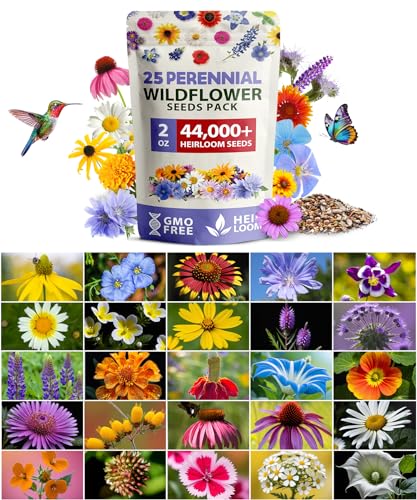
This 2-ounce package includes 19 perennial varieties, designed for full sun and shade alike. It covers about 250 square feet and prioritizes pollinator-friendly, long-lived blooms. It’s well-suited for gardeners who want a stable, year-after-year planting without re-sowing annually.
- Best for mid-sized borders and perennial garden corners
- Better for gardeners who prefer lasting color with minimal reseeding
- Limitation: initial establishment may require steady moisture and weed control
Who it’s for: gardeners seeking durable, perennial color with a focus on pollinators. Why chosen: emphasis on perennial varieties ensures future seasons require less replanting while maintaining visual impact.
Outsidepride Gulf Coast Wildflower Seed Mix

This mix targets Gulf Coast climates (Zones 8-10) with tall, diverse blooms and high seed purity. It’s ideal for hot, humid sun gardens in Florida and Texas, offering a vibrant palette with species like Baby’s Breath and Coneflower. Best for warm-region gardeners who want tall, textured borders and long bloom periods.
- Best for Gulf Coast and Southern climate gardeners
- Better for warm-season landscapes requiring resilient, heat-tolerant plants
- Limitation: performance declines outside its target climate range
Who it’s for: Southern gardeners needing a heat-tolerant mix with tall blooms. Why chosen: climate-specific formulation helps ensure successful establishment in challenging sunny conditions.
Willard & May Southeast All Perennial Wildflower Mix

This mix is tailored for Southeast climates, featuring 15 perennial varieties that thrive in warm soils and full sun. It supports pollinators while delivering steady, season-long color with annuals complementing perennials for continuous blooms.
- Best for Southeast gardens needing reliable perennial coverage
- Better for gardeners prioritizing pollinator health and habitat
- Limitation: may require spring or fall planting windows for best results
Who it’s for: homeowners in warm, sun-drenched zones seeking dependable perennial color. Why chosen: regional customization improves success and reduces maintenance in Southeast landscapes.
HOME GROWN 65,000+ Wildflower Seeds Heirloom Perennial Mix

This 4-ounce bulk mix features 24 prairie wildflower varieties with a focus on heirloom, non-GMO seeds and high germination. It’s designed to establish a bold, long-lasting garden in Midwest climates but performs well in many sun-drenched regions. The mix includes popular perennials commonly found in prairie-style plantings.
- Best for bulk coverage of large areas with perennial blooms
- Better for Midwest and similar climates seeking biodiverse habitats
- Limitation: large quantities require appropriate space and soil preparation
Who it’s for: gardeners needing a substantial, long-term perennial display with bee-friendly blooms. Why chosen: high-germination, multi-variety mix supports year-after-year color and habitat value.
Buying Guide: Full Sun Perennial Wildflowers
What matters most when choosing full sun perennial wildflowers
- Climate compatibility: Select mixes designed for your USDA zone or microclimate, especially in hot or humid regions.
- Perennial focus: Choose blends with proven perennial varieties for long-term color and reduced reseeding work.
- Bloom timing and height: Mixes with staggered bloom times and varied heights create ongoing interest and reduce competition.
- Soil and drainage: Ensure soils drain well; amended soil can improve establishment in sun-heavy beds.
- Pollinator appeal: If attracting bees and butterflies is a goal, prioritize nectar-rich species listed in the mix.
- Maintenance needs: Look for seeds with good germination rates and clear sowing directions to minimize ongoing effort.
How to plant and care for full sun wildflowers
Prepare a weed-free bed, loosen the soil, and sow according to the package instructions. For best results, lightly rake seeds into the top layer and water consistently during germination. Mulch lightly to conserve moisture without smothering seedlings. As plants establish, allow some seed head formation to promote self-sowing in subsequent seasons.
Regional considerations
Sea-sonal temperatures and humidity influence which mixes thrive. Gulf Coast and Southeast blends perform best in warm climates, while Midwest and Northwest mixes can provide robust blooms with cooler winters. It helps to align your plant choices with the local sun exposure patterns and typical rainfall.
Maintenance and long-term planning
Perennial-heavy mixes reduce replanting time, but some annuals in the blends will reseed over time. Plan for occasional thinning and deadheading to maintain vigor and prevent overcrowding. A fall or spring sowing window often yields better germination and establishment.
FAQ
- What is the best wildflower mix for full sun?
Look for blends labeled for full sun exposure with a mix of perennials and pollinator-friendly species. - Do perennial wildflowers come back every year?
Yes, many perennials will return year after year, though some annuals in mixes may reseed or fade after a season. - How much area will one package cover?
Coverage varies by seed mix; check the product description to estimate square footage per 2 oz, 4 oz, or 1 lb bags. - Are these seeds suitable for beginners?
Several blends target beginner gardeners with easy germination and simple sowing directions. - Will these attract pollinators?
Yes, all chosen products emphasize nectar-rich varieties designed to attract bees and butterflies. - Can I plant in partial shade?
Some mixes are adaptable to partial shade, but full sun blends typically perform best when they receive at least 6 hours of sun daily.