Find the right weeping, cascading, or ornamental tree to create a romantic garden focal point. This guide highlights five options tied to the “weeping” aesthetic, ideal for landscape edging, patios, or near water features. Best for homeowners seeking dramatic, graceful forms and seasonal blooms, these selections cover living plants suitable for outdoor spaces and one that offers a long-lasting decorative effect.
| Product | Best For | Key Feature |
|---|---|---|
| DAS Farms Higan Japanese Pink Weeping Cherry Tree | White- or pink-flowering ornamental cherry lovers, garden borders | Dormant transplant window; full to part sun; ground planting |
| Weeping Cherry Tree – 6-12″ Tall Live Plant | Small-space displays; spring bloom drama | Cascading, dramatic weeping form; compact pot-grown |
| 2 Miniature Weeping Willow Cuttings | Bonsai enthusiasts and indoor/outdoor pots | Fast-growing, easy to start, striking weeping branches |
| Weeping Willow, Deciduous, 2-3 ft Tree | Lawn or garden accents, shade and cascading habit | Long, slender leaves with graceful, cascading branches |
| 30+ Pink Weeping Sakura Tree Seeds | Outdoor planting for seasonal blossoms | Weeping form with cascading blossoms in spring |
Higan Japanese Pink Weeping Cherry Tree
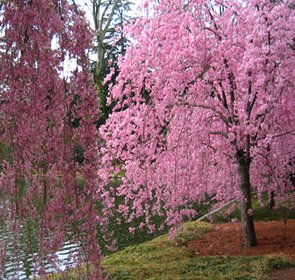
The Higan Japanese Pink Weeping Cherry Tree from DAS Farms is a dormant, bare-root option suitable for ground planting in zones 4–8. It is best for buyers seeking a flowering focal point with a graceful weeping habit and seasonal color in spring. This tree is ideal for landscape borders or entryways where full-to-part sun is available. It’s best to transplant during dormancy and avoid container relocation. A caution: California shipments are bare-root due to state regulations.
Weeping Cherry Tree – 6-12″ Tall Live Plant

This 6-12″ tall weeping cherry seedling comes in a 3″ pot and delivers cascading branches with a profusion of spring blossoms. The plant is best for small spaces or focal plantings where a dramatic, romantic effect is desired. Choose this if you want a compact, flower-forward specimen that can be grown in containers or in the ground with full-to-part sun exposure. A limitation: as a small plant, it may take time to reach mature bloom density.
2 Miniature Weeping Willow Cuttings
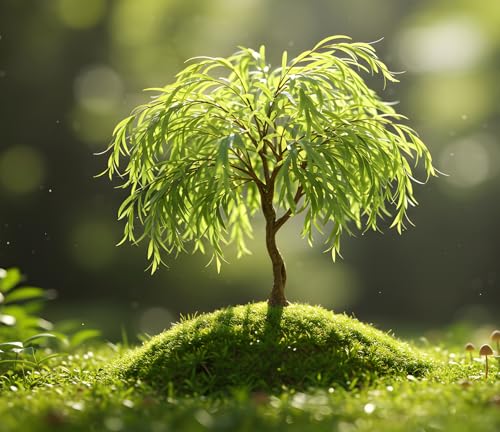
The two miniature weeping willow cuttings offer a fast-growing, easy-to-grow option for bonsai or small-space gardens. Best for bonsai lovers and container enthusiasts, these cuttings can adapt to pots or garden beds, with striking cascading branches that quickly provide visual drama. Use in indoor pots or outdoor spaces; caution: cuttings require consistent moisture and care to establish roots.
Weeping Willow, Deciduous, 2-3 ft Tree

This 2-3 ft weeping willow offers a graceful cascading habit and is well-suited for larger outdoor spaces seeking a dramatic shade tree effect. Best for homeowners who want a fast-growing, deciduous focal point, particularly in moist, well-drained soils. A key limitation: shipping restrictions apply to certain states, so verify eligibility before ordering.
30+ Pink Weeping Sakura Tree Seeds
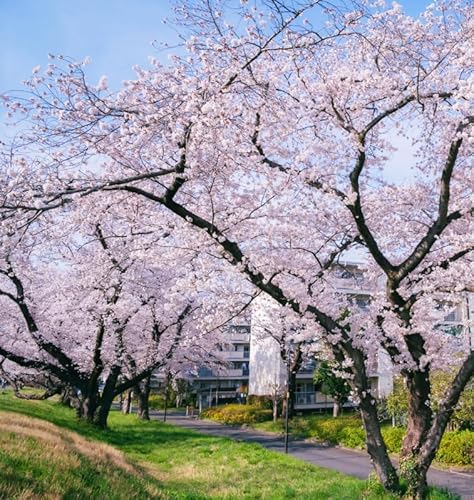
These pink weeping sakura tree seeds are for outdoor planting and are non-GMO heirloom seeds. Best for gardeners who enjoy育 long-term growing projects and want to establish cascading blossoms in spring. The seeds offer a seasonal transformation with elegant, pendulous blooms, but require cultivation time and proper climate conditions to reach flowering maturity.
Buying Guide: Weeping Tree Purchase Considerations
- Plant type and form: Weeping cherries, willows, and sakura trees create dramatic vertical interest. Consider whether you want a flowering focal point, a shade feature, or a bonsai-friendly specimen.
- Site conditions: Assess sun exposure, soil drainage, and moisture. Weeping forms often require full sun and well-drained soil for best architecture and bloom.
- Size and mature dimensions: Match the final size to available space to avoid overcrowding and ensure long-term health.
- Planting method: Bare-root vs. container-grown, especially for winter planting windows and regional shipping rules.
- Climate compatibility: Check USDA hardiness zones and regional restrictions for shipping, especially for certain states or seasons.
- Maintenance needs: Some varieties need regular pruning to maintain the desired cascading shape; others are low-maintenance but may require more moisture management.
Frequently Asked Questions
- What is a weeping standard rose tree?
A: A weeping standard rose tree features a trunk with drooping branches and a crown that creates a cascading effect, often used as a dramatic landscape accent. - Can I plant weeping trees in containers?
A: Some cultivars are suitable for pots, especially smaller seedlings or bonsai-style cuttings; always confirm container compatibility and root space needs. - Do weeping trees bloom every year?
A: Many ornamental weeping trees produce seasonal blossoms, typically in spring, depending on climate and plant health. - Are there shipping restrictions for these trees?
A: Yes, some areas have agricultural or state-specific shipping restrictions; verify eligibility before ordering. - What maintenance do weeping trees require?
A: Pruning to maintain shape, consistent watering, and mulching are common practices; avoid overwatering in poorly drained soils. - Which option is best for small spaces?
A: The 6-12″ weeping cherry seedling or the miniature weeping willow cuttings are suitable for containers or compact gardens, offering dramatic form without large roots.