Answering the question “which stepping stones walkway materials should I choose?” this guide compares popular options by material, durability, and installation ease. It helps homeowners, DIY landscapers, and small business garden designers select stepping stones that stay in place, resist weather, and look natural in yards, patios, and walkways. Each option below is suitable for a different setting—choose rubber for lightweight ease, plastic for inexpensive style, stone-looks for a natural vibe, or recycled rubber for eco-conscious spaces. The quick-reference table highlights each pick’s strongest use case.
| Product | Material Type | Best For |
|---|---|---|
| Sekcen 3 Pack Rubber Stepping Stones | Recycled rubber (simulated flagstone) | Low-maintenance, all-weather areas; casual garden paths |
| MARCHROSE 4Pcs Large Stepping Stones | Weatherproof resin (plastic) | Formal walkways, patios, and defined paths |
Additional picks below cover natural-looking, durable, and eco-friendly options to fit different yard layouts and budgets.
Sekcen 3 Pack Rubber Stepping Stones

Overview: Lightweight, rubber stepping stones designed to mimic flagstone aesthetics without heavy lifting. The pack includes three stones intended for outdoor pathways or garden borders.
Best for: Homeowners seeking an easy-install, weather-resistant path in lawns or compact garden borders. These are especially suitable where you want the look of stone but with simpler handling and portability.
Why selected: They combine an anti-slip surface with weather durability, made from recycled rubber. They stay in place better than loose paver options in light to moderate foot traffic and wet conditions.
Limitations: As lightweight rubber, they may shift under heavy, repeated use or in high-traffic zones; consider additional stabilization if used on slopes or busy walkways.
MARCHROSE 4Pcs Large Stepping Stones
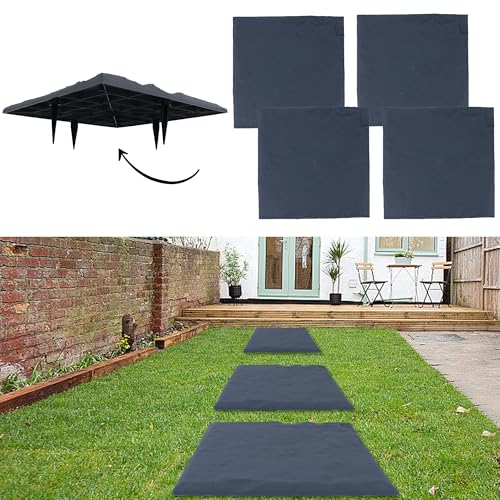
Overview: Four large plastic stepping stones with ground stakes for secure installation. Offered in beige limestone or slate grey finishes, designed for patios, walkways, and garden paths.
Best for: Areas where a defined, more formal path is preferred and you want quick DIY installation with stable, stake-secured ground contact.
Why selected: The four stakes anchor each stone to the ground, reducing movement. The resin construction handles rain, UV exposure, and temperature changes, making it versatile for outdoor climates.
Limitations: Plastic materials may feel less natural underfoot compared with stone or stone-look options; choose this if you prioritize ease and stability over texture realism.
VEVOR Garden Stepping Stones, 4Pcs

Overview: A set of four 15.5 x 15.5 inch resin stepping stones with four ground stakes and a reinforced base for stability. Beige, textured finish blends with landscaping.
Best for: Families with kids and pets who want durable, all-season stepping stones that stay put in rain or shine.
Why selected: The reinforced base and four stakes offer reliable stability, reducing shifting in high-traffic areas. The neutral beige tone pairs with most garden palettes.
Limitations: Resin stones can be more slippery when wet compared to textured rubber or natural stone; avoid very slick surfaces without additional traction features.
TierraVerde 4-Pack 18”x22” Rubber Stones

Overview: A four-pack of 18″ x 22″ grey rubber stepping stones designed for quick, do-it-yourself placement over grass or compacted bases. Durable for year-round use.
Best for: DIY landscapers who want an instant upgrade to walkways with minimal preparation or foundation work.
Why selected: Lightweight installation over existing ground, with weather resistance that resists frost and heat. Quick setup makes it ideal for seasonal refreshes or temporary pathways.
Limitations: Size and weight may require careful handling during transport; ensure the ground is level to prevent rocking on uneven terrain.
Gardener’s Supply Recycled Rubber Swirl Stepping Stone

Overview: A 12″ diameter, 0.75″ thick recycled rubber stepping stone with a faux flagstone design. Sold individually, designed for decorative pathways and garden edges.
Best for: Creating aesthetically pleasing garden walkways with sustainable materials and a classic flagstone appearance.
Why selected: Made from 100% recycled rubber, these stones emphasize sustainability while offering weather resistance and a natural-looking surface.
Limitations: Sold individually, so larger projects will need multiple units; color and texture may vary slightly between stones due to natural variation in recycled materials.
Buying Guide: Choosing the Right Stepping Stone Material
- Foot traffic and stability: For busy paths, choose stones with secure anchoring systems (stakes or frames) and heavier bases. Rubber and resin options offer good stability, while mats or larger stones minimize shifting when anchored properly.
- Ground conditions: Grass, soil, or gravel surfaces benefit from stakes and flexible bases. Ground-stable options like mats or thick slabs work well on compacted bases or concrete—curb potential sinking on soft ground.
- Climate and weather: In freezing temperatures, materials that resist cracking and fading perform best. Resin and heavy-duty rubber resist sun, rain, and frost; natural stone or stone-look options fade less but may require sealing in certain climates.
- Aesthetics and texture: For a natural look, stone, pebble, or flagstone patterns blend with landscapes. Rubber and plastic offer modern, lightweight options and can be easier to customize for color accents.
- Installation effort: If you want a quick DIY project, pre-staked stones or mats reduce prep time. For permanent installations, consider a shallow trench or base to improve longevity and evenness.
- Maintenance: Rubber and recycled materials are typically low-maintenance and easier to clean. Stone-look surfaces may require occasional cleaning to prevent moss or algae in damp areas.
FAQs
- Which stepping stone material lasts longest outdoors? Durable plastics and resins, plus weathered rubber, typically resist cracking and fading with minimal maintenance, especially when exposed to sun and rain over many seasons.
- Do I need to anchor stepping stones? Yes, particularly in high-traffic areas or on soft ground. Stakes or a reinforced base can prevent movement and shifting.
- Are rubber stepping stones safe on wet surfaces? Many rubber stones feature anti-slip textures, improving footing in rain, though always exercise caution on slick soil or mossy patches.
- Can I install stepping stones over grass? Yes. Lightweight stones and mats can be placed directly over grass, but some products benefit from cutting or trimming grass to reduce resistance and ensure level contact.
- Which material looks most natural? Real stone or stone-look designs mimic natural textures closely; natural river rock mats provide an earthy aesthetic that blends with landscapes.
- Is it okay to mix different stepping stones in one path? Yes, mixing textures and colors can create a distinctive path, but maintain a coherent pattern and ensure similar installation methods for stability.