Looking for native seeds that support pollinators and thrive in American gardens? This guide highlights five native seed choices designed for durability, low maintenance, and wildlife-friendly habitats. Each product is selected to suit different gardener types—from beginners seeking easy, throw-and-grow mixes to more devoted restoration enthusiasts aiming for diverse perennial and annual plantings. Read on to compare suitability, growth patterns, and practical considerations so you can pick the best fit for your landscape goals.
| Product | Brand | Best For | Notes |
|---|---|---|---|
| Wildflower Seeds Bulk Mix | PLANTMEW | New meadow gardeners; large coverage | 10,000+ pure seeds; easy scatter |
| Native Wildflower Seeds 24 Variety Pack | SURVIVAL GARDEN SEEDS | Pollinator-friendly mixed perennial/annual beds | Diverse native species |
| Milkweed Variety Pack | SunHaven Seeds | Monarch habitat restoration | 5 essential Asclepias species |
| White Sage Seed | Sow Right Seeds | Herbs and ceremonial uses | Native California sage; indoor/outdoor |
| Dense Blazing Star Pack | SURVIVAL GARDEN SEEDS | Late-season pollinator habitat | GaHF: Liatris spicata |
Wildflower Seeds Bulk Mix — 10,000+ Native Varieties

The Wildflower Seeds Bulk Mix by PLANTMEW is designed for creating a broad, nectar-rich meadow in backyards. Best for beginners and gardeners wanting a high-coverage display, this 30-gram packet claims 10,000+ live seeds across 25 wildflower varieties. It supports pollinators—including bees, butterflies, and hummingbirds—and promises a quick, throw-and-grow experience with minimal soil preparation. Use this when you want a dramatic color show with less planning and maintenance.
Who it’s best for: new meadow beginners, homeowners seeking immediate ecological impact, and those with space for a bold, dense bloom display. Why selected: high seed count and a curated mix of nectar-rich species help establish a diverse, wildlife-friendly habitat quickly. Quantities support coverage of roughly 100 square feet. Caution: results depend on soil prep and climate, and dense sowing can lead to crowding if not thinned after sprouting.
Key features to note:
- 25 diverse varieties for a natural meadow look
- Over 10,000 live seeds, no fillers
- Easy scatter method suitable for most skill levels
Native Wildflower Seeds 24 Variety Pack

This 24-plant-pack from SURVIVAL GARDEN SEEDS emphasizes a mix of perennials and annuals native to North America. It’s built to support pollinators, birds, and beneficial insects while improving soil structure and reducing erosion. The collection includes species such as New England Aster, Purple Coneflower, Black-Eyed Susan, Coreopsis, Milkweeds, and various grasses, offering height and texture variety for naturalized beds and pollinator corridors. Best for: gardeners seeking a balanced, regionally resilient native garden with ecological benefits.
Why selected: a broad native palette increases year-round interest and resilience. It’s designed to thrive in full sun to light shade, and drought tolerance supports low-water landscapes. Caution: some varieties may require occasional maintenance to prevent dominance by vigorous species. Use in combination with other native seedings for optimal diversity.
Milkweed Variety Pack for Monarch Gardens
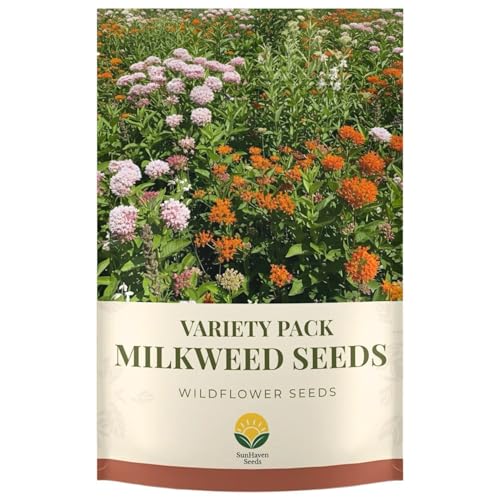
The SunHaven Seeds Milkweed Variety Pack provides five essential Asclepias species: Common, Showy, Pink Swamp, Narrowleaf, and Orange Butterfly Milkweed. This assortment supports monarch butterfly life stages by offering a diverse host plant palette. Best for monarch habitat restoration, wildflower meadows, and community planting projects that aim to sustain pollinators. Non-GMO and garden-ready with seed counts designed for backyard applications. Caution: some species prefer specific soil moisture levels; pairing with drought-tolerant companions helps balance water needs.
Why selected: targeted monarch hosting supports a key pollinator lifecycle. It’s a focused seed kit that helps establish a resilient, nectar-providing network around monarch habitats. Use this if you want to emphasize butterfly hosting and native nectar sources in a defined garden area.
White Sage Seed — Native California Herb
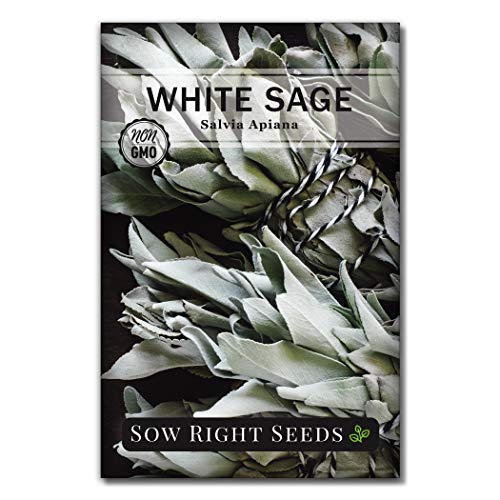
The White Sage Seed from Sow Right Seeds offers a traditional Native American herb that can be grown indoors or outdoors. This self-contained packet provides a practical option for cooks, herbalists, or ceremonial growers who want a drought-tolerant, aromatic plant with decorative blue flowering spikes. Plant 1/4 inch deep and space about 15 inches apart in partial shade for best results. It matures around 75 days in suitable USDA zones. Best for: edible herb gardens, ceremonial uses, and pollinator-friendly pathways that include native sages.
Why selected: a culturally significant native herb with straightforward growth requirements. It pairs well with broader native plantings and can tolerate partial shade. Caution: sage plants can become woody if over-pruned or crowded; ensure adequate air circulation and spacing to prevent disease.
Dense Blazing Star Pack — Liatris spicata
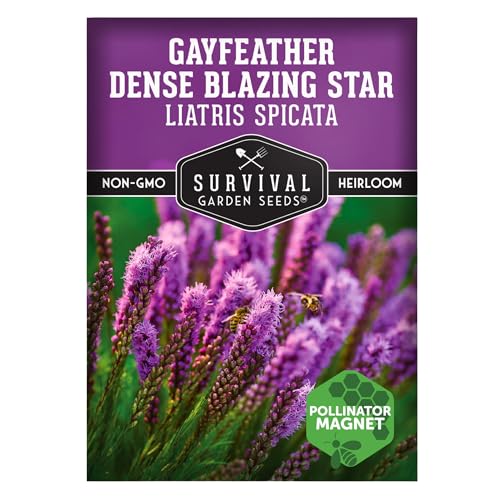
The Dense Blazing Star Seed Pack focuses on Liatris spicata, commonly called gayfeather. It is a drought-tolerant perennial prized by pollinators, especially bees and butterflies, and is known for striking 3- to 4-foot purple blooms from mid-summer into early fall. Suitable for pollinator gardens, prairie restoration, rain gardens, and xeriscaping. Best for: late-season habitat with tall, dramatic flower spikes. Caution: may require thinning to avoid overcrowding in small spaces.
Buying Guide: Native Garden Seeds To Suit Your Landscape
- Assess your climate and soil: Choose mixes that specify drought tolerance and sun exposure compatible with your region (e.g., prairie, coastal, or woodland settings).
- Balance annuals and perennials: Annuals provide quick color, while perennials offer long-term habitat stability. A mixed approach often yields the best pollinator support over multiple seasons.
- Pollinator goals: If Monarch habitat is a priority, include milkweeds and nectar plants. For hummingbird gardens, prioritize nectar-rich blooms and late-season bloomers.
- Maintenance level: Consider throw-and-grow mixes for easy setups, or curated species lists for targeted habitat restoration with ongoing management needs.
- Soil preparation: Clearing competing vegetation and loosening compacted soil improves germination rates for many native seeds.
- Water strategy: Native seeds vary in water needs. Group plants by similar irrigation to simplify care and reduce waste.
Frequently Asked Questions
- What is the best native seed mix for beginners?
A large, easy-to-throw mix with high germination and 1–2 goal species tends to work well for beginners, such as the Wildflower Seeds Bulk Mix designed for quick meadow establishment. - Which seeds support monarch butterflies?
Milkweed species are essential, including common and showy milkweed. A five-species milkweed pack provides diverse host plants for monarchs. - Can I plant native seeds in shaded areas?
Some native seeds tolerate light shade, but many meadow and prairie species perform best in full sun. Check species-specific requirements for best results. - How long does it take for native seeds to establish?
- Are native seeds resistant to pests?
Perennial natives may take a growing season to establish, while some annuals germinate in 10–30 days. Expect blooms across multiple seasons depending on species.
Many native seeds are adapted to local conditions and pests, often showing natural resilience. A balanced planting with diverse species can reduce pest pressure.
| Product | Best For | Key Benefit | Limitations |
|---|---|---|---|
| Wildflower Seeds Bulk Mix | Beginners; large coverings | High seed count; quick meadow | Results vary with soil |
| Native Wildflower Seeds 24 Variety Pack | Balanced pollinator garden | Diverse native species | Maintenance for variety balance |
| Milkweed Variety Pack | Monarch habitat | Five essential milkweed species | Some species require specific moisture |
| White Sage Seed | Herbs and ceremonial uses | Native sage with aroma | Crowding can reduce vigor |
| Dense Blazing Star Pack | Late-season pollinator gardens | Bold purple blooms | May need thinning in small spaces |
These five seeds options address a range of native gardening goals, from quick visual impact to long-term oasis creation for pollinators. By selecting a mix that aligns with your climate, sun exposure, and water availability, you can build a resilient, wildlife-friendly landscape that remains low maintenance over time.