Choosing the right soil is essential for healthy growth and vibrant lifelike form in a Chinese Elm bonsai. The ideal mix provides drainage, aeration, and balanced moisture retention to support long-term root health. The following soil blends are among the most commonly recommended options for evergreen deciduous bonsai like Chinese Elm, offering different textures and nutrient profiles to suit various indoor and outdoor setups. This guide highlights five strong choices and explains how to compare them for your tree’s needs.
| Product | Brand | Key Focus |
|---|---|---|
| Deciduous Bonsai Soil Blend Mix | Bonsai Outlet | Natural blend with akadama, pumice, expanded slate, charcoal |
| Bonsai Soil by Perfect Plants | PERFECT PLANTS | Multi-purpose organic blend with long-term nutrient supply |
| Bonsai Soil All Purpose Mix | JK Global Imports | Fast-draining mix with pumice, lava, calcined clay, pine bark |
| Premium Bonsai Soil Mix for Indoor Bonsai | Agra Life | Organic blend designed for indoor varieties |
| The Soil Sage Premium Bonsai Mix | The Soil Sage | Pumice, lava rock, akadama blend with pine bark fines |
Each of these blends targets well-draining, aerated soil that prevents waterlogging while providing adequate nutrients. Your choice may depend on whether the Chinese Elm bonsai is kept indoors or outdoors, how often you water, and the root development stage. The following product sections provide specifics to help you compare options side by side.
Deciduous Bonsai Soil Blend Mix

This Bonsai Outlet blend is designed for deciduous species, including elms. It combines akadama with pumice, expanded slate, and horticultural charcoal to offer a well-drained profile that still holds moisture for steady growth. The blend is particularly suitable for trees that need robust drainage to prevent root rot during warmer months. The product notes emphasize its suitability for Japanese Maples, elms, beeches, and other deciduous bonsai, which includes Chinese Elm when grown in appropriate climates. For best results, monitor soil moisture and adjust watering based on seasonal needs and indoor humidity.
Bonsai Soil by Perfect Plants

Perfect Plants offers a multi-purpose organic bonsai soil mix designed to support long-term growth. The blend emphasizes essential nutrients and moisture management, making it suitable for a range of bonsai varieties, including conifers and deciduous trees like Chinese Elm. The mix is described as living, with continuous nutrient availability. It’s ideal for bonsai enthusiasts who want a ready-to-use option that reduces the need for frequent amendments. Regular checks for drainage and root health remain important, especially with indoor setups where humidity can alter moisture retention.
Bonsai Soil All Purpose Mix
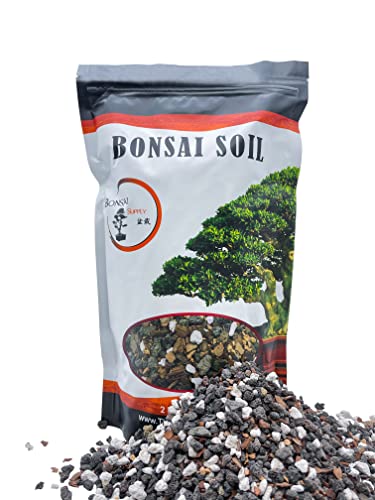
JK Global Imports markets a fast-draining all-purpose bonsai mix designed to provide optimal drainage, pH balance, water retention, and nutrient uptake. The blend contains pumice, lava, calcined clay, and pine bark—elements that promote aeration and prevent soil compaction. It’s positioned as versatile for many bonsai and container-grown plants, which makes it a solid general-purpose option for a Chinese Elm bonsai. The prep work is minimal since it is pre-mixed and ready to use, reducing troubleshooting time for beginners and intermediate growers alike.
Premium Bonsai Soil Mix For Indoor Bonsai

Agra Life’s Premium Bonsai Soil Mix is designed specifically for indoor bonsai varieties, delivering balanced drainage and aeration to support steady root growth. The blend emphasizes organic ingredients, offering a safe, chemical-free environment suitable for home use. For a Chinese Elm kept indoors, this soil can help maintain moisture without waterlogging, supporting a healthy root zone during periods of lower ambient rainfall or controlled humidity. Regular monitoring and occasional repotting are recommended as the tree matures.
The Soil Sage Premium Bonsai Mix

The Soil Sage offers a premium blend that combines pumice, lava rock, akadama, and pine bark fines to provide a high-drainage environment with strong root penetration. This mix aims to support robust root development while retaining enough moisture to prevent rapid drying between waterings. It’s a strong option for Chinese Elm bonsai grown in well-lit indoor or sheltered outdoor spaces where heat and dryness may cause faster soil drying. As with all bonsai soils, adjust watering frequency to the tree’s response and seasonal changes.
Buying Guide: Key Purchase Considerations
- Drainage vs. moisture retention: Elms prefer well-drained soil. Look for mixtures with volcanic materials (pumice, lava rock) and akadama for structure and aeration, while ensuring they also retain enough moisture during dry periods.
- Indoor vs. outdoor use: Indoor bonsai soils should minimize humidity buildup and provide stable moisture. Outdoor mixes often have more drainage to handle rainfall and prevent root rot during wet seasons.
- Nutrient content: Some blends include organic nutrients or long-term feeding properties. Decide if you want a ready-for-use mix or one that requires more frequent fertilization.
- Root development: For younger trees, looser, fast-draining blends help establish roots. For mature trees, you might opt for blends with greater moisture retention to support sustained growth between repotting.
- Repotting frequency: Soils with larger particle sizes improve aeration and may extend repot intervals, while finer blends can support rapid nutrient uptake but may require more careful moisture management.
- Availability and compatibility: Ensure the chosen mix is readily available for quick replenishment and compatible with your bonsai care routine, including watering practices and light exposure.
When selecting soil for a Chinese Elm bonsai, consider your climate, whether the tree is kept indoors or outdoors, and how often you water. Combining a high-drainage mix with a careful watering regimen will support a healthy, compact, and attractive bonsai form. For best results, monitor root health after repotting and adjust the soil choice if signs of overwatering or underwatering appear.