When growing herbs, you need spray solutions that protect without harming the plants or the harvest. This guide focuses on ready-to-use, plant-safe options that work well on herbs like basil, thyme, parsley, and cilantro. Below are five top picks, each with a clear use case and practical limitations. The buyer’s guide explains key factors to consider and how to choose the right spray for your herb garden. A quick comparison table is included to help you decide at a glance.
| Product | Best Use | Herb-Friendly Note |
|---|---|---|
| Bonide Captain Jack’s Neem Oil | Mites, aphids, mildew and other common garden pests | Three-in-one fungicide, miticide, and insecticide |
| BioAdvanced Organic Tomato, Vegetable & Fruit Plant Bug Spray | Aphids, caterpillars, spider mites on edibles | Fast-acting contact spray |
| Garden Safe Insecticidal Soap | Soft-bodied insects on ornamentals and edibles | No mixing required; direct contact needed |
| Earth’s Ally 3-in-1 Plant Spray | Broad pest and disease control | Botanical oils; safe for pollinators |
| Natria Neem Oil Spray | Insects and powdery mildew on houseplants and gardens | Ready-to-use trigger sprayer |
Bonide Captain Jack’s Neem Oil для Herbs
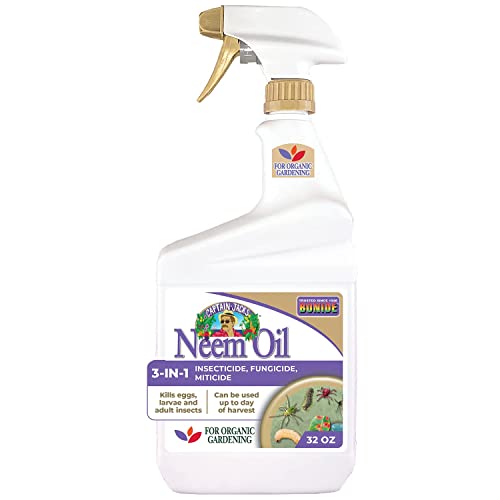
Bonide Captain Jack’s Neem Oil is a versatile, ready-to-use spray designed for organic or near-organic gardens. It combines fungicidal, miticidal, and insecticidal properties, making it a practical choice for herbs that face a range of pests and diseases. This product is especially suitable for herb growers who want a single solution that covers multiple threat types, including mites and powdery mildew. The ready-to-use format supports immediate application, including use up to harvest in many cases. However, Neem oil can leave minor residue or a slight odor on certain herbs if applied in warmer weather or under bright sun. Best for herb owners seeking a three-in-one treatment without complex mixing. Choose this if you want broad coverage with one spray for both pests and fungal threats.
Best for: Herb gardeners dealing with mites, powdery mildew, and general pests who prefer an all-in-one spray.
Limitations: May require careful timing to avoid leaf burn in hot conditions; test on a small leaf area first if concerned about sensitivity on delicate herbs.
BioAdvanced Organic Bug Spray For Edibles
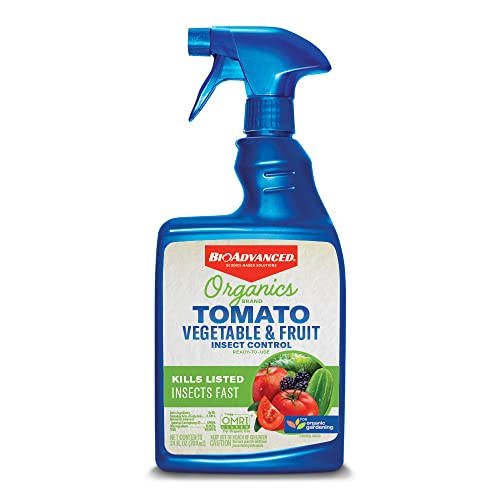
BioAdvanced Organic Tomato, Vegetable & Fruit Plant Bug Spray is formulated to protect edibles, including herbs, from a range of pests such as aphids and spider mites. This spray acts by contact to halt feeding quickly, which helps minimize damage to fresh herb growth. It’s positioned for vegetables, fruit trees, and edible herb applications, making it a practical option for herb beds or container herb gardens destined for food use. The product is best for immediate knockdown of pest activity on herbs, with a straightforward spray approach. Limitations include potential resistance in heavily infested spots or the need for repeat applications to sustain protection. Choose this if you want fast, contact-based pest control that’s safe for edible harvests.
Best for: Herbs facing aphids, caterpillars, or spider mites where rapid, contact-based action is desired.
Limitations: Repeat applications may be necessary for ongoing pressure; avoid applying during peak heat to reduce phytotoxic risk on sensitive herbs.
Garden Safe Insecticidal Soap For Herbs

Garden Safe Insecticidal Soap is a ready-to-use option that works through direct contact to kill soft-bodied pests. It’s well-suited for herbs grown indoors or outdoors, including leafy herbs that can be sensitive to harsh treatments. Since it requires direct contact, thorough coverage—especially on the undersides of leaves—is key for effectiveness. This product is a good choice for growers who want a simple spray with minimal risk to beneficial insects when used as directed. A limitation is that the product depends on getting pests hit directly, so some infestations may require repeated applications. Choose this if you prefer a non-toxic, contact-based control for soft-bodied pests on herbs.
Best for: Herb growers needing a gentle, contact-based insecticide for soft-bodied pests.
Limitations: Effectiveness relies on thorough coverage; may require multiple applications for ongoing pest pressure.
Earth’s Ally 3-in-1 Plant Spray

Earth’s Ally 3-in-1 Plant Spray combines insecticidal, miticidal, and fungicidal action in a single bottle. This organic-friendly formula relies on a synergistic blend of botanical oils to disrupt pests while supporting plant health. It is designed to control common pests such as spider mites, aphids, and whiteflies, and it also helps prevent powdery mildew and other diseases. Best for herb gardeners who want a broad-spectrum, plant-safe spray with pollinator-friendly attributes. A potential limitation is that results can vary with pest pressure and plant stage, so follow the label directions for timing and application intervals. Choose this if you want a versatile spray that addresses pests and diseases with botanical ingredients.
Best for: Herbs needing broad pest and disease protection with a plant-safe, botanic formulation.
Limitations: Efficacy depends on proper coverage and environmental conditions; some pests may require additional measures.
Natria Neem Oil For Herbs And Home Gardens

Natria Neem Oil Spray combines insecticidal and fungicidal action in one ready-to-use bottle. It is designed to control a range of pests, including aphids, whiteflies, and spider mites, while also preventing common diseases such as powdery mildew and black spot. The ready-to-use trigger simplifies application, making it convenient for herb plant owners who prefer quick, on-demand treatment without mixing. A potential limitation is that Neem oil can occasionally leave a light film on delicate herb leaves if applied under hot conditions. Choose this if you want a ready-to-spray neem-based option that targets both pests and diseases on herbs.
Best for: Herb gardeners seeking an easy, ready-to-use neem-based spray with both insecticidal and fungicidal action.
Buying Guide: Key Considerations For Herb Sprays
What should you look for when choosing a bug spray for herbs?
- Active ingredients: Neem oil, insecticidal soaps, and botanical oil blends offer different pest spectra. Neem is versatile for mites and fungi, while soaps target soft-bodied insects.
- Mode of action: Contact sprays require direct coverage; systemic or preventive products reduce outbreaks over time. Consider your pest profile to pick the right approach.
- Harvest timing: Some sprays are labeled for use up to harvest. If you harvest frequently, choose products with clear guidance for edible plants.
- Plant safety: Herbs can be sensitive to oils and soaps. Look for formulations specifically labeled for herbs or edible crops to minimize phytotoxic risk.
- Application ease: Ready-to-use sprays save mixing time and reduce handling, which is ideal for home herb gardens and container setups.
Practical How-To: Using Bug Sprays On Herbs
1) Read the label to confirm edible use and harvest intervals. 2) Test on a small leaf area before full application to check for sensitivity. 3) Spray thoroughly on both sides of leaves where pests hide. 4) Reapply as directed, especially after rain or heavy pest pressure. 5) Monitor plants after treatment and adjust future applications if needed.
FAQ
- Can I spray neem oil on edible herbs? Yes, but follow label directions for edible crops and harvest timing to minimize residue concerns.
- How often should I reapply after treating herbs? Reapply as directed by the product label, typically after rain or when pests reappear, observing any pre-harvest or withholding guidance.
- Are insecticidal soaps safe for all herbs? They are generally safe for many herbs, but avoid applying during peak heat to prevent leaf burn on sensitive varieties.
- Which spray is best for powdery mildew on herbs? Neem oil-based or botanical oil blends often help with powdery mildew, but ensure the product lists mildew control for edible crops.
- Can I use multiple sprays on the same herb bed? It’s best to rotate products to minimize resistance and reduce phytotoxic risk; check compatibility on labels before mixing.
- What is the advantage of ready-to-use sprays? They save time, reduce handling, and are convenient for frequent spraying on small herb plantings.
- Summary: The five products above cover a spectrum of pests and diseases common to herbs. Neem-based options provide multi-task control, while insecticidal soaps offer direct-contact action. Botanical oil blends add safety for edible plants, and ready-to-use formats simplify routine applications.