Find the right Japanese umbrella pine seeds for your climate and landscape goals. This guide highlights five well-suited options, explains who each seed set is best for, and provides practical buying considerations. Whether you want edible pine nuts, bonsai potential, or a striking evergreen backdrop, these selections help you choose with confidence.
Summary table of selected products:
| Product | Best For | Key Note |
|---|---|---|
| 10 Japanese Black Pine Tree Pinetree Evergreen Pinus Thunbergii Seeds (Seedville) | Medium to large landscape trees; drought-tolerant once established | Hardiness zones 5-10; height 20-30 ft |
| TomorrowSeeds Stone Pine Tree Seeds | Edible pine nuts; Mediterranean-style canopy | Umbrella canopy; drought-tolerant in warm climates |
| Japanese Pine Bonsai Tree Seeds (CZ Grain) | Bonsai beginners; compact growth | 30 seeds; giftable packaging |
| Big Pack Japanese Black Pine Seeds (MySeeds.Co) | High-volume planting; non-GMO seed selection | Up to 40 m tree height in natural range |
| 50 Seeds Japanese Black Pine Seeds (PeavyTailor) | Authentic bonsai specimens; evergreen foliage | High-quality seeds; traditional species |
10 Japanese Black Pine Tree Pinetree Evergreen Pinus Thunbergii Seeds
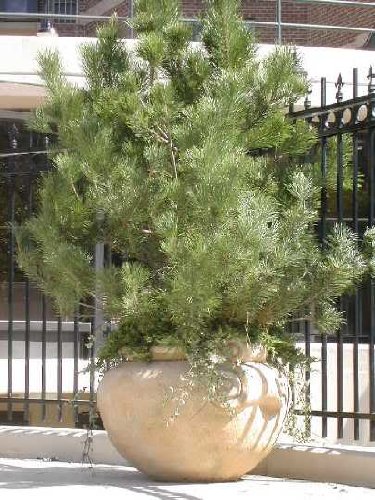
Seedville offers evergreen seeds suited for gardeners who want classic Japanese black pine traits in their landscapes. The listing notes hardiness in zones 5-10 and a potential mature height of 20-30 feet, making this option appropriate for medium to larger yards. Best for buyers who want reliable, traditional pine structure and a straightforward growing path to establish a robust evergreen screen or focal tree over time.
Who this is best for: landscape designers and home gardeners seeking a traditional pine with clear growth expectations and a strong, sculptable silhouette. Why selected: well-known evergreen variety with a proven hardy range for varied American climates.
Caution: seed germination can vary with season and local microclimates; ensure proper stratification and moisture during early growth.
TomorrowSeeds Stone Pine Tree Seeds

TomorrowSeeds’ Stone Pine seeds emphasize a distinctive umbrella canopy and edible pine nuts, making this option attractive for culinary-minded gardeners and those wanting a striking Mediterranean look. The seeds are described as thriving in warm, dry climates and showing drought tolerance once established. This choice is best for growers who want a decorative, edible addition to a sunny landscape or patio garden.
Who this is best for: food gardeners and landscape enthusiasts aiming for a canopy feature with practical nut harvest potential. Why selected: combines ornamental shape with edible nut production, in suitable dry-to-warm environments.
Caution: best results occur in climates with ample sun; may require irrigation during establishment in hotter regions.
Japanese Pine Bonsai Tree Seeds for Planting (CZ Grain)

CZ Grain’s collection focuses on bonsai potential with 30 seeds, making it suitable for beginners who want a compact project and a traditional Japanese pine look. The package’s gift-ready presentation plus US sourcing is convenient for hobbyists and gift buyers. Best for hobbyists who prefer a structured starter kit for bonsai-style growth in pots or trays before transplanting outdoors.
Who this is best for: bonsai hobbyists and beginners seeking a manageable, decorative pine start. Why selected: explicit bonsai intent with clear directions and US packaging.
Caution: bonsai success depends on careful pruning, wiring, and patience; not all seeds will immediately yield true-to-form miniature trees.
Big Pack Bonsai Tree Seeds — Japanese Black Pine (MySeeds.Co)

MySeeds.Co bundles a large pack of Japanese Black Pine seeds, offering a non-GMO option with a broad viability window for the typical growing season. The listing emphasizes potential for significant mature size in natural ranges and notes salt and pollution resistance—traits that support urban or coastal plantings. Best for bulk planting projects or teaching planting from seed in schools or community gardens.
Who this is best for: large-scale projects, urban planners, and educators seeking dependable, high-volume seed stock. Why selected: big pack advantage, non-GMO assurance, and resilience traits.
Caution: high germination rates do not guarantee uniform seedling performance; monitor thinning and pruning to shape the final grove.
50 Seeds Japanese Black Pine Tree Seeds (PeavyTailor)
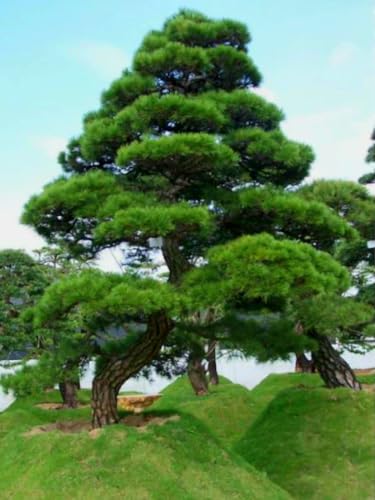
PeavyTailor’s 50-seed package targets authentic bonsai cultivation with evergreen foliage and the classic dark bark of Pinus thunbergii. This option is well-suited for hands-on growers who plan careful shaping and long-term care to achieve traditional bonsai aesthetics. Best for those who prioritize species fidelity and traditional bonsai value in a compact seed set.
Who this is best for: serious bonsai practitioners and hobbyists focusing on classic Japanese pine forms. Why selected: emphasis on authentic bonsai characteristics and a substantial seed count.
Caution: bonsai artistry requires consistent pruning, soil management, and light exposure; not every seed will follow the same growth path.
Buying Guide: Japanese Umbrella Pine Seeds
What climate and hardiness should I consider?
Look for zones that match the listed hardiness ranges. Some varieties tolerate cold seasons (like zone 5) while others prefer warmer, drier conditions. If you live in a wet, cool region, choose seeds noted for resilience in moisture and cooler nights.
Which seed quantity and packaging fit my project?
For large landscape plantings, big packs and bulk seeds offer cost efficiency. For bonsai or hobby projects, smaller, curated seed packs or those marketed for bonsai are a better fit, with added growing guidance.
Edible or ornamental—what matters most?
Stone pine seeds offer edible pine nuts and ornamental canopy structure, appealing to culinary-minded growers. If you want a traditional evergreen backdrop, Japanese black pine varieties provide classic needle growth and sculptural potential for shaping.
Germination and care considerations
Seed germination depends on proper stratification, moisture, and light. Begin seeds in trays or pots with well-draining soil, provide bright light, and maintain lightly moist conditions until seedlings establish. Transplant outdoors only after strong seedling growth.
What are potential limitations to expect?
Several seed sets may show variable germination rates driven by seed freshness or storage conditions. Bonsai-focused packs may require more hands-on pruning and training to achieve traditional forms. Urban planting may demand salt or pollution tolerance considerations for some varieties.
Comparison at a glance
- Best for large landscapes: Seedville 10 Japanese Black Pine Seeds or MySeeds.Co Big Pack for bulk planting.
- Best for edible nuts: TomorrowSeeds Stone Pine Seeds.
- Best for beginners or gifting: CZ Grain Japanese Pine Bonsai Seeds.
- Best for authentic bonsai aesthetics: PeavyTailor 50 Seeds Japanese Black Pine.
Frequently Asked Questions
- What is the best seed for bonsai beginners? Answer: Seeds marketed for bonsai and beginner-friendly care instructions help starting a bonsai project, such as CZ Grain’s offering, which includes growing directions.
- Do Japanese umbrella pines grow in typical home gardens? Answer: Yes, with adequate sun, well-draining soil, and appropriate pruning, many varieties can establish in home landscapes or containers.
- Can these seeds provide edible nuts? Answer: Some varieties, like Stone Pine seeds, are noted for producing edible pine nuts as part of their canopy growth.
- How long does it take to see growth from seed? Answer: Seed-to-seedling timelines vary; many pine seeds germinate within weeks to months, followed by gradual establishment over seasons.
- Is there a risk of invasive behavior? Answer: Most garden seed offerings are non-invasive and intended for home cultivation; check local guidelines if planting in new ecosystems.
- What maintenance is required after planting? Answer: Lightly moist soil, bright light, occasional pruning for bonsai varieties, and protection from extreme drying winds.