Answering the search for blue corn seeds that perform well in home gardens, this guide highlights five top options. These varieties are selected for visual appeal, yield potential, and adaptability across typical American growing zones. Ideal buyers include culinary enthusiasts seeking blue corn flour or tortillas, ornamental gardeners wanting striking blue ears, and hobbyists aiming for authentic, heirloom flavors. Below you’ll find a quick product snapshot, detailed sections for each seed, a practical buying guide, and common questions answered.
| Product | Best For |
|---|---|
| Sow Right Seeds – Blue Hopi Corn | Blue corn flour and decorative ears |
| Harley Seeds – 100 Glass Gem Corn Seeds | Ornamental and edible, striking jewel-toned corn |
| Colfax Grain – Blue Hopi Corn Seeds | Traditional heirloom blue corn for flour and décor |
| SURVIVAL GARDEN SEEDS – Blue Hopi | High-yield, drought-tolerant, for home gardens |
| Thresh Seed Co. – Black Mexican Sweet Corn | Unique purple kernels, for novelty and flavor |
Blue Hopi Corn Seed for Planting – Non-GMO Heirloom

Best for traditional blue corn flour and ornamental ears, this Sow Right Seeds packet emphasizes a large, premium seed lot with robust germination. The variety features blue-black ears with reddish-purple tassels that stand out in summer gardens. Planting guidance notes 65-75°F soil temperatures with 1 inch deep sowing and 8-12 inch spacing, yielding plants that reach 5-6 feet tall and 1-2 feet spread. Ears mature in 75-100 days and suit USDA zones 3–12. Drought tolerance adds reliability in variable summers.
Why chosen: This blue Hopi corn is a proven heirloom option, well-suited for tortillas, blue cornmeal, and decorative uses. It combines vigorous growth with practical harvest timing, making it a solid all-around pick for beginners and seasoned gardeners alike. Caution: Pollination requires nearby corn plants or multiple rows to ensure full ears.
100 Glass Gem Corn Seeds – Ornamental and Edible

Best for dramatic garden displays and experimental cooks, this Harley Seeds option delivers colorful, jewel-like kernels. Expect tall plants (8-10 feet) with 1-2 ears per stalk and ears reaching 6-8 inches. Planting requires soaking seeds 24-48 hours and starting indoors 2-3 weeks before transplanting. Since kernels are multi-tone, pollination in clusters rather than rows is recommended to maintain color consistency. Harvest typically around 110 days.
Why chosen: The ornamental appeal of Glass Gem corn is unmatched, providing both visual impact and edible potential. It’s especially attractive for fall displays and unique kitchen experiments. Caution: Because seeds are sold in lots of 100 to encourage pollination, planting in larger blocks is advised to avoid sparse ears.
Blue Hopi Corn Seeds For Planting – 80 Seed Packet

Best for authentic American heritage cultivation, these seeds come from a Missouri farm, reflecting careful selection and non-mass-produced sourcing. Open-pollinated and non-GMO, the variety is described as traditional blue-purple ears ideal for blue cornmeal, flour, tortillas, roasting, or decorative displays. It grows in USDA Zones 3–12, making it a versatile choice for many American gardeners seeking genuine blue corn.
Why chosen: Farm-sourced, heirloom quality offers a real connection to historic blue corn varieties. Caution: Open-pollination means planting in blocks helps maintain uniform ear color and quality across the patch.
Blue Hopi Corn Seeds – Non-GMO Heirloom

Best for high-yield and drought resilience, this Survival Garden Seeds option emphasizes a long-standing Hopi heritage with tall stalks and two to three ears per plant. The seeds are described as nutritious and versatile, suitable for fresh eating, flour, or traditional dried products like cornmeal and tortillas. The variety supports sustainable home gardening with good kernel density and flavor, and it can be stored as blue flour or cornmeal.
Why chosen: Strong drought resistance and a robust harvest profile make this a dependable option for drier growing seasons. Caution: Data notes high-yield potential, but actual yield depends on pollination and spacing in your garden.
Black Mexican Sweet Corn – 50 Seeds

Best for novelty and flavor, Black Mexican Sweet Corn features distinct purple kernels and a sweet profile, maturing around 75 days. Easy to grow with abundant pollen required for kernel development, ears are typically ready 8 weeks after planting. This variety provides an eye-catching addition to gardens and an unusual option for home chefs experimenting with color in corn dishes.
Why chosen: Unique color and reliable harvest time make it a standout choice for gardeners seeking something different. Caution: Purple kernels may differ in flavor and texture from traditional yellow sweet corn; some cooks prefer mixing with standard varieties for texture balance.
Sow Right Seeds – Rare Corn Seed Collection

Best for gardeners seeking variety and a mix of colors, this collection includes Blue Hopi, Strawberry Popcorn, and Hickory King White Corn. Each packet provides an opportunity to grow classic and unusual corn varieties with tall stalks and multiple ears per stalk. The blend supports ornamental display and culinary uses, including white kernels for old-fashioned flavor and blue kernels for blue flour experiences.
Why chosen: A compact way to experiment with different corn types in one garden, enabling direct comparison of flavor, color, and ear development. Caution: Each variety has its own maturation timeline; plan staggered planting if you want a continuous harvest.
TomorrowSeeds – Double Red Sweet Corn
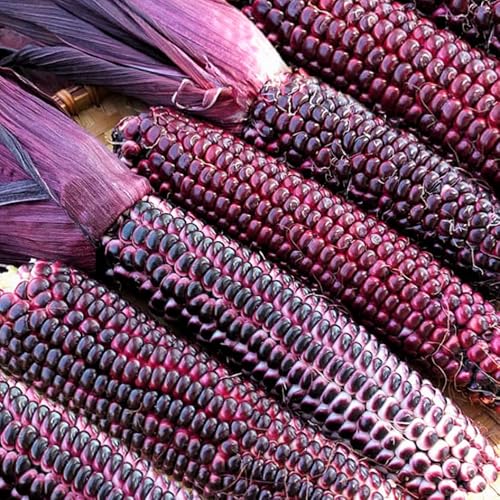
Best for ornamental red hues and sweet eating, this TomorrowSeeds option features deep red kernels and leaves that add bold color to the garden. The variety promises tender, sweet corn that is enjoyable fresh from the cob, contributing a striking addition to any corn collection. It stands out among traditional options for gardeners seeking a visually dramatic crop to diversify a plot.
Why chosen: Colorful, flavorful, and distinct; a good fit for gardeners who want both taste and visual impact. Caution: Red-kernel varieties can have different sweetness levels; expect variation compared to standard yellow corns.
Buying Guide: How To Pick The Right Blue Corn Seeds
What should you consider before buying blue corn seeds?
- Purpose: Decide whether you want flour, tortillas, fresh corn, or ornamental displays. Some varieties favor culinary uses; others emphasize color and landscape impact.
- Pollination: Corn is wind-pollinated. Plant in blocks or clusters to ensure full ears and color consistency, especially for ornamental cobs like Glass Gem.
- Growing Season: Check days to maturity (typical blue corn ranges from 75–110 days). Choose varieties that fit your frost-free window.
- Water and Drought Tolerance: Some blue corn lines perform better in drier summers. If you have limited irrigation, prioritize drought-resistant options.
- Index of Hardiness: Confirm your USDA zone compatibility. Most blue corn varieties adapt across a broad range, but microclimates matter.
- Open-Pollination vs. Hybrid: Heirloom and open-pollinated seeds often offer richer flavors and stable colors, though yields may vary with pollination conditions.
Practical Tips For Planting And Harvest
- Prepare soil with compost and ensure full sun exposure for best ears and color development.
- Soak seeds before planting when possible to improve germination rates for some varieties.
- Space plants according to each variety’s growth habit to support air circulation and reduce disease risk.
- Monitor for pollination windows and avoid overcrowding to maximize ear development and kernel density.
Frequently Asked Questions
- What makes blue corn different from white or yellow corn?
Blue corn contains pigments that give its kernels a blue-purple hue and may offer a slightly nutty flavor. It is often used for flour, tortillas, and decorative purposes.
- Do blue corn varieties require special care?
Most blue corn varieties do well with standard vegetable garden care. Some may benefit from mulching to retain moisture in hot climates and from planting in blocks for better pollination.
- Can I eat ornamental blue corn varieties?
Yes. Many are edible and suitable for culinary uses, though flavor and texture can vary. Some are primarily decorative, so taste testing is recommended to determine suitability for your preferred dishes.
- How long does it take blue corn to mature?
Days to maturity vary by cultivar, generally ranging from about 75 to 110 days from transplanting to harvest, depending on climate and soil conditions.
- Is blue corn seed non-GMO?
Many seed packets labeled as blue corn are non-GMO, but always verify the label if this is important to you, as some seed collections may include hybrids.
- Can I grow multiple blue corn varieties together?
Yes. Planting in blocks with several varieties can enhance pollination and color variety, but ensure you monitor differences in maturation times to plan staggered harvests.