Looking for a white shade cloth roll to block sun while maintaining airflow? This guide highlights five top picks that balance light filtration, durability, and ease of installation. Each product is suited to specific buyers—fence privacy seekers, greenhouse growers, or casual backyard shading enthusiasts. Read on to compare size, UV resistance, and practical use cases, then use the Buying Guide and FAQ to refine your choice.
| Product | Size | Light Block | Best For |
|---|---|---|---|
| Farm Plastic Supply – White Shade Cloth (6′ x 10′) | 6′ x 10′ | 50% | Fence privacy, garden shade, wind protection |
| Coolaroo 50% UV Block Garden Shade Cloth (6ft x 15ft, White) | 6′ x 15′ | 50% | Seedlings and early growth protection |
| Farm Plastic Supply – White Shade Cloth (6′ x 20′) | 6′ x 20′ | 50% | Larger privacy screens or greenhouse covering |
| DECOHS Plant Sun Protection Cloth (20 x 10 ft, White) | 20′ x 10′ | Full-spectrum white light refraction | Protecting rows of plants with balanced daylight |
| Mizelu 6.6 x 6.6 ft Plant Shade Nylon Cloth, White | 6.6′ x 6.6′ | Balanced light with UV protection | Compact shading for small beds or potted plants |
Farm Plastic Supply White Shade Cloth 6′ x 10′
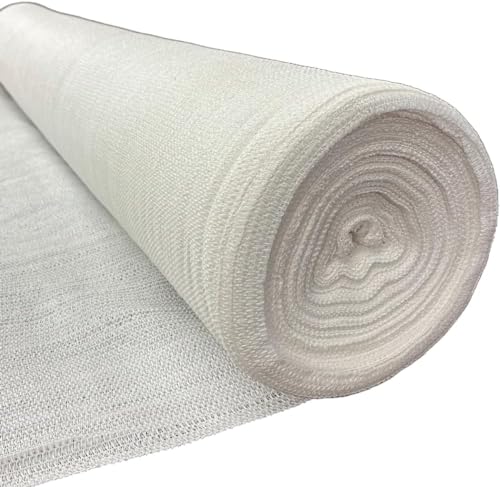
White shade fabric designed as a privacy screen for chain link fences, garden shading for patios, and wind screens. The woven mesh is built to last, offering approx. 50% light block and UV resistance for extended outdoor use. Best for homeowners who want a simple, breathable solution to obscure views while maintaining airflow. Limitations: the listed size is 6′ x 10′ and may require multiple panels for larger areas.
Coolaroo 50% UV Block Garden Shade Cloth (6×15, White)

50% UV block with breathable HDPE material. This shade cloth is tear-resistant and designed to protect delicate seedlings and early growth from sun and pests. Best for gardeners focusing on plant health in the early stages. Better for smaller plant screens or greenhouse aisles where airflow remains important. Caution: taller structures may require more coverage for full shade.
Farm Plastic Supply White Shade Cloth (6′ x 20′)

A larger 6′ x 20′ roll offering the same 50% light block and UV resistance as the smaller model. Suitable for broader privacy screens or longer garden borders. Choose this if you need extended coverage without joining multiple pieces. Limitation: installation may require careful measuring and cutting to fit long spans.
DECOHS 20 x 10 Ft Shade Cloth, White
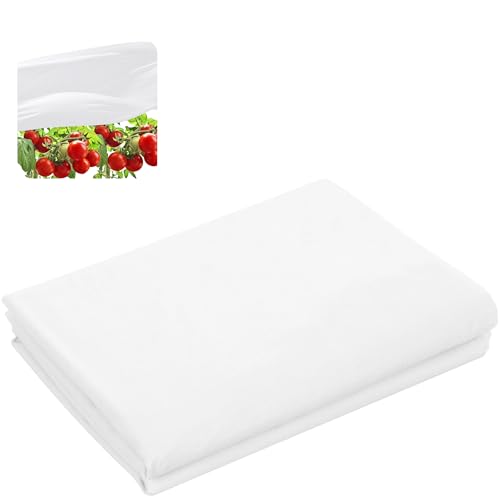
Full-spectrum white light refraction fabric designed to balance daylight while blocking excessive sun. Made from non-woven material, it provides good light transmission with tear resistance and breathability. Best for growers who need to protect plants without completely darkening growth areas. Limitation: larger panels may be more difficult to install without additional support.
Mizelu Nylon Plant Shade Cloth 6.6×6.6 ft

White shade cloth made of durable nylon with reinforced grommets. It provides balanced light transmission and UV protection for compact plant groups or individual beds. Best for gardeners needing a small, reusable shade solution for potted plants. Limitation: smaller size may require more frequent repositioning for larger planting areas.
Buying Guide
What shade cloth density should you choose?
Shade cloth density is measured by the percentage of sunlight blocked. A 50% shade cloth like most products shown here reduces sun exposure by half, which is suitable for many vegetables, herbs, and ornamentals. If you need more protection for very sun-sensitive plants, look for higher density options; for delicate seedlings, consider lower densities to maintain airflow.
What size is right for your space?
Measure the area you want to shade and consider how many panels you will need. For long borders or fences, larger rolls (6′ x 20′ or longer) reduce seam lines. For DIY projects or target shading of a few plants, smaller rolls (6′ x 10′ or 6′ x 15′) are easier to manage.
Is UV resistance important?
UV inhibitors extend the life of shade cloths exposed to sun for extended periods. If the cloth will remain installed year-round or in harsh sun, UV resistance is essential to prevent material deterioration.
What about installation ease?
Look for cloths with weave patterns that hold their shape when cut and fastened. Some fabrics are easier to cut to size and secure with ties or weights. If you lack support structures, consider shade cloths that come with simple installation options or plan for additional hardware.
Greenhouse and garden use cases
Shade cloths designed for greenhouse use should balance light transmission with heat management. If you’re shading seedlings or young plants, choose options marketed for plant protection and airflow to avoid overheating.
Durability and reuse
Durability comes from material (HDPE or strong nylon), weave integrity, and UV inhibitors. Reusable cloths save money over time and reduce waste, making them a practical choice for seasonal shading needs.
FAQs
- What does 50% light block mean? It means the fabric will block about half the sunlight from reaching the shaded area, reducing heat and glare while maintaining air flow.
- Can shade cloths be used on fences? Yes. They’re commonly used to create privacy screens on chain link or wooden fences and can be cut to fit.
- Will shade cloth prevent plant growth? It reduces sun exposure, which slows growth if plants rely on full sun. It’s best for protection from heat and sunburn, not for complete darkness.
- How do I install shade cloth? Secure the edges with ties, clips, or weights and ensure it is taut to prevent flapping in wind. Depending on size, you may need supports or a frame.
- Is white shade cloth suitable year-round? It can be used year-round in temperate climates, but you may need to remove or re-secure it in severe weather to prevent damage.
- Are these materials reusable? Yes, most white shade cloths are designed for multiple seasons with proper care, making them a cost-effective option over time.