Answering the question, these top dwarf Asian pear trees are ideal for small yards and container setups, offering fresh fruit with manageable growth. This guide focuses on compact varieties suited for home orchards, city plots, or balcony spaces. The best choices balance size, hardiness, and fruit quality. The buyers most likely to benefit are decorative-orchard enthusiasts, urban gardeners, and anyone seeking a lower-maintenance fruit tree with fruit-bearing potential in limited spaces.
Quick comparison table
| Product | Best For | Size / Growth | Key Note |
|---|---|---|---|
| Nijisseiki (20th Century Asian Pear Tree) – DAS Farms | Cold-hardy yards, beginners | 3 ft shipped, mature larger plant | Ready to plant; thrives zones 3-8 |
| Shinko Asian Pear Tree – DAS Farms | Cold-to-warm climates, gift-worthy | 3 ft shipped | Best in ground; zones 4-9 |
| GURNEY’S 2-in-1 Asian Pear Dormant Bare Root | Established yard plantings | 2-4 ft bare root | Spacing guidance included |
| Chojuro Pear Standard – Gurney’s | Larger standard bearers in limited space | Standard 16-18 ft mature height | Fair soil & spacing guidance |
| SHINKO Asian Pear Tree – Perfect Plants | Compact fruit tree with starter care | 5-6 ft | Includes fertilizer & planting guide |
Nijisseiki Dwarf Asian Pear (DAS Farms)

The Nijisseiki tree from DAS Farms is a dwarf, 3-foot live fruit plant ready to plant upon arrival. It is described as a deciduous plant suited for zones 3 through 8, enjoying full to part sun. These plants ship with the understanding that California orders may arrive bare-root due to regulations. This option is best for beginners or gardeners aiming to establish a first fruiting pear with modest initial size and a strong climate range.
- Best for: Small yards and cold-hardy regions (zones 3-8).
- Why selected: Immediate planting with clear guidance; compact size helps beginners start a home orchard quickly.
- Caution: Bare-root handling differences may apply for some states; verify local regulations before planting.
Shinko Asian Pear Tree – DAS Farms
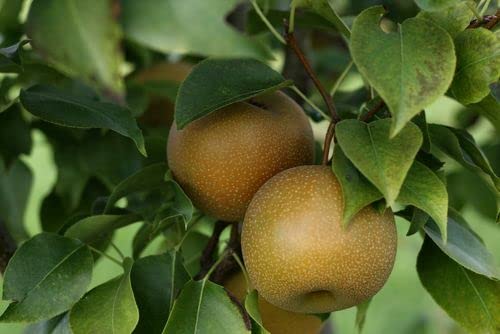
The Shinko tree from DAS Farms is a 3-foot live plant designed for ground planting (not suitable for containers). It is noted to thrive in zones 4 through 9 with full sun. The plant ships as a compact addition to an established landscape, offering an easy transition to a small orchard or personal fruit supply.
- Best for: Gardeners who want an in-ground, compact pear option in warmer climates.
- Why selected: Clear ground-plant instruction and a compact start size.
- Caution: Not suitable for container cultivation; ensure proper planting site.
GURNEY’S 2-in-1 Asian Pear (Dormant Bare Root)

This dormant bare root starter tree measures 2 to 4 feet tall. For best results, space plants about 16 feet apart and plant in well-drained, fertile soil. The product is positioned for straightforward inclusion in a home orchard with simple spacing guidance.
- Best for: New orchard projects with clear spacing and soil guidance.
- Why selected: Simple bare-root option geared toward predictably spaced plantings.
- Caution: Bare-root plants may require careful handling and initial watering to establish roots.
Chojuro Pear Standard – Gurney’s

The Chojuro Pear Standard from Gurney’s reaches a typical mature height of 16 to 18 feet. It is a standard-height pear tree, best planted with ample spacing (about 14-16 feet apart) in well-drained, fertile soil. This option is suitable where a traditional, larger tree structure is desired, while still being a manageable choice for a spacious yard or garden bed.
- Best for: Those wanting a taller standard pear tree with classic growth habits.
- Why selected: Clear spacing and soil guidance; known standard mature height for planning.
- Caution: Requires more space than dwarf selections; ensure landscape capacity.
SHINKO Asian Pear Tree – 5-6 ft

This Shinko tree from Perfect Plants comes in a 5-6 ft size and includes a special blend fertilizer and planting guide. It targets an intermediate size; suited for spaces where a mid-range tree is preferred and where the buyer wants a guided planting process. Suitable for friendly climates and moderate maintenance needs.
- Best for: Gardeners seeking a guided planting setup with an established mid-size tree.
- Why selected: Fertilizer and planting guide included; practical for beginners and intermediate growers.
- Caution: Moderate size requires more space than ultra-dwarf options.
Buying Guide: Dwarf Asian Pear Trees For Your Yard
Size, climate, and care requirements all influence the best choice for a home orchard. Use these practical questions and notes to compare options:
- What size do I want? If space is very limited, choose a true dwarf (around 3 ft to 5 ft shipped or maturing more slowly) rather than a standard 16-18 ft tree.
- What climate zone covers my area? Look for a tree labeled to thrive in your USDA zone, since pear trees vary in hardiness and chill requirements.
- Ground vs container: Some trees are clearly ground-planted and not intended for containers. If you need container options, verify size and root system compatibility.
- Soil and sun: Most Asian pear trees prefer well-drained soil and full sun; ensure you choose a site with adequate sunlight to maximize fruiting and health.
- Maintenance needs: Some varieties come with fertilizer and planting guides; these aids can help beginners adapt quickly to orchard care.
- Spacing and landscape impact: Even among dwarf types, spacing is important to avoid crowding and to ensure air circulation for disease prevention.
Frequently Asked Questions
- Are dwarf Asian pear trees suitable for containers? Yes, some dwarf varieties are; always check the recommended container size and root restrictions.
- What is the typical fruiting timeline? Many Asian pear trees begin producing fruit a few years after planting, depending on the variety and care.
- Do Asian pears require cross-pollination? Some varieties are self-fertile, while others benefit from a compatible pollinator; confirm with the product’s planting guide.
- How much space should I leave around a dwarf pear tree? Even dwarfs may require several feet of clearance; follow the spacing guidelines on the product page.
- What maintenance steps are essential for a healthy pear tree? Regular watering, mulching, pruning, and seasonal feeding are common practices; consult the included planting guide for specifics.
- Can these trees handle winter freezes? Many listed options are designed for various zones; verify local winter protection needs and site selection.