Winter-flowering trailing violas offer a reliable splash of color when many other flowers rest. This guide highlights five seed or live-plant options that perform well in cooler conditions, are easy to grow, and ideal for containers, borders, or hanging displays. Each pick targets buyers seeking coverage, fragrance, or year-round interest in zones 5–9. Use this overview to choose the right viola for your winter-to-spring display and to understand why these selections stand out for cold-weather gardens.
Buyer table: quick reference to the five featured violas
- Outsidepride Black Viola Seeds — Best for dramatic dark blooms and fragrance.
- Outsidepride Light Blue Viola Seeds — Best for soft, cool-toned color and pollinator-friendly layouts.
- Brushstroke Viola Plant Live — Best for instant impact with an established root system.
- Outsidepride Red Claret Viola Seeds — Best for bold, deep red tones and season-long blooms.
- Outsidepride Red Flame Viola Seeds — Best for bright red accents and consistent flowering.
Outsidepride Black Viola Pansy Seeds
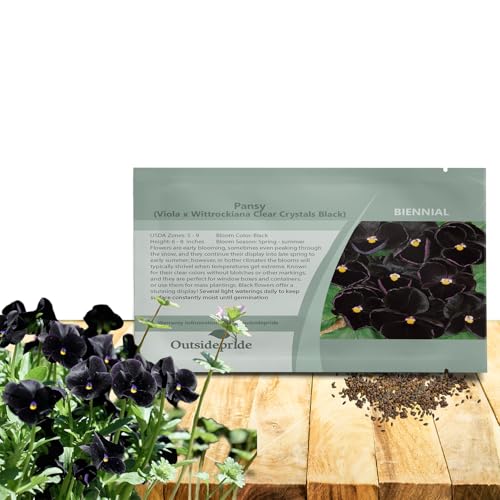
Product type and scope: Biennial seeds designed for trailing growth. These seeds promise season-long fragrant blooms from spring through fall, contributing months of dark, sweet-scented flowers to beds, borders, and containers.
Best for: Gardeners seeking a dramatic, fragrance-rich viola with compact height. Ideal for borders, containers, and hanging baskets where a bold dark bloom is desired while maintaining a compact footprint.
Why selected: The strong fragrance and reliable trailing habit make this option well suited to cooler climates, and the plant size (6-8 inches) fits small spaces without overpowering containers or tight borders.
Caution: Germination takes 14–21 days at around 68F; ensure well-drained soil and a pH range of 5.4–6.8 for best establishment. Provide sufficient sun to partial shade for zone adaptability.
Outsidepride Light Blue Viola Seeds

Product type and scope: Biennial seeds designed for trailing growth, with a soothing light blue palette that brightens cool-season displays.
Best for: Gardeners aiming for a soft, cool-toned color scheme, especially in shaded or partially shaded spaces where light blue violas can stand out against darker greens.
Why selected: Like the black variant, these seeds are compact enough for containers and borders while offering season-spanning bloom potential in zones 5–9. The recurring fragrance adds a sensory layer to winter displays.
Caution: Germination requires careful timing; provide 68F soil temperature and 14–21 days to establish. Ensure 8-inch spacing for robust air circulation and root development.
Brushstroke Viola Plant Live

Product type and scope: Live perennial viola with an established root system, shipped in a 3″ nursery pot for quicker garden transition.
Best for: Buyers who want immediate color and a proven root structure that reduces transplant shock. Good for mixed winter-into-spring displays in beds or decorative planters.
Why selected: The Brushstroke variety features distinctive petal patterns that resemble hand-painted art, bringing a refined look to floral arrangements during cold months.
Caution: Seasonal performance can vary; ensure transplant timing aligns with local frost dates and provide protection if early freezes are expected.
Outsidepride Red Claret Viola Seeds

Product type and scope: Biennial seeds intended for trailing growth with fragrance and season-long bloom potential.
Best for: Gardeners seeking a bold, deep red color that remains vibrant across cool seasons, including edging, borders, and hanging baskets.
Why selected: The dark red tone provides high visual impact and, like other violas, can handle partial shade while continuing to perform in cooler conditions.
Caution: Germination follows standard viola timelines (14–21 days); avoid overly dense sowing to prevent crowding and fungal issues in damp, cold conditions.
Outsidepride Red Flame Viola Seeds

Product type and scope: Biennial seeds delivering trailing growth with fragrance across spring to fall.
Best for: Those looking to add bright red accents to containers, borders, and hanging baskets for a striking winter-to-spring display.
Why selected: The vibrant red hue stands out in low-light winter settings and pairs well with blue or white flowers for contrast.
Caution: Optimal germination requires a shallow cover and consistent moisture; ensure soil drains well to prevent root rot in winter months.
Buying Guide: Key Considerations for Winter-Flowering Trailing Violins
- Climate suitability: Check USDA zones 5–9 compatibility; violas tolerate cool temperatures but may struggle in extreme heat.
- Plant type: Seeds versus live plants determine establishment speed. Seeds require germination time; live plants offer quicker color payoff but may cost more.
- Growth habit: Trailing vs. compact; consider container size, hanging basket depth, and border width to match the cultivar.
- Soil and sun: Use well-drained soil and a sun-to-partial shade tolerance mix. Most violas prefer full sun to partial shade; adjust for your climate extremes.
- Care and maintenance: Sow seeds at the recommended depth; space plants about 8 inches apart for best air flow. For live plants, ensure proper watering and monitor for cold damage.
- Fragrance and color: If fragrance matters, prioritize seeds with described scented blooms; color variety helps coordinate with existing garden palettes.
- Bloom longevity: Violas often bloom across multiple months; deadheading can extend display and promote new blooms during cooler periods.
FAQ
- Q: Are violas truly winter-blooming in colder zones? A: Yes, many violas tolerate cool temperatures and can continue to bloom through early spring in zones 5–9 with proper care.
- Q: Should I start seeds indoors or transplant live plants outdoors? A: For seeds, start indoors in a cool, bright area to extend growing time; live plants can be transplanted after the last frost for quicker color.
- Q: How much sun do trailing violas need? A: Most varieties perform best in full sun to partial shade; in hotter climates, provide some shade during peak afternoon hours.
- Q: What is the recommended soil for viola seeds? A: Well-drained soil with pH roughly between 5.4 and 6.8 supports healthy germination and growth.
- Q: How long do violas typically bloom? A: Blooms can persist from spring through fall, with peak color during cooler months and mild winters.
- Q: Are these violas good for pollinators? A: Several options are noted as pollinator-friendly, attracting bees and butterflies to your winter display.
Note: This article uses product information and features provided by sellers. Always verify local climate suitability and planting instructions for your garden conditions before purchasing or planting.