Looking for a reliable scarifier or dethatcher that pairs with a lawn tractor? This guide covers five top options that are well-suited for tractor use, including tow-behind dethatchers and 3-point scarifiers. Each pick is explained for who it’s best for, with practical pros and a clear note on limitations.
Summary of chosen products
| Product | Brand | Width | Drive Type | Notes |
|---|---|---|---|---|
| Agri-Fab 45-0294 | Agri-Fab | 40 in | Tow-behind | Uproots thatch in 40″ swaths; USA-made |
| Agri-Fab 45-0295 | Agri-Fab | 48 in | Tow-behind | Wider thatch removal; USA-made |
| Suchtale 48inch Tow Behind | Suchtale | 48 in | Tow-behind | 24 tines; durable steel |
| Suchtale 40inch Tow Behind | Suchtale | 40 in | Tow-behind | 20 tines; lighter option |
| ALMULOO 48″ 3 Point Scarifier | ALMULOO | 48 in | 3-Point hitch | Adjustable six shanks; CAT-0 compatible |
Agri-Fab 45-0294 Tow-Behind Dethatcher
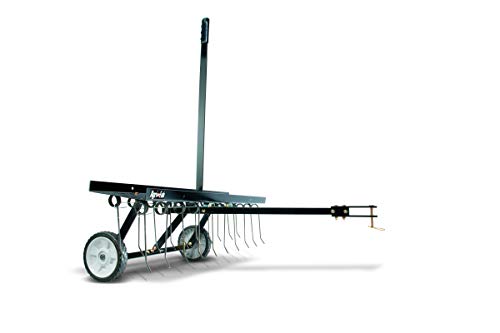
This model uses twenty durable spring steel tines in a 40-inch swath to loosen dead grass, thatch, and soil. It’s described as MADE IN USA and designed to pull behind lawn and garden tractors, making it a practical choice for mid-size lawns. Best for users who want a broad, tow-behind dethatching action without installing heavy equipment.
Best for: Homeowners with standard 40″ deck width tractors seeking straightforward thatch removal. Avoid if you need a wider, heavier-duty dethatcher or if your tractor lacks a compatible hitch.
Caution: The effectiveness relies on proper towing speed and consistent ground contact; avoid overly compacted soil to prevent tines from clogging or wearing quickly.
Agri-Fab 45-0295 48in Tow Behind Dethatcher
This 48-inch dethatcher uses 24 durable spring steel tines for broad thatch removal. It’s designed to pull behind lawn tractors, offering deeper penetration across a wider swath than narrower models. Best for larger lawns or when you want to reduce dethatching trips.
Best for: Lawn owners needing wider coverage and stronger thatch removal. Choose this if you have a larger yard or prefer fewer passes. Caution: Wider units require more power and space to maneuver, especially on tight curves or smaller lawns.
Suchtale 48inch Tow Behind Dethatcher

This tow-behind dethatcher features 24 spring steel tines and a sturdy frame, optimized for removing dense thatch and loosening soil in a single pass. It includes a wheels-and-beam design to track better behind the tractor, reducing interference with lawn obstacles. Best for: users prioritizing robust construction and a substantial tines count for thick lawns.
Limitation: The full 70 lb ballast and heavy frame may demand a larger tractor with adequate horsepower and hitch capacity. Use with caution on soft ground to prevent track damage.
Suchtale 40inch Tow Behind Dethatcher

With 20 spring steel tines, this 40-inch dethatcher is a lighter option within the Suchtale lineup. It still provides effective thatch removal while remaining easier to handle for smaller tractors or yards. Best for: Small to mid-size lawns needing efficient dethatching without extra width or weight.
Best for: Users with moderate thatch and limited pulling power. Caution: Fewer tines mean slower removal on very thick thatch; plan for additional passes if needed.
ALMULOO 48″ 3 Point Scarifier

This 3-point scarifier is designed for compatibility with CAT-0 implements and features six adjustable shanks with precise depth control. It’s powder-coated for rust resistance and aims to loosen densely packed soil to improve aeration and drainage. Best for: Tractor owners seeking a scalable scarification tool with adjustable depth and a 3-point hitch.
Limitation: CAT-0 compatibility means it may not fit hobby-grade or older tractors without a compatible three-point hitch. Consider compatibility with your loader or hitch system before purchasing.
Buying Guide: Key Considerations For Tractor Scarifiers
- Tow-behind vs. 3-point hitch: Tow-behind dethatchers are simple to install and use with tractors that have a matching hitch. 3-point scarifiers provide deeper penetration and better control for heavy thatch but require a compatible hitch.
- Width and weight: Wider units cover more area per pass but demand more pulling power and maneuverability. Heavier frames improve durability but may stress smaller tractors.
- Tine count and material: More tines generally remove thatch more aggressively. Spring steel tines are common and offer good resilience; rust-proof or heat-treated options sustain performance longer in outdoor conditions.
- Depth adjustment: Depth controls determine how aggressively the ground is dethatched or scarified. Multi-position or adjustable shanks help tailor performance to lawn condition and grass type.
- Ease of maintenance: Look for models with replaceable tines, simple cleaning, and straightforward mounting. Wheel tracks and bearing-supported wheels can reduce resistance and improve operator fatigue.
- Compatibility: Ensure your tractor’s hitch type, PTO, and horsepower align with the device’s requirements. For 3-point models, confirm CAT class compatibility (e.g., CAT-0).
Frequently Asked Questions
- What’s the difference between dethatcher and scarifier?
– A dethatcher primarily removes thatch and dead grass buildup, while a scarifier loosens and aerates the soil by cutting through surface that and moss, improving root access to air and moisture. - Which width should I choose for a small lawn?
– A 40-inch model is usually easier to maneuver and sufficient for small to mid-size lawns. For larger lawns, a 48-inch option can reduce the number of passes. - Do I need a 3-point scarifier for my tractor?
– If you have a CAT-0 compatible 3-point hitch and need deeper soil treatment, a 3-point scarifier is a strong choice. Tow-behind models are generally easier to use and install on tractors with compatible rear PTO hitches. - How often should I dethatch or scarify?
– Dethatching is typically performed in spring or fall, depending on grass type and thatch buildup. Scarification is often seasonally strategic, focusing on soil aeration during optimal growth periods. - Can these attachments damage my lawn?
– Improper depth or aggressive use in poor soil conditions can damage roots or compact soil further. Always start with shallow settings and adjust gradually based on lawn feedback. - What maintenance steps are essential after use?
– Clean residue from tines, inspect for bent or worn parts, and store in a dry place to prevent rust. Regularly check hitch connections and wheel alignment if present.