Creating a serene, low-light sanctuary in a dark bedroom is easier with plants that thrive in shade or indirect light. The selections below are chosen for resilience, air-purifying qualities, and visual appeal in dim spaces. Each option comes from reputable indoor plant varieties and realistic décor-friendly choices, helping you brighten your room without adding extra maintenance. The list includes hardy greens, trailing vines, and statement plants that tolerate limited sunlight while still providing lush ambiance.
Summary of chosen products
| Product | Brand | Key Benefit |
|---|---|---|
| Live Snake Plant, Zeylanica | Plants for Pets | Exceptional hardiness; tolerates low light |
| Monstera Adansonii (Bumble Plants) | Bumble Plants | Distinctive perforated leaves; great for low light |
| Little Fiddle Leaf Fig | Costa Farms | Compact fiddle leaf fig; elegant silhouette |
| Pothos (Retrograde Pothos Ivy) | Retrograde | Vining accent; thrives in indirect light |
| Rubber Tree | Generic | Bold foliage; dependable indoor performer |
Live Snake Plant, Sansevieria Zeylanica

Sansevieria Zeylanica, commonly known as Mother-in-Law’s Tongue, features upright, sword-shaped leaves with rippled green patterns. This perennial is renowned for its resilience and ability to endure low light levels, making it an ideal centerpiece for a dark bedroom. The plant’s architectural form adds vertical interest without requiring bright sun. Proper care includes minimal watering and occasional fertilizer, supporting long-term health in dim spaces.
Monstera Adansonii Real Indoor Plants
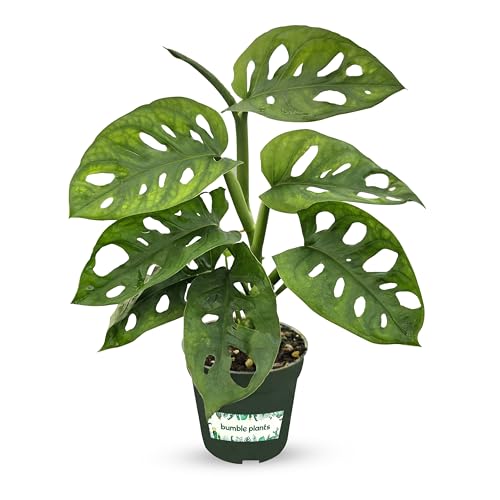
The Monstera Adansonii showcases perforated leaves that introduce a tropical accent to any room. This plant adapts well to indoor environments and handles lower light levels without sacrificing foliage density. Its trailing growth habit works beautifully on shelves, desks, or as a statement piece in a corner. With occasional misting and gentle watering, it remains a stylish addition to a dark bedroom while adding a sense of depth and texture.
Costa Farms Little Fiddle Leaf Fig

The Little Fiddle Leaf Fig offers a compact footprint with the iconic fiddle leaf silhouette. While Ficus lyrata prefers brighter indirect light, many shades of indoor rooms still sustain healthy growth with careful placement away from drafts and sun kisses. This plant adds a touch of classic modern decor to a dark bedroom and can be an elegant focal point without overpowering the space.
Retrograde Realistic Pothos Ivy

The Retrograde Pothos Ivy offers a resilient, trailing vine that thrives in low to medium light. Its variegated leaves provide bright contrast in otherwise dim spaces, making it a versatile option for shelves, hanging baskets, or draped over edge surfaces. This plant requires minimal care, and its ability to adapt to low light makes it a practical choice for a dark bedroom.
Rubber Tree Live House Plant

The Rubber Tree, or ficus elastica, brings bold, glossy foliage to a dark bedroom. It adapts well to indoor environments and can tolerate moderate light through indirect exposure. Its sturdy structure and deep green leaves offer a sophisticated contrast that complements minimalist or cozy bedroom aesthetics, while helping to purify indoor air.
Buying Guide: Key Considerations For Choosing Low-Light Bedroom Plants
- Light tolerance: Look for species labeled as low-light or indirect-light adaptable. Most snake plants, pothos, and some philodendrons perform well without direct sun.
- Space and footprint: Measure available surface area. Compact fiddle leaf figs and trailing pothos work well on shelves or corners, while taller plants suit open corners with room to breathe.
- Maintenance needs: Consider watering frequency, humidity, and dusting requirements. Low-maintenance options reduce risk of overwatering in dim rooms.
- Air quality benefits: Many indoor plants contribute to air purification; snake plants and rubber trees are notable examples for this purpose.
- Decor style: Choose plants with shapes and textures that complement your bedroom theme—architectural leaves for modern spaces, or lush, trailing vines for bohemian looks.
- Safety and pets: If you have pets, verify edibility and safety of each plant. Some varieties may be unsuitable for homes with curious animals.
- Care schedule: Establish a simple routine (e.g., weekly quick check) to monitor soil moisture and growth patterns in low-light conditions.
- Arrangement ideas: Group plants with varying heights and leaf textures to add depth, or place a dramatic plant like a rubber tree near a seating area for a focal point.