Answer: If you’re shopping for an outdoor insect light trap, choose models that combine UV attraction with a high-voltage grid for rapid zapping, along with weatherproof housing and easy mounting. This guide highlights five reliable options suited for patios, backyards, and camping setups. It explains who each product is best for, why it stands out, and practical cautions to consider before buying. The aim is clear, objective guidance to help you pick an effective, low-maintenance bug zapper that fits your outdoor space and pest needs.
| Product | Best For | Notes |
|---|---|---|
| GOOTOP Bug Zapper Outdoor | Lightweight, portable setups | 3-prong plug-in; 4200V grid |
| Buzbug LED Bug Zapper MO008C | Low-light environments | Dual-color LED; 2m cord |
| Raindot Bug Zapper | Outdoor and indoor versatility | IPX4 waterproof; 4200V grid |
| Dickinda Electric Bug Zapper | Wide-area coverage | High voltage, 1000 sq ft+ |
| OWLTRA OMT-L20 | No-see-ums and small insects | Fan suction + UV attract |
GOOTOP Outdoor Bug Zapper
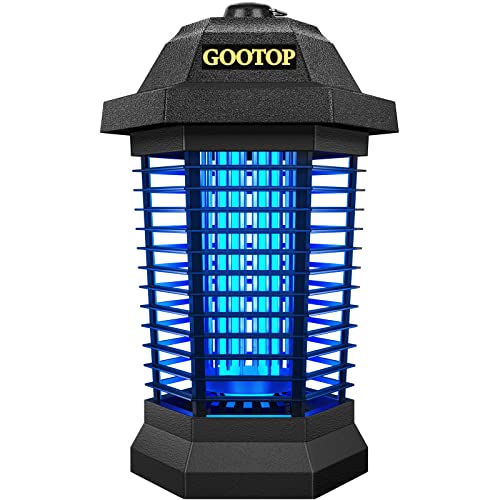
Best for: Garden and patio use where a lightweight, simple plug-in zapper is preferred. The GOOTOP unit claims EPA registration and a broad target range including mosquitoes, gnats, horse flies, and moths. It zaps on contact and starts immediately when plugged in, with a compact ABS body that’s easy to hang near doorways or seating areas.
Why selected: This model emphasizes a straightforward, maintenance-free approach with a bare-minimum setup—no warm-up and immediate effectiveness. It’s well-suited for homeowners who want a plug-and-play solution that reduces airborne pests near outdoor seating without aerosols or sprays.
Potential limitation: The effectiveness depends on placement and lighting conditions; dusk or night placement yields stronger results, but daytime usage is less impactful. Consider pairing with outdoor lighting adjustments for best results.
Buzbug LED Bug Zapper MO008C

Best for: Nocturnal backyards and spaces where a longer cord and dual-wavelength LEDs improve attraction. The MO008C uses 365nm and 395nm LEDs to draw in more insects, with a robust 2m cord and a carbon steel grid for durability. It’s suitable for gardens, decks, and porches where ambient lighting is low.
Why selected: The dual-color LED approach increases insect attraction by an estimated margin, helping the unit perform better in dim conditions. The quick electric shock (0.01 seconds) reduces escape opportunities for many pests, making it a strong all-around indoor/outdoor option.
Potential limitation: The unit relies on electrical power and a longer cord; ensure access to a nearby outlet or consider outdoor-rated extension options. Outdoor placement should avoid excessive exposure to direct rain unless the unit’s IP rating confirms waterproofing.
Raindot Mosquito Zapper

Best for: Indoor-outdoor use with IPX4 waterproofing, making it a solid choice for areas where moisture is a concern, such as near pools, decks, or rain-prone porches. The 15W UV tube plus a galvanized steel grid attract and kill insects efficiently.
Why selected: The Raindot model combines weather resistance with a practical hanging design. It’s suitable for spaces that experience occasional rain and for users who want a single device that can transition between indoor and outdoor settings.
Potential limitation: While waterproof, it’s still best to avoid submersion or extreme exposure to heavy downpours. Placement away from direct wind helps maintain the light’s attractant effectiveness.
Dickinda Electric Bug Zapper Indoor/Outdoor

Best for: People needing broad coverage up to about 1000 sq ft and a versatile indoor/outdoor bug zapper. The Dickinda device uses a 4200V grid and a 15W UV light to attract a broad range of insects, from mosquitoes to gnats and moths.
Why selected: Its design supports both interior and exterior use, with a hanging ring for easy placement on trees, porches, or walls. The unit is suitable for patios, garages, and camping setups where a single device must tackle multiple insect types.
Potential limitation: The product description emphasizes high-voltage operation; users should ensure safe placement away from children and pets and follow all safety guidelines for outdoor electrical devices.
OWLTRA OMT-L20 Insect Trap

Best for: Homes needing a comprehensive no-see-ums and small insect solution with suction-based capture. The OMT-L20 uses UV attraction combined with a powerful fan to draw and trap insects, making it effective for sensitive outdoor areas where a strong light alone may not suffice.
Why selected: The triple-bulb setup, 360-degree access, and IPX4 weather rating support reliable performance across weather conditions. It’s particularly suited for areas with dense insect activity and where you want to minimize escape through efficient suction.
Potential limitation: This model relies on fans to capture insects, which means ongoing power needs and occasional maintenance to keep the intake clear. Replace bulbs as needed to maintain attraction efficiency.
Buying Guide
What should you consider before buying an outdoor insect light trap?
- Area coverage: Determine the square footage you need to protect. Larger yards may benefit from higher-wattage bulbs or models with wider catchment areas.
- Weather resistance: Look for IP ratings (IPX4 or higher) if the device will stay outdoors in rain or damp conditions.
- Power source and placement: Check whether you need battery, plug-in, or extension options. Place traps away from competing lighting and near common pest entry points.
- Attraction method: UV light strength, wavelength (365nm vs 395nm), and additional attraction methods (CO2 or heat) influence effectiveness against certain species.
- Maintenance: Consider ease of cleaning, emptying the catch basket, and bulb replacement intervals. A device with accessible trays and long-life bulbs reduces upkeep.
Should you choose one device or multiple models?
For larger properties or mixed pest pressures, using multiple units can provide more uniform coverage. Indoor/outdoor zones may benefit from one model with rugged weather resistance and another optimized for nocturnal, higher-activity areas.
How to position for better results?
- Place traps away from cooking and seating areas to avoid concentrating pests near human activity.
- Avoid direct, bright lighting that can repel or distract insects away from the trap.
- Test placements at dusk to identify the best attractant-to-space balance and adjust height and distance from edges.
Safety considerations
- Keep units out of reach of children and pets. Follow product-specific safety guidelines for electrical use outdoors.
- Select models with protective grids to reduce accidental contact with live components.
- Ensure outdoor outlets are GFCI-protected where required and that cords are rated for outdoor use.
Quick comparison at a glance
- Best for easy setup: GOOTOP Bug Zapper
- Best for low-light environments: Buzbug MO008C
- Best for wet outdoor spaces: Raindot Zapper
- Best for wide-area coverage: Dickinda Zapper
- Best for small insect types: OWLTRA OMT-L20
Frequently Asked Questions
- Do outdoor insect traps work during the day? Most are more effective at night or in low light when insects are more active, but many are usable during the day for maintenance or in shaded spaces.
- Are these traps safe around pets and children? Look for models with protective grids and follow manufacturer safety instructions to minimize risk.
- Can I use these indoors as well? Several models are designed for indoor/outdoor use, but always verify the IP rating and ventilation to prevent indoor air quality issues.
- How often should traps be cleaned or bulbs replaced? It depends on usage, but regular cleaning and bulb replacement per the manufacturer’s guidance helps maintain effectiveness.
- Will these traps attract beneficial pollinators? Most traps target flying insects; they are designed not to attract pollinators, but placement away from flowering plants reduces incidental attraction.
- Do these devices require insect attractants or sprays? Generally, traps rely on UV light and grids; sprays are not needed and are not part of the trap’s operation.