Polypropylene rope is a versatile option for tree swings, camping gear, and general outdoor rigging. This guide highlights five high-quality polypropylene or blend ropes suited for tree work, rigging, and swinging setups. It explains who each rope is best for, their key strengths, and practical limitations to help you choose with confidence.
Summary table (selected products):
| Product | Best For | Length | Diameter | Key Strength |
|---|---|---|---|---|
| YUZENET Braided Polyester Arborist Rope | Professional tree care and swing setups | 100 ft | 3/8 in | High tensile strength, wear resistance |
| Diamond Braided Polypropylene Rope Nylon Rope Mix | General outdoor use and clotheslines | 50 ft | 1/2 in | Durable nylon/polypropylene mix |
| Arborist Rope- Climbing Tree Rope | Climbing, rigging, swing support | 100 ft | 1/2 in | Smooth braided construction |
| YSMN 1 in 100 ft Twisted 3 Strand | Heavy-duty outdoor tasks | 100 ft | 1 in | Water-resistant, durable |
| SDHUATUO 1/4 in x 100 ft Diamond Braided | Light to medium-duty outdoor tasks | 100 ft | 1/4 in | High wear resistance |
YUZENET Braided Polyester Arborist Rope — 3/8″ x 100 ft

Best for professionals and serious hobbyists who need a reliable, high-tensile rope for tree work and swing setups. This rope uses a 48-strand inner core and an outer reinforced skin to resist wear and tear, with a max tensile force around 3520 lbs. It’s moisture- and UV-resistant and remains flexible for knotting.
Who it’s best for: arborists, landscapers, and home users who require dependable performance with easy knotting and good weather resistance. Caution: polyester blends can creep slightly under sustained heavy loads; verify needed length and anchor points before use.
Key features in brief:
- Diameter: 3/8 inch; Length: 100 feet
- High-strength 48-strand inner core; wear-resistant outer skin
- Moisture and UV resistance; flexible for knotting
Diamond Braided Polypropylene Rope — 1/2″ x 50 ft
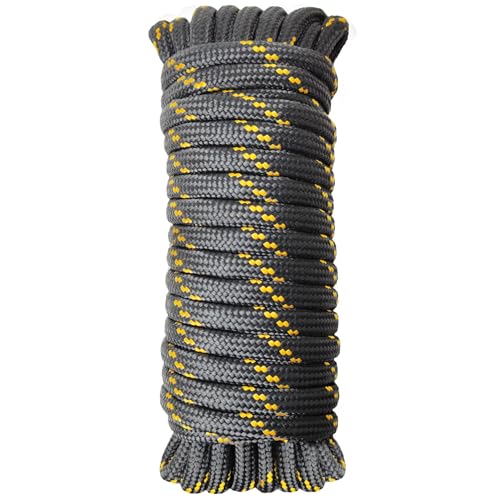
A versatile rope suitable for general outdoor use, including drying clotheslines, camping, and light rigging. It’s a nylon- polypropylene mix designed for durability and stability in varied conditions. Its robust construction helps it resist abrasion while maintaining flexibility for knotting and handling.
Who it’s best for: homeowners needing a reliable, all-purpose rope for swinging, clotheslines, and campsite gear. Better for lighter-duty tasks rather than professional rigging; avoid if you require extreme tensile strength for heavy loads.
Key features in brief:
- Diameter: 1/2 inch; Length: 50 feet
- Breaking strength around 1300 lbs; working strength around 310 lbs
- Color options: orange and black
Arborist Rope — 1/2″ x 100 ft Polyester

Designed for true arborist work, this rope emphasizes strength, safety, and controlled handling when climbing, rigging, or supporting heavy loads. The 1/2-inch, 100-foot length paired with a 48-strand double-braided polyester construction offers solid abrasion resistance and secure knotting.
Who it’s best for: professional climbers, riggers, and swing setups that require dependable leadership in load-bearing tasks. Caution: double-braided design can be stiffer than simpler braids, which may affect knot sensitivity for some users.
Key features in brief:
- High-strength, double-braided polyester
- 48 strands on the outer layer; 100 ft length
- UV-resistant and weather-resistant
JANJOSN 1/2 Inch Arborist Tree Rope — 100 ft
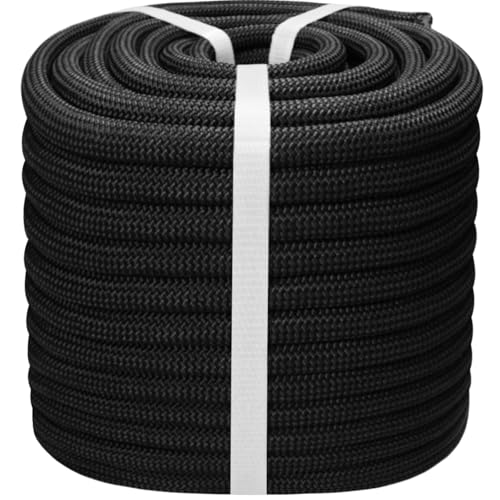
This rope is aimed at arborist professionals and serious outdoor workers who need durable, weather-resistant rope for rigging, pulleys, and tree work. The 1/2-inch diameter with 100 feet length offers strong tensile strength and smooth handling, ideal for demanding tasks.
Who it’s best for: users performing heavy-duty tree pulling, rigging, or swing setups who require robust strength and reliable performance. Caution: premium polyester construction may be heavier and stiffer for very simple, light-duty tasks.
Key features in brief:
- 1/2 inch diameter; 100 feet length
- Weather-resistant polyester; suitable for outdoor use
- Designed for arborist operations and rigging
SDHUATUO 1/4 In x 100 Ft Diamond Braided Rope

This rope features a 32-strand diamond braid with a 1/4-inch diameter and 100-foot length. Its high wear resistance and durability make it a solid option for many outdoor tasks, including temporary swings or light rigging.
Who it’s best for: buyers needing a compact, durable option for light to medium-duty tasks, especially where a smaller diameter is preferred. Limitation: lower breaking strength means it’s less suitable for heavy load applications.
Key features in brief:
- Diameter: 1/4 inch; Length: 100 ft
- 32-strand diamond braid; 150-lb breaking strength
- Moisture, UV, chemical, and abrasion resistance
YSMN 3/4 Inch Twisted 3 Strand Rope — 50 ft

This rope uses a heavy-duty 3/4-inch diameter that is suitable for demanding outdoor tasks like tree work and swing setups where extra strength is desired. It features a twisted 3-strand design and is built to withstand extended outdoor exposure.
Who it’s best for: users needing a thicker, more robust rope for high-load applications, or when longer-term outdoor exposure is expected. Caution: the larger diameter may not fit pulleys or hardware designed for thinner lines.
Key features in brief:
- Diameter: 3/4 inch; Length: 50 ft
- Twisted 3-strand construction; synthetic polypropylene
- Good weather resistance and durability
Buying Guide: Key Purchase Considerations
What rope diameter do I need for a tree swing?
For most residential tree swings, a diameter between 1/2 inch and 3/8 inch provides a balance of strength and ease of tying knots. If you anticipate heavier loads or stricter safety requirements, opt for 1/2 inch or larger. Always match the rope to the hardware and anchors you plan to use, and ensure the rope length accommodates your tree and swing seat.
What material mix offers the best balance of durability and flexibility?
Pure polypropylene is lightweight, inexpensive, and resistant to moisture, but it can stiffen with time. Polyester and polyester blends often provide better UV resistance and abrasion durability, with smoother knotting. For tree work and rigging, a double-braided polyester or a strong mixed rope can offer dependable performance under load with good handling.
What safety factors matter for tree work?
Key safety considerations include breaking strength, working load limit, resistance to UV and moisture, and the ability to hold knots under load. Always check that the rope’s rated capacity exceeds the anticipated loads. Use appropriate knots, hardware, and protective wraps to prevent wear at anchor points.
How long should a tree swing rope last outdoors?
Rope lifespan depends on exposure, load, and weather. Ropes with UV resistance and moisture resistance tend to last longer outdoors. Regular inspections for fraying, glazing, or core exposure are recommended, and replace rope showing significant wear or loss of diameter.
How should I compare different ropes quickly?
- Check diameter and length to fit your setup
- Consider material composition and weather resistance
- Assess breaking strength vs. working load limits
- Note the knot-ability and handling characteristics
FAQ
- Can I use any rope for a tree swing?
- What is a safe working load for rope in a swing?
- Is a double-braided rope better than a single braid?
- How do I inspect rope for safety?
- Should I use a protective sleeve at attachment points?
- What if I need a very light-duty option?
No. For safety, use ropes designed for outdoor rigging with suitable diameter and strength for loads, plus UV and moisture resistance.
Follow the rope’s rated working load limit and ensure it exceeds the force you expect during use, including dynamic loads when swinging.
Double-braided ropes typically offer higher abrasion resistance and stable handling, which can be beneficial for rigging and swings.
Look for fraying, glazing, broken fibers, stiffness, or core exposure. Replace if any of these are present or if the rope shows significant wear.
Yes. Protect the rope where it contacts hardware or the tree to reduce wear and prolong life.
Choose a thinner diameter rope designed for light-duty outdoor use and verify it can handle the expected loads and exposure.