Finding the right seeds can set your garden up for success. This guide highlights five reliable seed kits tailored for American gardeners, spanning vegetables and herbs. Whether you’re growing indoors, in a small urban plot, or a full outdoor garden, these selections help maximize germination, flavor, and variety. Each product is suitable for different growing goals—from fresh kitchen herbs to a diverse vegetable harvest. The table below compares the top options at a glance to help you decide which kit best fits your space and cooking style.
| Product | Brand | Ideal For |
|---|---|---|
| 55 Vegetable Seeds Variety Pack | Organo Republic | Outdoor gardens and home hydroponics with broad vegetable variety |
| Gardeners Basics Survival Vegetable Seeds | Gardeners Basics | Emergency planning, long-term storage, diverse edible staples |
| HOME GROWN Herb Seeds for Planting 15-Pack | HOME GROWN | Extensive indoor/outdoor herb growing with year-round use |
| Seed Needs Herb Seeds Variety Pack | Seed Needs | Indoor herb garden and hydroponics with 12 varieties |
| Garden Pack Vegetable Seeds Pouch 50 Varieties | Garden Pack | Comprehensive starter kit for vegetables, herbs, and flowers |
55 Vegetable Seeds Variety Pack

This kit targets general vegetable gardening with 55 common varieties in individual seed packets. It emphasizes a high germination rate and includes high-profile crops such as lettuce, carrot, tomato, cucumber, kale, squash, pepper, and beans. Best for gardeners seeking a single, broad seed drawer for a mixed outdoor plot or a hydroponic setup. The waterproof resealable bag and QR-based growing guide support beginners and seasoned growers alike. A potential limitation is the large seed diversity, which may be overwhelming for first-time gardeners with limited space.
Who it’s best for: Home gardeners who want a broad vegetable base, indoor-to-outdoor versatility, and value-added growing resources. Choose this if you want a large, diverse starter pack with practical guidance and handy garden accessories included.
Why selected: It provides a wide vegetable spectrum in one purchase, enabling year-round planning and crop rotation opportunities across different growing environments.
Limitations to note: The sheer variety may require careful planning to fit in limited spaces, and some rarer varieties may take longer to mature.
Gardeners Basics Survival Vegetable Seeds
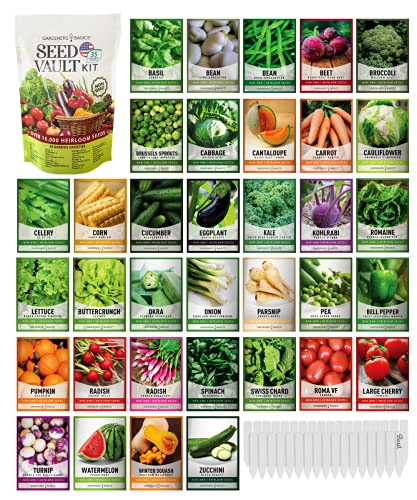
This survival-focused kit contains over 16,000 seeds across 35 vegetable varieties, all non-GMO and heirloom. It’s designed for long-term storage and emergency preparedness, making it a solid choice for preppers, community gardens, or households aiming to stock a kitchen garden for years. Seeds are packed in seed packets rather than plastic bags, with growing instructions included. It’s best for those who want a robust supply for ongoing planting and food security rather than a compact, quick-turnover garden.
Who it’s best for: Gardeners planning a durable supply for emergencies, large outdoor plots, or educational kits for groups. Choose this if long-term storage and a wide range of staples matter most.
Why selected: It balances practicality, variety, and storage-focused packaging, all conveyed with clear instructions for success in various settings.
Limitations to note: The scale may be more than a small garden needs; organization becomes essential to prevent overplanting and seed mixups.
Grow Your Own Herbs Garden Kit
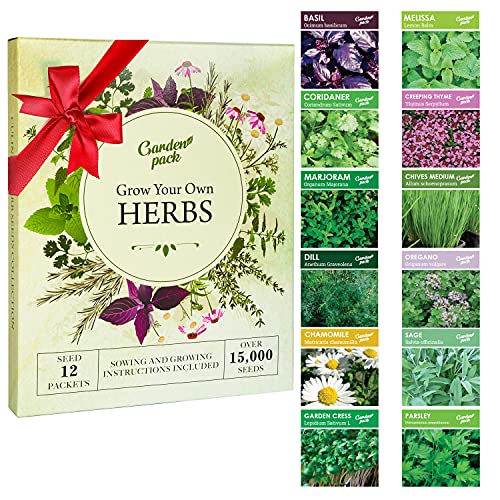
This kit focuses on herb cultivation, offering 12 premium non-GMO herb seeds. It supports indoor and outdoor growing, including windowsill pots, planters, and garden beds. The kit includes a growing manual and 15,000 seeds across the assortment, making it a practical choice for kitchens and herb-driven cooking. It’s well-suited for beginners and urban gardeners who want a compact yet diverse herb garden with year-round usability.
Who it’s best for: Home cooks, apartment dwellers, and hobbyists who want a turnkey herb garden with a strong emphasis on culinary usefulness and indoor viability.
Why selected: The large seed count and included manual make it easy to start with minimal setup and experience, delivering immediate kitchen-friendly results.
Limitations to note: Some varieties may be more perennial or harder to manage outdoors in cooler climates; plan for indoor overwintering if necessary.
Seed Needs Herb Seeds Variety Pack

This 12-variety indoor herb kit includes basil, chives, cilantro, dill, oregano, parsley, sage, thyme, rosemary, and more. It’s designed for hydroponics and indoor planting while offering fresh herbs throughout the year. The seeds are heirloom and non-GMO, making it a versatile choice for kitchen gardens and compact spaces. The emphasis on hydroponic suitability makes it a strong pick for urban or apartment gardeners who want consistent herb yields without soil.
Who it’s best for: Indoor gardeners, hydroponic setups, and kitchen gardeners who want a reliable, compact herb collection with year-round harvests.
Why selected: The 12-variety pack covers essential culinary herbs, with a clear focus on indoor viability and easy-to-grow varieties.
Limitations to note: Outdoor performance may vary by climate; not all varieties may thrive outdoors in extreme heat or cold without adjustments.
Garden Pack Vegetable Seeds Pouch – 50 Varieties

This pouch holds 50 varieties of vegetables, herbs, and flowers in a premium, non-GMO seed kit. It emphasizes germination reliability and broad diversity, making it a robust option for mixed gardens, seed-saving enthusiasts, and gifting. The compact pouch design aids organization and easy storage, while the high germination intent supports a successful first growing season for beginners. A potential limitation is the broad mix; some gardeners may want more crop-specific focus rather than a single all-in-one kit.
Who it’s best for: New gardeners seeking a comprehensive starter kit or those who enjoy experimenting with different crops and companion plants in a single purchase.
Why selected: The 50-variety design offers broad exposure to vegetables, herbs, and flowers, supporting diverse garden planning and pollinator-friendly plantings.
Buying Guide
What kind of seeds do you need for your space?
Consider the size of your garden and whether you grow indoors or outdoors. Indoor or balcony gardeners benefit from herb-focused kits and compact vegetable sets, while outdoor plots can leverage larger seed packs with diverse vegetables.
Are heirloom and non-GMO seeds important to you?
Heirloom and non-GMO seeds preserve varietal traits and can offer more flavor and resilience in some climates. If authenticity and long-term seed saving matter, prioritize non-GMO and heirloom options like the kits above.
Do you want a kit with growing guides or added tools?
Kits that include growing guides, QR-based instructions, and basic tools help beginners. If you have existing tools, you may prefer seed-only options to minimize extra items.
What is your climate and seasonality?
Some seeds perform better in cool-season or warm-season windows. Look for winter-ready or year-round kits if you’re in regions with extended growing seasons or shorter outdoor periods.
Storage and packaging considerations
Resealable packaging or moisture-proof pouches help extend seed longevity. Plastic bags without resealability can invite mold and reduce germination rates over time.
How to compare germination rates and seed quality
Seed quality affects results more than you might think. Look for non-GMO, heirloom labeling where possible, and consider customer feedback about germination experience and storage conditions.
Practical tips for using seed kits
- Plan by crop type: group leafy greens together and separate fruiting crops for better space management.
- Label packets clearly and keep a simple garden map for rotation.
- Rotate crops annually to reduce pest pressure and soil fatigue.
FAQ
- What is the best seed kit for beginners? Any kit with clear instructions and a compact layout works well for newcomers, especially those that include a growing guide.
- Are these seeds suitable for hydroponics? Several kits advertise hydroponic compatibility or indoor growing potential, particularly for herbs and select vegetables.
- Should I buy a herb-only kit or a mixed vegetable kit? If you cook often with fresh herbs, an herb-focused kit in a small space can be ideal. For varied meals, a mixed vegetable kit covers more needs.
- Can I store seeds from these kits for next season? Yes, most non-GMO and heirloom seeds store well in a cool, dry place in their original packaging or resealable pouches.
- Do these kits come with growing instructions? Many do, and some provide digital guides via QR codes or downloadable e-books, which can be helpful for beginners.
- Is seed variety important for pollinators? Including a mix that supports pollinators (flowers and herbs) can benefit overall garden health and yields.