Heritage chicken breeds are prized for their reliability, flavor, and adaptability to backyard farming. This article spotlights five relevant products that support healthy egg production and quality from heritage and diverse laying stock. Explore feeds, hatching options, grit, and incubation gear designed to help you raise hearty layers and preserve traditional breeds for future generations.
| Product | Brand | Focus | Link |
|---|---|---|---|
| Country Heritage Chicken Layer Crumble | CountryMax | Layer feed for egg production | Amazon |
| Musa Meadows Chicken Eggs (Rare Breeds) | Musa meadows | Rare breed eggs | Amazon |
| 6 Barnyard Mix Chicken Hatching Eggs | FPS | Egg hatching mix (20+ breeds) | Amazon |
| Country Heritage Chicken Grit | CountryMax | Digestive support for poultry | Amazon |
| Deluxe Pro 360 Incubator & Turners | Rite Farm Products | Incubation for chick production | Amazon |
Country Heritage Layer Crumble For Egg Laying

Product notes describe a crumble form designed to boost intake among laying hens from around 16 weeks onward. The formula is fortified with vitamins and minerals to support long-term production, and its crumble texture can improve consumption in flock settings. While marketed for layer performance, it aligns well with heritage breeds that tend to lay steadily when provided consistent nutrition and proper space. This feed option emphasizes egg production without relying on highly specialized, modern lines.
Key features include: crumble format for easier consumption, vitamin and mineral fortification for overall health, and an egg production focus. This product is suitable for heritage and traditional laying flocks kept in home coops or small farms. Use as part of a balanced diet that includes fresh forage and clean water to support steady egg output over the productive life of the birds.
Musa Meadows Rare Breeds Eggs
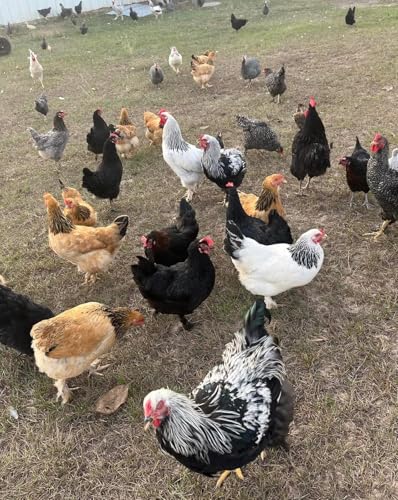
The listing highlights fertile eggs from rare heritage breeds, offering a variety of genetic lines for backyard breeders and small farms interested in preserving genetic diversity. Such eggs can contribute to a diverse laying program when paired with appropriate breed selection and broodstock management. For heritage enthusiasts, sourcing eggs from rare breeds supports biodiversity and can provide unique plumage, temperament, and egg color traits that enrich a mixed-age flock.
Considerations include hatchability, breeder health history, and local climate adaptability. When incubating or brooding, ensure clean handling, proper humidity, and ventilation to maximize chick viability. Eggs from rare breeds may require gentler handling and more precise incubation conditions to optimize outcomes for future heritage layers.
6 Barnyard Mix Hatching Eggs

Hatching egg mixes present opportunities to diversify a heritage flock with multiple breeds, often including older dual-purpose lines suitable for both eggs and meat. The product listing notes a barnyard mix with 20+ breeds, which can help maintain resilient flocks capable of adapting to varying climates and forage. Prospective hatchers should evaluate the age and storage conditions of the eggs, track hatch rates, and plan brood rearing around seasonal conditions to maximize chick survival and future egg-laying potential.
Applications include expanding a small farm’s genetic base, teaching children about poultry, or restoring traditional breeds in a mixed-breed setting. Pair hatching efforts with selective culling and breeding plans to maintain healthy, productive layers within heritage lines.
Country Heritage Grit For Poultry

This insoluble crushed granite grit is marketed as a digestive supplement for adult poultry, including chickens and ducks. Grit helps birds grind feed in their gizzards, supporting efficient digestion—an important factor for heritage birds that may forage more naturally and rely on varied diets. The larger size claim suggests suitability for adult birds with robust beaks and grinding needs. For heritage flocks, providing grit alongside access to calcium sources and clean water supports consistent egg production and gut health during seasonal changes.
Best practices include free-choice grit alongside pellet or crumble feeds, and monitoring intake to prevent overconsumption. Combine with a balanced diet that accommodates seasonal forage gaps to maintain steady laying patterns in heritage stock.
Deluxe Pro 360 Incubator And Turners

This incubator set offers a 21-egg capacity and automatic egg Turner with five included trays, plus a digital programming interface. For heritage breeders, reliable incubation is essential for preserving legacy lines and ensuring successful hatches of key stock. The automatic turner reduces manual handling and helps maintain even development, while digital controls enable consistent humidity and temperature—crucial for viable chick outcomes in diverse environments. When planning to rear heritage layers, pairing incubation gear with a brood-rearing plan supports gradual, healthy flock expansion.
Buying Guide: Heritage Egg Production Essentials
Heritage egg production benefits from a balanced approach that combines proper nutrition, genetic diversity, and reliable incubation capabilities. Here are key considerations and comparisons to help you choose:
- Breed and genetics: Heritage and rare breeds often excel in foraging ability, temperament, and hardiness. When selecting stock, consider climate adaptability, coexistence with other hens, and egg color or size preferences.
- Nutrition and feed: Layer crumbles or pellets with fortified vitamins and minerals support steady production. If you raise forages, combine with supplements such as grit for digestion and calcium sources for eggshell quality.
- Hatching strategies: Incubation equipment with consistent temperature and humidity, plus an automatic turning system, reduces manual labor and improves hatch rates. Acquire a brood plan for chicks, pullets, and cockerels to maintain a balanced flock.
- Environment and space: Heritage layers benefit from spacious, secure coops with adequate ventilation and clean water. Provide shaded foraging areas to encourage natural behaviors and reduce stress during hotter months.
- Biosecurity and health: Use clean brood facilities, quarantine new birds, and monitor for common poultry diseases. A diverse genetic base can improve resilience to pathogens, but proper vaccination and preventative care remain essential.
- Incubation planning: For those focused on heritage preservation, plan hatch windows to align with seasonal temperatures and feed availability. Record-keeping on breed outcomes and egg production helps refine future breeding.
- Price and availability: While price is a factor, prioritize stock and supplies that support long-term health and egg production. Look for brands with clear ingredient lists and breed-relevant guidance.
- Maintenance and cost of upkeep: Consider feed consumption rates, coop cleaning, and the need for supplements. Heritage flocks often require ongoing management to preserve line integrity and consistent egg output.
In summary, pairing the right nutrition, robust hatching options, and proper care creates a strong foundation for heritage egg production. The featured products provide practical tools—from feeding and grit to incubation—that support a small-farm or backyard program focused on heritage breeds and sustainable egg supply.