If you’re looking to create a garden bursting with peony-like poppy blooms, these poppy peony flowered mix seeds offer dramatic color and texture. They’re ideal for sunny borders, butterfly gardens, and cottage-style beds. This guide highlights five top options and explains who each is best for, with practical tips to choose the right mix for your climate and soil.
| Product | Best For |
|---|---|
| Park Seed Poppy Flower Plant Seeds | Beginner gardeners seeking reliable germination and a classic mix |
| Seed Needs Mixed Peony Poppy Seeds | Pollinator-friendly, colorful annuals for sun |
| Sow Right Seeds Mixed Peony Poppy Seeds | Gardeners wanting tall stems and vibrant multi-color blooms |
| Sow Right Seeds Pale Rose Peony Poppy Seeds | Delicate pale rose tones for cottage gardens |
| Outsidepride Peony Double Mix Poppy Seeds | Drought-tolerant, dramatic double blooms |
Park Seed Poppy Flower Plant Seeds

Best for beginners seeking dependable germination and a traditional poppy-peony look. This pack provides 100 seeds per pack, enabling a modest display or a small border. The Peony Mix theme adds soft, lush petals that resemble peonies when in full bloom. It’s well-suited for sunny patches with well-drained soil.
Who it’s for: New gardeners or those planting a smaller garden who want quick visual impact without complex care. Why selected: Park Seed’s mix is straightforward to grow, with clear color expectations and reliable performance in typical home gardens.
Caution: As with many poppies, avoid overly rich soil which can reduce flowering. Ensure full sun exposure for best results.
Seed Needs Mixed Peony Poppy Seeds
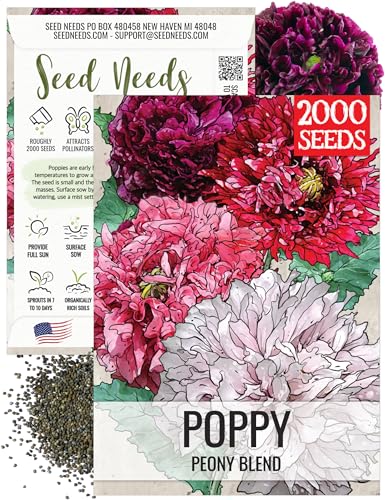
Best for pollinator gardens that want a colorful mix of large, peony-like blooms. These annual poppies, also known as Papaver paeoniflorum, offer pink, red, purple, white, and bi-color varieties. They prefer well-drained soil and full sun, growing 2 to 3 feet tall for a striking vertical accent.
Who it’s for: Gardeners aiming to attract butterflies and bees with bold color. Why selected: The mix emphasizes vibrant peony-inspired shapes that stand out in borders and beds.
Caution: Roots are sensitive to disturbance, so direct sow in situ rather than transplanting young plants.
Sow Right Seeds Mixed Peony Poppy Seeds
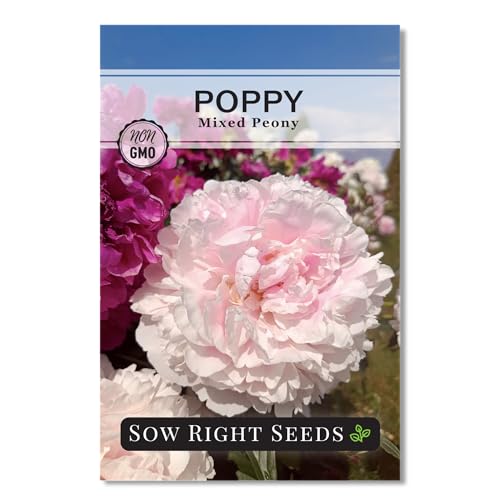
Best for large-scale color displays and lasting bloom potential. This packet features a robust mix of Peony Poppies with tall stems, suitable for borders and cut-flower gardens. Germination typically occurs in 14-21 days at 60-65°F, with plants growing 2-4 feet tall and blooming in about 80-90 days.
Who it’s for: Experienced and casual gardeners who want a long-season display and strong pollinator appeal. Why selected: The product is explicitly described as productive and pollinator-friendly, with a broad color range.
Caution: Provide full sun; suppress excessive soil richness that can reduce bloom density in some settings.
Sow Right Seeds Pale Rose Peony Poppy Seeds

Best for a refined, soft-palette garden style. The pale rose blooms resemble double peonies with a gentle pink hue, ideal for cottage and border plantings. Germination follows standard poppy timing, with growth to about 2-3 feet tall and 6-8 feet spread under optimal sunlight.
Who it’s for: Gardeners prioritizing elegant, delicate color schemes and a classic cottage-garden vibe. Why selected: The pale rose variant offers a distinct, romantic look within the poppy-peony family.
Caution: This variety, like other peony poppies, benefits from direct sowing in the final bed to avoid root disturbance.
Outsidepride Peony Double Mix Poppy Seeds

Best for drought-tolerant landscapes and bold, dramatic color. This mix features double-flowered poppies in a vibrant array, reaching heights of 32-40 inches. It’s suitable for naturalized meadows, beds, and pollinator gardens with well-drained soil.
Who it’s for: Landscape-minded gardeners seeking striking, long-lasting color with relatively low maintenance. Why selected: The drought-tolerant trait and tall, double blooms create a strong focal point in mixed borders.
Caution: Annuals require regular deadheading or removal of spent blooms to encourage continued flowering in hot summers.
Buying Guide: Poppy Peony Mix Seeds
What to consider before buying
Climate and hardiness zones influence success. Most peony poppies perform well in USDA zones 3-8, with sun-loving tendencies requiring full sun for best bloom. Check your soil drainage, as soggy ground can hinder germination and root health.
Seed form and germination
Most mixes germinate in 14-21 days at moderate soil temperatures. Direct sow in prepared beds for best root establishment, and avoid densely packed soil that can stunt early growth.
Flower form and color expectations
Peony-like petals vary from single to double forms, with colors ranging from reds and pinks to purples and whites. If you prefer a specific look (soft rose, bold red, or multicolor), pick a mix that emphasizes that palette.
Pollinator impact
Many of these seeds attract butterflies and bees, supporting local pollinator populations. If pollinators are a priority, choose varieties labeled as pollinator-friendly and plant in full sun with open, well-drained soil.
Care and maintenance tips
Water consistently during establishment but avoid overwatering. Maintain well-drained beds, mulch lightly to preserve moisture, and space plants according to height expectations to prevent crowding.
Frequently Asked Questions
- Q: Do poppy peony mixes require special soil?
- A: They prefer well-drained soil and full sun; amend heavy soils to improve drainage if needed.
- Q: How long until I see blooms?
- A: Most varieties bloom within 70-90 days after sowing, depending on conditions.
- Q: Can I save seeds for next year?
- A: Yes, many annual poppy varieties produce seeds that can be saved and sown the following season.
- Q: Are these safe for wildlife gardens?
- A: They are generally pollinator-friendly and can attract bees and butterflies when in bloom.
- Q: Should I cover seeds after planting?
- A: Light exposure is often sufficient for germination; do not bury seeds too deep.