Looking for a striking pink flowering tree that brings long-lasting color to beds, borders, or containers? Double pink althea trees (Rose of Sharon) offer lush, rose-like blossoms from mid-summer through fall. These selections are ideal for sunny gardens, attract pollinators, and adapt to a range of soils. The following picks are well-suited for American landscapes, with emphasis on trees that display abundant double pink blooms and strong heat tolerance. The table below compares the top five choices to help you decide which fits your space and maintenance preferences.
- Best for larger landscapes: tall, architectural bloom displays
- Better for containers or smaller spaces: compact forms and topiary-style options
- Choose this if you want extended flowering and heat tolerance
- Avoid this if cold-hardiness is a primary concern in harsher climates


Lucy Red Althea Rose of Sharon Tree
MATURE SIZE: 8-12 feet tall with a 6-8 feet spread. BLOOMING SEASON: Pink double blooms from mid-summer through fall. GROWING CONDITIONS: Full sun to partial shade; adapts to various soils and shows heat and drought tolerance. Best for: medium to large gardens or landscape borders where a tall, showy focal tree is desired. Caution: may require pruning to maintain a preferred shape in smaller spaces.
Purple Althea Tree, Rose of Sharon
FLOWERING SHRUB: Pink double blooms throughout summer. MATURE SIZE: 8-12 feet tall, 6-10 feet wide. GROWING CONDITIONS: Full sun to partial shade; tolerant of various soils and conditions. Best for: gardeners wanting a tree-like form with continuous pink blossoms. Caution: growth may outpace small urban lots unless pruned regularly.
Althea Double Purple Rose of Sharon

MATURE SIZE: 8-12 feet tall, 6-10 feet wide. BLOOM CHARACTERISTICS: Large, showy double pink-purple flowers from mid-summer through fall. GROWING CONDITIONS: Full sun to partial shade; adapts to various soils with strong heat and drought tolerance. Best for: those seeking a dramatic bloom density and a traditional Rose of Sharon look. Caution: ensure adequate space to prevent crowding in tight borders.
Lucy Althea Double Rosy Red Tree

Show-Stopping Blooms: Double, rosy red flowers from midsummer to early fall. Compact Ornamental Tree: Reaches 15–20 feet tall, suitable for small to medium gardens, borders, or patio spaces. Long Blooming Season: Weeks of colorful blossoms attracting pollinators. Best for: spaces needing a taller, vibrant centerpiece with extended color. Caution: can be drought-tolerant but benefits from regular watering in extreme heat.
Perfect Plants Double Pink Knock Out Rose Tree
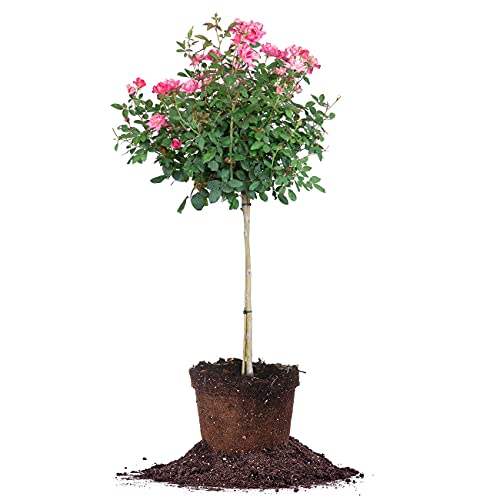
GARDEN TOPIARY LOOK: Topiary-style rose tree with continuous pink blooms. MATURE SIZE: Typically 4-5 feet tall in 5-gallon container; can be pruned to maintain shape. GROWING CONDITIONS: Requires sun; blooms best with adequate light. Best for: decorative containers, entryways, and focal accents. Caution: not a true althea, but provides a similar double-pink aesthetic in topiary form.
Lucy Red Althea Rose of Sharon Tree (Set of 2)
MATURE SIZE: 8-12 feet tall; spread 6-8 feet. BLOOMING SEASON: Pink double blooms through mid-summer to fall. GROWING CONDITIONS: Full sun to partial shade; adaptable to various soils with heat and drought tolerance. Best for: planting in pairs for a structured, symmetrical foundation or street-side display. Caution: ensure both plants have adequate space to mature without crowding.
Buying Guide: Key Considerations For Double Pink Althea Trees
What size do you need? If you have a large landscape or border, opt for taller forms that provide vertical interest. For patios or small yards, choose compact or container-friendly cultivars. Consider how much space you can dedicate to mature width and height before planting.
Which bloom characteristics matter? Look for cultivar descriptions that emphasize double pink blooms and bloom duration. Taller althea trees typically offer longer seasonal color, while compact forms provide a dense display of blossoms in a smaller footprint.
What growing conditions are available? Most of these altheas thrive in full sun to partial shade and tolerate a range of soils. In hotter regions, select varieties with strong heat tolerance and drought resilience. If you have poor soil, consider amendments and regular mulching to improve performance.
How will you prune and shape? Some selections are naturally tree-like, while others may require pruning to maintain a desired silhouette. If you want a topiary look, the Knock Out Rose Tree option demonstrates how pink blooms can form into a unique topiary form, though it is not a true althea.
What is your maintenance preference? Altheas generally require minimal fertilization, regular watering during establishment, and seasonal pruning to maintain shape and encourage flowering. If you prefer low maintenance with fewer pruning needs, select varieties known for strong natural form.
Additional Tips
- Plant in a location with full sun for best bloom production.
- Provide well-draining soil; altheas tolerate a variety of soil types.
- Mulch around the base to retain moisture and suppress weeds.
FAQ
- What is a double pink althea tree?
A double pink althea tree, also known as a Rose of Sharon, is a flowering shrub or small tree that produces double-petaled pink blooms in summer and into fall. It adds vertical interest and long-lasting color to landscapes.
- Are althea trees heat-tolerant?
Yes, most double pink althea selections are heat-tolerant and adapt to hot, dry conditions with proper watering and sun exposure.
- Can althea trees grow in containers?
Some cultivars can be grown in large containers but may require periodic pruning and root management to maintain a desirable size.
- When is the best time to plant?
Spring or early fall are ideal planting times in most regions, giving roots time to establish before extreme temperatures.
- Do altheas require special care after blooming?
Light pruning after flowering helps maintain shape and encourage next season’s blooms.
- Are there pink double-bloom alternatives?
Yes, other pink flowering shrubs or trees may offer similar aesthetics, such as pink double-bloom varieties of Rose of Sharon and related ornamental shrubs.