Answering your search for reliable, fragrant mock orange bushes, this guide highlights five well-suited options for American gardens. Each plant is described with the best uses, ideal growing conditions, and practical tips to help you choose confidently. The selections cover two-packs and single live plants, arranged to fit common landscape needs—from borders and hedges to focal plantings along patios. Whether you want seasonal white blooms, strong fragrance, or cold-hardiness, this list aims to match various garden spaces and maintenance levels.
The following table summarizes the key choices, helping you compare at a glance before diving into each product section.
| Product | Size / Pack | Best For | |
|---|---|---|---|
| 2 Mock Orange Live Shrubs | Mock Orange Bush Plants Live | 1–2 ft, 2 plants | Small borders, symmetry, mixed borders | Establishes spacing; good for hedge accents |
| Sweet Mock Orange Shrub – 10-18″ Tall Live Plant | 10–18 inches | Hedges, borders, focal point | Strong fragrance; compact |
| 2 Minnesota Snowflake Mock Orange Shrubs | 12–18 inches, 2 plants | Fragrant foundation plantings | Bareroot option; late-spring bloom |
| Mock Orange Bush Tree Live Plant in Pot | 6–12 inches tall, in pot | Cold-hardy containers or ground planting | Very fragrant; winter dormant |
| 1 Year Old Philadelphus Mock Orange Bush Tree Live Plant | 6–12 inches | Newly established plantings | Very fragrant; Zone 4–8 |
2 Mock Orange Live Shrubs | GINGERGLOW

Best for balanced borders and symmetrical garden designs. This set includes two established mock orange shrubs with an average height of 1–2 feet, suitable for direct outdoor planting in home gardens, landscape beds, or decorative shrub borders. Height consistency makes them ideal for creating even lines along walkways or patio edges. They bloom with seasonal white clusters in late spring to early summer, adding classic ornamental appeal to your landscape.
- Size and composition: Set of two established shrubs, 1–2 feet tall.
- Flowering: Seasonal white blooms in late spring to early summer.
- Placement: Works in full sun to partial shade; versatile for beds, fences, or borders.
Best for gardeners seeking quick visual impact with balanced mass and easy spacing. A potential limitation is that containerized starts may need careful initial watering and root establishment in hot, dry periods.
Sweet Mock Orange Shrub – 10-18″ Tall Live Plant

Best for fragrant focal points or hedges in smaller gardens. This single plant, about 10–18 inches tall in a pot, delivers a strong citrus-like fragrance from profuse white blooms. It’s well-suited for borders or as a decorative accent near entryways or patios.
- Fragrance: Heavenly, citrus-like scent from white blooms.
- Use: Hedges, borders, or a decorative garden focal point.
- Limitation: Being a younger specimen, establishment may take time; regular care helps root development.
2 Minnesota Snowflake Mock Orange Shrubs

Best for fragrant, double white blooms with a low-maintenance profile. This 2-pack includes plants around 12–18 inches tall, shipped bareroot, suitable for various soil types and eventual landscape integration. The double white blooms create a snowflake-like appearance in late spring to early summer, boosting curb appeal.
- Bloom quality: Fragrant double white flowers.
- Maintenance: Low-maintenance after establishment.
- Limitation: Bareroot plants may require careful handling and moisture management after transplanting.
Mock Orange Bush Tree Live Plant in Pot
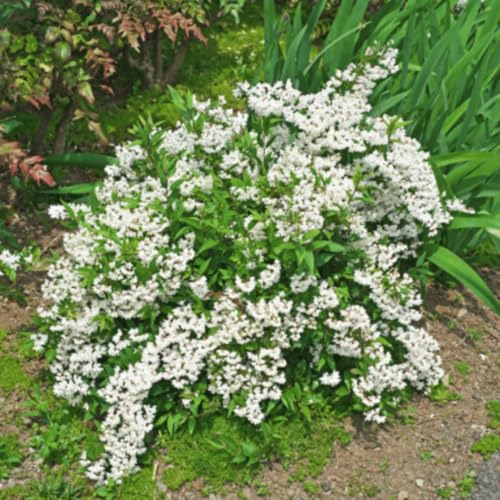
Best for cold-hardy garden corners and patios. This 6–12 inch tall mock orange bush tree comes in a pot and is noted for very fragrant blooms in late spring to early summer. It’s suitable for zones 4–8, making it a practical option for cooler American regions needing reliable fragrance and color.
- Fragrance: Very fragrant blooms reminiscent of orange blossoms.
- Hardiness: Cold-hardy, suitable for Zone 4–8.
- Limitation: Young trees may require careful root establishment in challenging soils.
1 Year Old Philadelphus Mock Orange Bush Tree

Best for establishing a mature look in a season-or-two garden plan. This 1-year-old mock orange bush tree is well-rooted and ready for planting. It offers very fragrant white blooms in late spring to early summer and is described for zones 4–8, which suits many American landscapes seeking fragrance and structure without long wait times.
- Fragrance: Very fragrant white blooms in late spring to early summer.
- Growth stage: Well-rooted, young plant ready for planting.
- Limitation: Immediate impact is moderate; full flowering depends on successful establishment.
Buying Guide: Key Considerations For Your Mock Orange Purchase
- Climate suitability: Check your hardiness zone (most varieties here prefer zones 4–8) to ensure winter survival and bloom reliability.
- Space and layout: Decide between single plant focal points, compact hedges, or two-plant borders to guide spacing and visual impact.
- Fragrance and bloom timing: If fragrance is a top priority, prioritize varieties listed as very fragrant with late spring to early summer blooms.
- Soil and sun requirements: Most mock oranges tolerate full sun to partial shade; ensure adequate drainage for best root establishment.
- Watering needs: Newly planted shrubs require regular moisture; plan for seasonal irrigation during establishment periods, especially in hot climates.
- Maintenance level: Younger plants may need support during transplanting and initial pruning; consider long-term pruning goals for shaping.
- Hardiness and longevity: For cooler regions, choose cold-hardy options like those described as zone 4–8; consider container options for patios in cold winters.
FAQ
- What is the best mock orange for small borders?
Small, two-plant sets like the 2 Mock Orange Live Shrubs are ideal for symmetry in borders and low-height edging. - Which mock orange varieties are most fragrant?
Most listings indicate strong fragrance, especially those described as very fragrant or with citrus-like scents in late spring to early summer. - Can mock orange plants grow in less sun?
They can tolerate partial shade, but full sun generally supports better bloom production and denser growth. - Are bareroot mock orange plants okay for planting now?
Bareroot stock is common for cost-effective expansion; ensure proper moisture and root protection during transplanting. - What should I expect in the first year after planting?
Establishment typically involves steady growth, with flowering becoming more reliable in subsequent seasons as roots develop. - Are these plants suitable for containers?
Some options are offered as potted or young container plants, making them suitable for patios or courtyards with adequate light.