The right backflow preventer keeps irrigation water from siphoning back into your home’s drinking supply. This guide covers five proven backflow preventers that work with ¾-inch hoses and drip irrigation systems. It helps buyers choose based on installation ease, compatibility, and durability. Ideal for homeowners with drip zones, vegetable gardens, or landscape watering systems seeking reliable anti-siphon protection.
Summary of selected products:
| Product | Best For | Key Benefit |
|---|---|---|
| Raindrip R620CT Anti-Siphon Backflow Preventer | General drip systems; easy hose-to-drip transitions | Prevents backflow, connects to hose bib and drip components |
| Eastman 3/4 in FHT x MHT Vacuum Breaker | Quiet, reliable backflow protection | Self-draining, straightforward installation |
| Habitech Drip Irrigation Faucet Adapter Kit | All-in-one kit; quick setup | Backflow prevention, filter, regulator in one unit |
| Rain Bird HT075BFFSX Backflow Preventer with Filter | Commercial-grade compatibility | Pre-installed flush cap; ¾” female hose thread |
| Mysora Anti-Siphon Backflow Preventer | Direct faucet connections; versatile ¾” fit | Anti-siphon protection with standard ¾” FHT/MHT |
Note: This article focuses on practical, installation-friendly options that fit common ¾-inch hose fittings and drip components. Each product section highlights who benefits most and why it was selected, plus a brief caution where applicable.
Raindrip R620CT Anti-Siphon Backflow Preventer

Best for general drip setups that pause backward flow from hoses. The Raindrip R620CT connects 3/4-inch FHT to a hose bib and 3/4-inch MHT to drip components such as timers or pressure regulators. The device helps prevent impurity from flowing back into the clean water supply.
Who it’s best for: homeowners with a simple drip irrigation line that starts at a garden faucet and feeds multiple drip components. Why selected: straightforward ¾” threaded connections and a dedicated anti-siphon function that integrates into existing hose connections. Caution: ensure a tight seal at all threaded junctions to prevent leaks under pressure.
Eastman 3/4 Inch FHT x 3/4 Inch MHT Vacuum Breaker

Best for quiet, dependable backflow protection with self-draining capability. The Eastman unit prevents backflow and allows water to drain after shutoff, reducing freezing risk in colder conditions. Installation is aided by a break-off screw for a more permanent mount.
Who it’s best for: homeowners seeking a compact, dependable anti-siphon valve with a built-in drain. Why selected: its self-draining feature helps maintain system readiness for seasonal irrigation. Caution: verify compatibility with your fixture’s threading and local line pressure before installation.
Habitech Drip Irrigation Faucet Adapter Kit
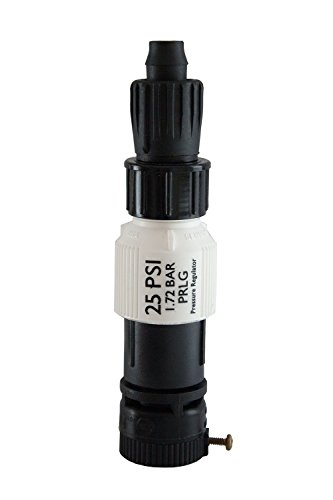
Best for all-in-one installation. This kit connects ½” tubing to a ¾” male faucet, includes a backflow preventer, filter, and regulator, and is ready to use. The integrated approach reduces the number of separate parts required for a drip setup.
Who it’s best for: DIY gardeners who want a single pre-assembled unit to start a drip system quickly. Why selected: it combines backflow protection with a 150-mesh filter and pressure regulator. Caution: not all hoses or manifolds may fit if your layout uses unusual fittings—check compatibility with your hose size before purchase.
LitOrange 2 Pack Brass 3/4″ GHT Backflow Preventers

Best for budget-conscious buyers who want multiple protectors. This 2-pack provides break-off screws for permanent installation and anti-backflow valves suitable for standard hose and end valves. It includes extra washers and tape for a complete setup.
Who it’s best for: gardeners needing multiple units across a larger property or different zones. Why selected: strong value with two units and straightforward assembly. Caution: designed for standard hose threads; verify fit if your fixtures use non-standard fittings.
SUNGATOR 2-Pack Hose Bib Backflow Preventer
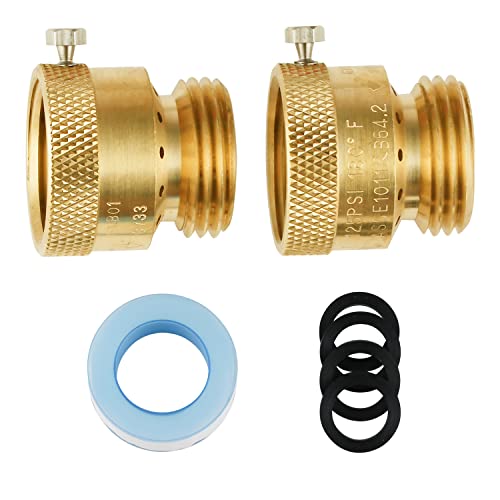
Best for two-zone outdoor faucets. This 2-pack includes a break-off screw for permanent installation and a drain hole to release water after shutoff, helping prevent freezing. Note that it is suitable for garden hose threads, not fine threads.
Who it’s best for: homeowners with multiple outdoor spigots or hose connections needing backflow protection. Why selected: robust brass construction and a simple drain mechanism. Caution: the unit is not compatible with fine-thread fixtures, so verify your thread type before buying.
Buying Guide
What is a backflow preventer and why do I need one?
A backflow preventer stops contaminated irrigation water from siphoning back into your clean water supply. It is essential whenever a drip system shares a supply line with a potable water source, such as a faucet or hose bib.
Key features to evaluate
- Thread compatibility: Most ¾-inch fittings use FHT/MHT threads. Confirm inlet/outlet directions match your setup.
- Self-draining capability: Helps prevent water from remaining in the unit, which can freeze in cold weather.
- Flush/maintenance options: Some units include flush caps or filters to keep debris out of the system.
- Permanent installation: Break-off screws allow securing a unit to a fixed position.
- Material quality: Brass and durable plastics offer long-term reliability in outdoor conditions.
Single-unit kits vs. multi-pack options
All-in-one kits simplify setup for new systems, while multi-packs deliver value for installations across a large property. Consider your overall irrigation plan and future expansion when choosing.
Installation considerations
- Trace all connections to ensure a tight seal and prevent leaks under pressure.
- Check local climate: in freezing areas, choose self-draining models to reduce ice risk.
- Positioning: place the backflow preventer downstream from the faucet and upstream of drip components.
Maintenance and safety reminders
Inspect seals and threads periodically for wear. Clean debris from filters if present. Always shut off water and drain the line before service to minimize leaks and spills.
FAQ
- What is the difference between an anti-siphon device and a vacuum breaker? Answer: Both prevent backflow; anti-siphon devices primarily block siphoning, while vacuum breakers often include a self-draining mechanism to protect against pressure drops.
- Do backflow preventers require maintenance? Answer: Some units include filters and flush caps; periodic inspection helps maintain performance.
- Can I install a backflow preventer myself? Answer: Yes, most installations are straightforward for typical DIY projects with standard hose threads.
- Will these fit all 3/4-inch hoses? Answer: Most are designed for standard ¾” FHT/MHT fittings but verify thread type and gender before purchasing.
- Should I replace backflow protectors every season? Answer: Regular checks are recommended; replace if leaks or failure to stop backflow are observed.