Find the best large-flower Rose of Sharon options for vibrant summer color. This guide highlights shrubs and seeds ideal for residential landscapes, fences, and borders. It helps you pick plants that grow tall, produce bold blossoms, and suit your climate. The top picks provide distinct bloom colors, strong branching, and easy outdoor growing for different garden sites.
Summary table of selected products.
| Product | Type | Best For | Notes |
|---|---|---|---|
| 2 Rose of Sharon Tree Live Plant – Red Althea | Live plants | Colorful focal accents | Two plants, 1–2 ft tall |
| White Pillar Rose of Sharon (2 Gal) | Shrub | Borders and hedges | Compact pillar form |
| Purple Pillar Rose of Sharon (2 Gal) | Shrub | Color variety in beds | Columnar habit |
| Dark Lavender Chiffon Rose of Sharon (2 Gal) | Shrub | Bold lavender bloom color | Compact to medium size |
| Cold Hardy Rose of Sharon (5 Plants) | Seedlings | Mass plantings | 6–12 inches tall |
2 Rose of Sharon Tree Live Plant – Red Althea

Best for creating a quick vertical accent in borders or along fences. These two Hibiscus syriacus plants arrive as young shrubs about 1–2 feet tall, ideal for establishing in residential landscapes. Red blooms provide strong contrast against green foliage and add seasonal drama to beds.
Who it’s for: homeowners seeking immediate color in small-to-medium spaces and gardeners wanting paired focal plants. Selection emphasizes an upright growth habit for visual impact from planting beds and walks.
Limitation: as young plants, establishment may take one growing season to reach full bloom potential. Ensure full sun to promote robust flowering and sturdy branching.
50 Rose of Sharon Flower Seeds for Planting

Best for gardeners who prefer starting from seed and creating a multicolored display. The mix includes pink, purple, blue, and white hues, enabling a varied garden palette and a longer bloom timeline as plants mature.
Who it’s for: advanced planners and seed savers looking to establish large plantings or mass color in sunny borders. Seeds ship USA-grown, ready to germinate in good soil with appropriate moisture.
Limitation: seed emergence can be variable due to climate and germination conditions; start indoors or in a warm bed for higher success.
Proven Winners 2 Gal. White Pillar Rose of Sharon

Best for formal beds and hedges, offering a tall, upright pillar form with white blooms. This Proven Winners selection is paired to thrive in zones 5–9, maturing to a substantial shrub size in full sun to partial shade.
Who it’s for: gardeners aiming for a clean, architectural look with consistent flowering along a border or privacy screen. The flowering habit supports long-season color with minimal pruning.
Limitation: can require staking or support in windy sites due to tall, slender growth in early years.
Proven Winners 2 Gal. Purple Pillar Rose of Sharon

Best for adding a striking color column in sunny borders. Purple blooms on a pillar habit provide vertical interest, suitable for screening or as a focal point within mixed shrub plantings.
Who it’s for: buyers seeking a color-rich alternative to white blooms, with a compact, vertical profile ideal for narrow garden spaces.
Limitation: color intensity may vary by light exposure; ensure full sun for strongest bloom production.
Proven Winners 2 Gal. Dark Lavender Chiffon Rose of Sharon
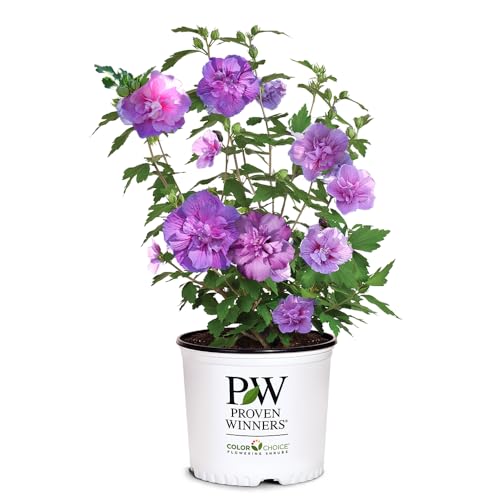
Best for soft, garden-wide color with a broad flower head. Lavender blooms on a relatively compact shrub suit sunny borders and smaller landscapes where a lush bouquet is desired.
Who it’s for: gardeners wanting a lavender tone that blends with greens and pinks, offering a different seasonal highlight to a Rose of Sharon collection.
Limitation: larger mature size still occurs; plan spacing to prevent crowding in dense beds.
5 Rose of Sharon Tree Plant – Cold Hardy 6–12 Inch Mixed Color

Best for large-scale plantings and hardy gardens. This option provides five live seedlings, each 6–12 inches tall, grown from seed with diverse bloom colors from pink to deep purples.
Who it’s for: buyers planning mass planting schemes, borders, or hedges across larger yards. It offers variety and resilience for hot summer zones.
Limitation: seedlings are small and will require patience to reach full flowering size; ensure adequate spacing and soil preparation.
Buying Guide: Key Considerations For Rose Of Sharon Purchases
Climate compatibility: Rose of Sharon thrives in USDA zones 5–9. Check your winter lows and summer heat tolerance before selecting a cultivar or seed mix. Some pillar varieties are naturally more compact and better suited to smaller spaces.
Growth habit and size: Pillar or tree forms offer vertical interest, while shrubs and seedlings provide mass plantings. Match mature size to your available space and desired border effect. Consider sun exposure—most varieties like full sun but tolerate partial shade.
Color options and succession of blooms: Multicolor seed mixes offer variety, while named cultivars provide consistent color. Decide whether you want a color theme (white, lavender, purple) or a mixed-border effect that evolves over time.
Soil and drainage: Rose of Sharon performs best in well-drained soil with regular moisture. Improve soil with organic matter if the site tends to stay wet or sandy. Mulching helps conserve moisture and reduce weed pressure.
Establishment and maintenance: New plantings need proper irrigation during establishment. Pruning can shape the plant and promote healthier blooms; some varieties bloom on new growth, others on old wood, so follow cultivar-specific guidelines.
Cost and availability: Live plants offer immediate color but require care during establishment. Seeds provide long-term color and are cost-efficient for large areas, though growth takes more time to mature.
Frequently Asked Questions
- What is the best Rose of Sharon for a tall, dramatic border?
Answer: Pillar or tree-form cultivars, such as White Pillar or Purple Pillar, provide strong vertical accents with abundant blooms in sun-drenched borders. - Can I plant Rose of Sharon in partial shade?
Answer: Most varieties perform best in full sun, but they can tolerate partial shade with potentially fewer blooms. - How many plants should I start with for a hedge effect?
Answer: For a hedge, space plants according to their mature width, typically 2–4 feet apart depending on cultivar and growth habit. - Are seeds reliable for color variety?
Answer: Seeds can yield diverse colors, especially in mixed-color packets, but bloom color consistency is lower than with named cultivars. - What maintenance helps ensure long bloom life?
Answer: Regular watering during establishment, sun exposure, and light pruning to shape growth while avoiding over-pruning that reduces bloom production.