If you’re aiming for vibrant evergreens with rich green needles, choosing the right acid-loving fertilizer is essential. This guide focuses on products that help acid-loving plants such as azaleas, hydrangeas, rhododendrons, camellias, and evergreen species thrive in acidic soils. Whether you’re a casual gardener or managing a small landscape, these options are chosen for their suitability to acid-loving plants, ease of use, and clear application benefits. The buyer intent table below highlights the five selections most aligned with evergreen, acid-loving needs.
| Product | Best For | Why It Stands Out |
|---|---|---|
| Scotts Miracle-Gro Miracid | Azalea, hydrangea, rhododendron owners seeking quick feeding | Water-soluble, feeds through roots and leaves; fast-acting for acid lovers |
| Espoma Holly-Tone 4-3-4 (Single 4 lb) | All acid-loving evergreens and shrubs | Original, slow-release organic formula with Bio-tone; long-lasting |
| Miracle-Gro Tree & Shrub Plant Food Spikes | Evergreen trees and acid-loving shrubs | Slow-release spikes; easy to place at roots for targeted feeding |
| GARDENWISE 8-4-8 Acidic Fertilizer | Azaleas, camellias, hydrangeas, blueberries, magnolias, evergreens | Iron-rich, improves chlorosis; includes soil acidification features |
| Down To Earth All Natural Acid Mix | Rhododendrons, azaleas, camellias, blueberries | Natural blend; designed for low-pH soils with fruit/flower emphasis |
Scotts Miracle-Gro Miracid Acid-Loving Plant Food
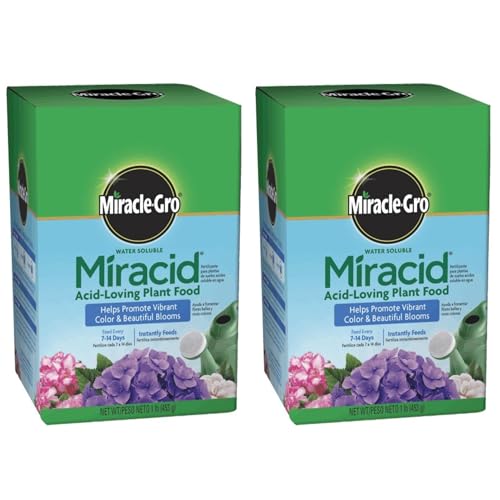
Best for quick-acting needs, this water-soluble formula is designed to instantly feed acid-loving plants such as azaleas, hydrangeas, and rhododendrons. It provides a dual feeding action through both roots and leaves, helping established shrubs recover faster and maintain vibrant color. Choose this if you want rapid results for acid-loving evergreens that show signs of nutrient stress.
Who it’s best for: Homeowners with established acid-loving shrubs seeking fast nutrient uptake and a straightforward dissolving formula. Benefits include immediate leaf and root feeding, helping plants stay vibrant in challenging soils.
Caution: Over-application can lead to fertilizer burn. Always follow label directions and avoid applying to standing water or saturated soil.
Espoma Holly-Tone 4-3-4 Natural & Organic Evergreen & Azalea Plant Food

Best for long-term soil health and steady nutrient release, Holly-Tone is the original organic option for acid-loving plants. The 4-3-4 analysis with sulfur supports azaleas, hydrangeas, rhododendrons, and evergreens while delivering nutrients gradually through natural organics and Bio-tone beneficial microbes. Choose this if you want environmentally friendly, slow-release feeding that builds soil structure over time.
Who it’s best for: Gardeners prioritizing organic feeding and long-term soil improvement over quick bursts of growth. It’s well suited for those who plant a mix of azaleas, blueberries, camellias, and evergreen shrubs in acidic soils.
Caution: Depending on soil conditions, the release rate may be slower in cooler weather. Plan feeding around the growing season to maximize benefits.
Miracle-Gro Tree & Shrub Plant Food Spikes

Best for rooted, slow release nutrients directly at the root zone, these spikes are ideal for deciduous, flowering, evergreen trees, and acid-loving shrubs like hydrangeas and azaleas. The method minimizes surface runoff and makes feeding convenient for large landscape plantings. Choose this if you prefer a hands-off feeding approach with consistent root nourishment.
Who it’s best for: Property owners with multiple trees or shrubs who want a simple, targeted feeding method and longer intervals between applications. It’s particularly suitable for evergreen trees that require steady nutrient support for year-round color and growth.
Caution: Spikes must be placed properly around root zones; improper placement can limit effectiveness or cause uneven growth. Follow package guidance for spacing and depth.
GARDENWISE 8-4-8 Acidic Fertilizer

Best for comprehensive acid-loving plant care, GardenWise 8-4-8 contains essential magnesium, iron, and manganese to prevent chlorosis in acid-loving plants such as azaleas, camellias, rhododendrons, hydrangeas, magnolias, and evergreens. It also acts as a soil acidifier to optimize growth conditions. This makes it a strong all-around choice for gardeners dealing with neutral or alkaline soils.
Who it’s best for: Gardeners who want an all-in-one formula that both feeds and acidifies soil, improving color and vigor across a range of acid-loving species.
Caution: The soil acidification effect can vary by existing soil pH; monitor soil pH if you’re applying repeatedly in the same beds.
Down To Earth All Natural Acid Mix

Best for a natural, plant-based acid mix, this option is tailored for blueberries, rhododendrons, azaleas, camellias, hydrangeas, evergreens, and other acid-loving plants. It emphasizes a low-pH-friendly composition to support lush blooms and robust fruiting. Choose this if you prefer an all-natural approach and want to support a diverse set of acid-loving plants with a single product.
Who it’s best for: Gardeners seeking a natural, organic-feeling formula with a focus on acid-loving fruiting and flowering plants, including blueberries and azaleas.
Caution: The product’s performance depends on soil chemistry; consult soil test results to tailor application rates and timing.
Buying Guide: Key Considerations For Choosing Acid Fertilizers For Evergreens
- Soil pH and plant needs: Start with a soil test. If your soil already leans acidic, you may prefer slow-release organic options. If pH is higher, some iron or magnesium enriched formulas can help chlorosis-prone evergreens.
- Form and ease of use: Granular, water-soluble, and spikes each have pros. Spikes offer convenient, targeted root feeding for larger trees; water-soluble formulas provide quick uptake; granular blends offer steady, long-term feeding.
- Target plants: For acid-loving evergreens like rhododendrons, azaleas, camellias, and blueberries, select formulas explicitly designed for acid-loving species. Consider combinations that include iron and manganese to combat chlorosis in heavy-feeding shrubs.
- Timing and frequency: Early spring feeding supports new growth, with follow-up applications during peak growth periods. Organic blends often release nutrients slowly, reducing the risk of burn and runoff.
- Environmental impact: Organic and natural blends tend to be friendlier for soil biology. If you have a sustainable garden, prioritize products with Bio-tone or other soil-friendly ingredients when available.
- Seasonal considerations: In cold climates, avoid late-season feeding that can promote new growth vulnerable to frost. In warmer areas, stagger applications to align with active growth periods.
Frequently Asked Questions
- What is the best fertilizer for acid-loving evergreens?
- Can I use any fertilizer on evergreen shrubs?
- How often should I fertilize acid-loving evergreens?
- Will fertilizer burn harm my plants?
- Should I soil test before applying acidifying fertilizers?
- Do organic fertilizers work as well as synthetic ones for acid lovers?
Direct answers:
- The best fertilizer depends on your soil pH and plant species; an acid-specific formula with micronutrients like iron is often beneficial for evergreens prone to chlorosis.
- Not all fertilizers are suitable for acid-loving evergreens. Use products labeled for acid-loving plants or those designed to lower soil pH gradually.
- Fertilize according to label directions, typically in early spring and possibly a supplemental application mid-season depending on plant vigor and soil conditions.
- Fertilizer burn is possible. Avoid over-application and ensure soil moisture is adequate during and after application.
- Yes, a soil test helps tailor nutrient needs and pH adjustments to your landscape, guiding product choice and application rate.
- Organic options release nutrients more slowly but can be equally effective when used as part of a long-term soil health strategy.