Pond maintenance hinges on choosing the right algae remover that is effective yet safe for fish, plants, and beneficial bacteria. This guide highlights five reliable products you can consider to control green water, string algae, and blanketweed without harming aquatic life. Each option below is designed for ornamental ponds and water gardens, offering different modes of action—from algaecides to sludge cleaners and bacterial treatments. Use the information to compare how quickly they work, what they treat best, and any safety notes for fish and plants. The summary table below helps you quickly scan key details before diving into in‑depth reviews.
| Product | Brand | Primary Use | Notes |
|---|---|---|---|
| API POND ALGAEFIX | API | Algae control | Effective against green water and various algae; safe for fish when used as directed |
| Algaway 5.4 | MICROBE-LIFT | Algae control | EPA-registered; safe for koi and goldfish; does not affect plants when used properly |
| Crystal Blue Natural Pond Cleaner | Crystal Blue | Muck and debris removal | Breaks down muck; supports bacteria; natural approach |
| POND ECOFIX SLUDGE DESTROYER | API | Sludge removal | Breaks down waste and organic buildup; clarifies water |
| TetraPond Algae Control | Tetra | Algae control | Controls green water and various algae; designed for ponds with plants |
Important note: Always follow label directions, perform a water test if available, and monitor fish behavior after applying any treatment. When in doubt, start with the lowest effective dose and avoid combining products unless explicitly approved by the manufacturer.
API POND ALGAEFIX Algae Control

The API POND ALGAEFIX Algae Control is a widely used solution for green water algae, string algae, hair algae, and blanketweed in ornamental ponds and water gardens. This 32-ounce bottle is designed to target algae while keeping pond life safe when used according to label directions. The product description emphasizes its ability to eliminate green water algae and to help maintain clear water by preventing algae blooms. It is a practical choice for pond owners facing recurring algae issues, especially in sunny climates where algae tends to proliferate. For best results, apply consistently as part of a broader maintenance plan that includes proper filtration and regular partial water changes. Some users report noticing clearer water within days, though results can vary with pond size, stocking levels, and sunlight exposure. Always test in a small area first if you’re new to algaecide treatments.
Key considerations: Algae control can reduce photosynthetic blooms but may require ongoing treatments during peak sunlight periods. This product is not a fertilizer, and overuse can stress aquatic life. If you have sensitive species or high fish density, consider a staged treatment and monitor color, oxygen levels, and fish activity closely.
MICROBE-LIFT Algaway 5.4

Algaway 5.4 by MICROBE-LIFT is an EPA-registered beneficial algaecide designed for outdoor ponds and water features. It targets string algae, suspended algae blooms, and general algae growth, helping to keep water clearer and more visually appealing. A defining feature is its assertion that it is 100% safe for all pond fish and plants, which makes it attractive for ponds with diverse inhabitants. However, the label notes that it should not be used with certain crustaceans or mollusks, so users with snails or shrimp should verify compatibility before application. Use Algaway as part of a regular maintenance cycle, especially during warm seasons when algae thrive.
In practice, Algaway 5.4 can help reduce algae buildup after a cycle of cleaning or muck removal. It supports clearer water by slowing algae growth rather than just fighting existing blooms. As with any chemical treatment, plan for aeration after application to sustain oxygen levels, and avoid applying during peak sunlight if possible to minimize stress on fish. Some users pair this product with beneficial bacteria or mechanical filtration to enhance overall pond health.
Crystal Blue Natural Pond Cleaner

Crystal Blue Natural Pond Cleaner focuses on muck and sludge removal while supporting a natural bacteria balance. This product emphasizes breaking down pond muck and dead vegetation, which can contribute to nitrates and phosphates feeding algae if left unchecked. By helping to neutralize these nutrients and boosting beneficial bacteria, Crystal Blue aims to improve water clarity and overall pond health. It is designed to be a natural approach, reducing odors and contributing to a healthier pond ecology. Users should recognize that muck removal is not the same as direct algicide; instead, it complements algae control by addressing the root causes of cloudy water.
When deploying this cleaner, consider circulation and aeration to ensure the breakdown products are carried away and oxygen levels remain stable. Regular maintenance, including debris removal and plant management, supports longer-lasting clarity. For ponds with heavy organic loads, combining Crystal Blue with a reputable algae control product could yield more balanced results without over-reliance on chemical treatments.
POND ECOFIX SLUDGE DESTROYER
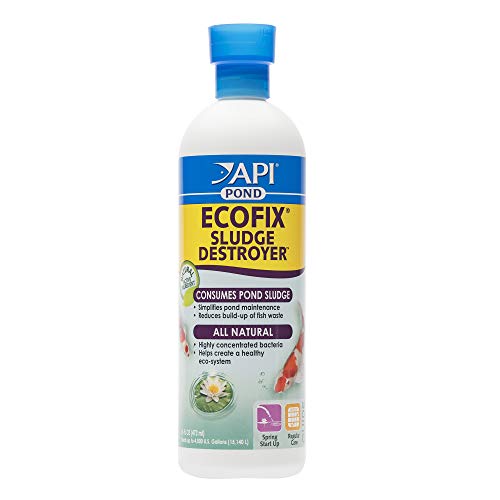
POND ECOFIX SLUDGE DESTROYER is a sludge-destroying cleaner that emphasizes natural active ingredients to break down fish waste, leaves, grass clippings, and other organic matter at the bottom of ponds. It acts as a pond water clarifier by targeting sludge and detritus that can otherwise accumulate and harbor odor-causing compounds. This product is positioned as safe for fish and aquatic life when used as directed, making it suitable for ponds with fish, plants, and beneficial bacteria populations. The primary benefit is improving water clarity and reducing bottom muck, which often contributes to poor water quality and reduced oxygen diffusion.
Practical use involves applying the product to the pond and allowing circulation to distribute it evenly. For best results, combine with mechanical cleaning to remove solids and maintain a healthy balance of bacteria. Regular monitoring of ammonia and nitrite levels is advised in heavily stocked ponds or those with significant debris input. This product can be a good fit for ongoing maintenance as part of an integrated pond management plan.
Muck Remover GP by Natural Waterscapes

Muck Remover GP uses beneficial bacteria and enzymes in pellet form to break down pond muck, dead leaves, fish waste, and other organic debris. It’s designed to operate across a broad temperature range, extending the treatment season beyond peak warmth. The product supports a healthier pond by accelerating the digestion of organic matter that can settle and decompose, contributing to oxygen depletion and odors if left unmanaged. It’s especially helpful in koi ponds, garden ponds, and other water features with substantial organic input. Regular dosing can help maintain clearer water and reduce the frequency of more intensive muck-removal efforts.
When using Muck Remover GP, follow the manufacturer’s dosing guidelines to avoid overloading the biofilter. It pairs well with a strong filtration system and routine pond cleaning. If you’re new to bacteria-based muck removers, start with a lower dose and observe how your pond responds through a full week before increasing. This approach helps prevent sudden shifts in water chemistry while still delivering gradual improvements in clarity and odor control.
TetraPond Algae Control Treatment

TetraPond Algae Control is designed for use with fish and plants, offering a treatment that targets green water, string algae, and other common aquatic weeds. The 33.8-ounce bottle is positioned for ponds with moderate to large surface areas, providing a practical solution for ongoing algae management. The product notes that it is suitable for ponds containing plants, which is helpful for hobbyists who want to maintain a balanced ecosystem without sacrificing aquatic vegetation. As with any algaecide, apply per label directions and avoid overdosing. Regular monitoring and proper filtration are essential for maintaining clear water long term.
Prospective users should consider compatibility with existing fish populations and plants, especially if there are sensitive species. Because algaecides can influence dissolved oxygen and ammonia dynamics, plan for good aeration during treatment and implement a maintenance schedule that includes partial water changes and routine testing. TetraPond Algae Control can be a strong addition to your algae-management toolkit when paired with mechanical filtration, beneficial bacteria, and routine pond hygiene practices.
Buying Guide
Choosing the best pond algae remover involves balancing effectiveness, safety, and compatibility with your pond’s ecosystem. Consider the following factors to help guide your decision:
- Target algae type: Some products are better for green water, while others address blanketweed or string algae. Identify the dominant problem in your pond before selecting a product.
- Fish and plant safety: Look for EPA-registered or explicitly labeled products that indicate safety for koi, goldfish, plants, and beneficial bacteria when used as directed. Avoid products with unclear safety profiles if your pond hosts sensitive species.
- Mode of action: Chemical algaecides can rapidly reduce algae, while sludge removers and bacteria-based products address underlying conditions contributing to algae growth, such as organic buildup and nutrient levels.
- Water chemistry: Monitor ammonia, nitrite, nitrate, pH, and dissolved oxygen before and after treatments. Treatments can shift water chemistry, especially in densely stocked or heavily organic ponds.
- Aeration and filtration: Adequate aeration helps maintain oxygen during treatments and supports beneficial bacteria. A robust filtration system reduces sludge and debris, improving treatment efficacy.
- Pool size and dosage: Always follow label directions for the pond volume. In larger ponds, consider staged applications and longer treatment windows to minimize stress on fish.
- Combination use: Do not mix products unless the label permits it. Some algaecides can interact with clarifiers or bacteria-based treatments in unpredictable ways.
- Maintenance plan: Algae control is most effective as part of an integrated plan that includes regular cleaning, plant management, partial water changes, and routine testing.
In summary, the best option often depends on your pond’s specific conditions: sun exposure, plant density, fish stocking level, and whether you primarily struggle with algae blooms or muck buildup. The products reviewed above offer a spectrum of approaches—from direct algaecide action to muck removal and beneficial bacteria—to help you maintain a clear, healthy pond environment for fish and plants alike.