Indoor plant care often hinges on preventing fungal issues such as powdery mildew, leaf spots, and other diseases that thrive in warm, humid spaces. The following fungicides are suitable for indoor use and come from reputable brands offering organic or low-toxicity options. This guide highlights five products that address common houseplant problems, with practical notes on application, safety, and effectiveness to help you protect your greens without compromising indoor air quality or pet safety.
| Product | Brand | Main Benefit | Indoor Use |
|---|---|---|---|
| Earth’s Ally 3-in-1 Plant Spray | Earth’s Ally | Insecticide, miticide, fungicide triple action | Yes |
| Garden Safe Fungicide3 | Garden Safe | Multi-purpose fungicide with neem oil | Yes |
| FortaGrow Plant Disease Control Spray | FortaGrow | Natural thyme oil fungicide | Yes |
| Trifecta Crop Control Ready to Use | Trifecta | All-natural pest, disease, and fungus control | Yes |
| ARBER Organic Insecticide & Fungicide | ARBER | Powdery mildew and broad pest control | Yes |
Earth’s Ally 3-in-1 Plant Spray

Earth’s Ally 3-in-1 Plant Spray provides a triple-action approach for indoor plant care. The product combines insecticide, miticide, and fungicide features in a formula that leverages botanical oils to manage soft-bodied insects such as spider mites, aphids, whiteflies, and scale, while also addressing fungal diseases. This makes it especially useful for houseplants prone to powdery mildew or leaf spots when humidity and airflow are less than ideal. The botanical blend aims to reduce reliance on harsher synthetic chemicals, aligning with common consumer preferences for organic or plant-friendly solutions. The spray is designed for both indoor houseplants and outdoor plants, offering flexibility for mixed-use spaces. Always test on a small leaf area before broad application to ensure compatibility with sensitive varieties.
Key considerations:
- Effective against common pests that accompany fungal issues, potentially reducing the need for separate products.
- Botanical oils may provide safer use around pets and children when used as directed.
- Follow label instructions for frequency and coverage, especially in densely planted spaces.
Garden Safe Fungicide3

Garden Safe Fungicide3 is a versatile option for organic gardening that combines fungicide, insecticide, and miticide properties. Its neem oil extract helps suppress a range of fungal diseases such as black spot, rust, and powdery mildew while also addressing insect pressure that often accompanies plant disease. The multi-purpose nature of this product can be convenient for households managing both houseplants and outdoor plants, providing a consolidated solution for shared spaces like sunrooms or patios. The neem-based approach can be gentler on beneficial organisms and pets when used as directed, but it remains important to apply in well-ventilated areas and to avoid overuse that can lead to phytotoxicity in sensitive varieties.
Key considerations:
- Neem oil provides natural antifungal action with added insect control benefits.
- Suitable for organic gardening; follow directions to minimize leaf burn on sensitive plants.
- Coats foliage effectively but may require multiple applications for persistent problems.
FortaGrow Plant Disease Control Spray

FortaGrow brings a natural thyme oil-based fungicide to indoor plant care. Thyme oil is recognized for antifungal properties and a plant-based formulation that avoids copper or synthetic residues. This makes the product attractive to households seeking safe alternatives for sensitive indoor environments, including those with children or pets. The spray targets common foliar diseases such as powdery mildew, botrytis, and anthracnose, offering contact protection that helps halt disease spread when applied to affected leaves. While effective, users should apply preventively and between waterings to maximize coverage and limit potential leaf spotting from concentrated essential oils.
Key considerations:
- Natural, plant-based active ingredient reduces chemical exposure indoors.
- Best used as part of a preventative routine and after initial signs of disease appear.
- Avoid over-wetting and apply in well-ventilated areas to minimize scent exposure.
Trifecta Crop Control Ready to Use
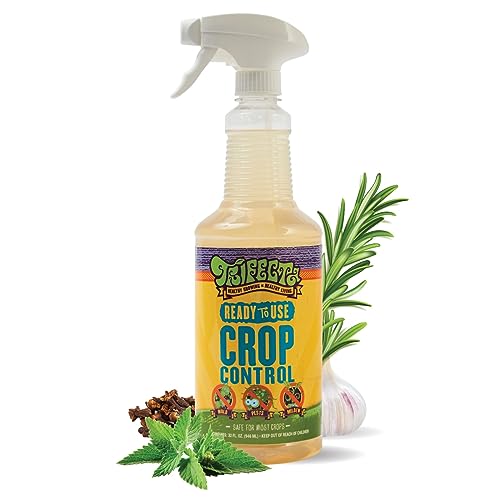
Trifecta Crop Control is an all-natural, ready-to-use solution designed to combat common plant pests and diseases in both indoor and outdoor settings. The product emphasizes mite control, powdery mildew, and botrytis, with a focus on safe use around edible crops and minimal residue. Its plant-based formulation is designed to satisfy gardeners seeking ecological options that do not introduce synthetic toxins into indoor spaces. The solution is suitable for houseplants, greenhouses, and small gardens, providing a broad-spectrum approach to protect plant health. When using indoors, follow a careful spray schedule to avoid oversaturation of leaves and ensure proper drying before returning plants to living spaces.
Key considerations:
- All-natural composition supports eco-friendly indoor gardening.
- Effective against both pests and fungal diseases with broad compatibility.
- Ideal for homes aiming to maintain minimal chemical footprint while protecting plant health.
ARBER Organic Insecticide & Fungicide

ARBER’s Organic Insecticide & Fungicide is designed to deliver a broad spectrum for powdery mildew control and common pests that affect indoor plants. The product emphasizes being safe for home use while providing effective protection against a range of threats that damp environments can foster, such as leaf spots and mildew. The formulation is suitable for houseplants, vegetables, and ornamental plants used indoors, offering flexibility for mixed plant collections. Like many organic or low-toxicity products, efficacy can be enhanced when used as part of an integrated approach that combines proper airflow, humidity control, and regular inspection of foliage.
Key considerations:
- Broad-spectrum action supports both pest and fungal management.
- Designed for safe home use with attention to label directions.
- Consider alternating with other fungicides to prevent resistance in persistent problems.
Buying Guide: Key Purchase Considerations for Indoor Plant Fungicides
When choosing a fungicide for indoor plants, several factors influence effectiveness and safety. First, assess whether you need a fungicide alone or a multi-action product that also addresses pests. Indoor environments favor products with lower odor, reduced risk of phytotoxicity, and ingredient choices that are gentler on pets and humans. Consider the following:
- Active ingredient and mode of action: Plant-based oils (neem, thyme) can be effective but may require more frequent applications. Copper-based fungicides offer strong protection but can be more toxic to certain species and may accumulate in edible plants if used improperly.
- Target diseases and pests: Powdery mildew, leaf spots, botrytis, and spider mites are common indoors. Choose products proven to address your specific problems and consider rotating ingredients to minimize resistance.
- Plant compatibility: Test any new product on a small leaf area before broader use. Sensitive varieties or newly transplanted plants may react to certain oils or copper compounds.
- Indoor safety: Prioritize low-odor formulas and products labeled for indoor use. Ensure good ventilation during and after application and keep containers out of reach of children and pets.
- Application guidelines: Pay attention to coverage, ease of use, and drying time. Some products require thorough leaf coverage, while others work best as preventative sprays on a schedule.
- Compatibility with organic growing goals: If organic certification is important, select products explicitly labeled for organic gardening and follow all certification guidelines.
To optimize results, integrate these products with best-practice indoor plant care: improve air circulation with fans, reduce humidity when possible, water at base rather than overhead to limit wet foliage, and inspect plants weekly for early signs of disease or pest activity. An informed, measured approach helps protect houseplants while minimizing risks to people, pets, and the home environment.