If you’re seeking seed mixes that attract beneficial insects while brightening your yard, you’ve found a practical guide. This article highlights five seed blends designed to draw pollinators like bees and butterflies, encourage natural pest control, and support biodiversity. Each product is suited to different garden sizes, climates, and maintenance levels. Use this guide to choose seeds that match your space and goals, whether you want a low-maintenance ground cover, a decorative wildflower bed, or a monarch-friendly mix.
| Product | Best For | Why Choose |
|---|---|---|
| Beneficial Bug Attractor Wildflower Seed Mixture | Small to medium yards, color display | Balanced mix designed to attract helpful insects and provide a colorful display |
| Outsidepride Insectary Wildflower Seed Mix | Pollinator gardens, biodiversity | Blend of annuals and perennials for ongoing nectar sources |
| HOME GROWN Monarch Butterfly Wildflower Seeds Mix | Monarch-friendly gardens | Milkweed and nectar flowers to support monarchs and other pollinators |
| HipGirl EarlyBird Wildflower Mix | Bees, butterflies, hummingbirds | Diverse annuals and perennials with broad attraction |
| SunHaven California Giants Zinnia Mix | Colorful mass plantings | Large blooms for visual impact and nectar-rich flowers |
Beneficial Bug Attractor Wildflower Seed Mixture

This seed mix focuses on attracting beneficial insects while delivering a vibrant yard display. It’s appropriate for gardeners who want a quick germination window and moderate plant height variation. Best for medium-sized beds that can showcase color while supporting a natural pest-control strategy.
- Germination: 7–28 days
- Plant density: 9–18 lbs per acre
- Height: 12–48 inches
Best for: gardeners seeking a balanced blend that adds color and attractants for beneficial insects. Choose this if you want a straightforward, eye-catching garden feature that also supports pest management. Limitation: data suggests variable height, so plan for staggered bloom and growth to maintain a cohesive display.
Outsidepride Insectary Wildflower Seed Mix

This mix blends annual and perennial wildflowers designed to attract beneficial insects and pollinators across seasons. It’s well-suited for diverse USDA zones, and it supports biodiversity by offering nectar across early spring to fall. Best for gardeners who want a robust, ongoing nectar source and a natural approach to pest management.
- Includes white yarrow, baby’s breath, candytuft, sweet alyssum, and more
- Supports pollinators and natural pest control
- Perennial and annual variety for extended color
Best for: creating a pollinator corridor and boosting biodiversity. Better for: gardeners wanting long-term nectar sources. Caution: results depend on regional climate and blooming patterns.
HOME GROWN Monarch Butterfly Wildflower Seeds Mix

This mix prioritizes monarch butterfly habitats with a strong emphasis on milkweed and nectar-rich perennials. It’s ideal for monarch supporters and gardeners who want a resilient wildlife-friendly bed that returns year after year. It creates season-long color while supporting essential biodiversity and pollinator health.
- Over 20,000 seeds including butterfly weed and milkweed
- Season-long color display from spring to fall
- Easy-to-grow, beginner-friendly with perennial returns
Best for: monarch-friendly landscapes and pollinator gardens. Better for: those prioritizing butterfly habitat. Caution: ensure milkweed presence aligns with local regulations and local wildlife considerations.
HipGirl 2026 EarlyBird Seed Mix
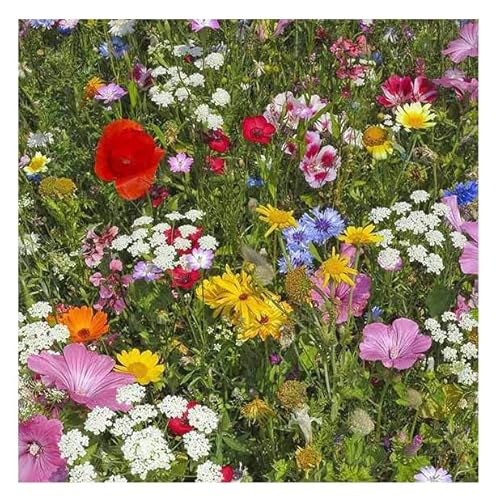
This seed blend contains 23 varieties of perennials and annuals, designed to attract bees, butterflies, hummingbirds, and other beneficial insects. It includes butterfly milkweed and a diverse set of nectar plants. Best for gardeners who want a multi-season, varied garden that supports a broad pollinator community.
- Germination rate around 85%
- Includes butterfly-friendly species and nectar plants
- Annuals and perennials provide quick and lasting color
Best for: a diverse, ecological garden that attracts a broad spectrum of pollinators. Better for: gardeners who want a rich, layered habitat. Caution: the listing notes a large mix; plan spacing to prevent overcrowding and ensure bloom succession.
SunHaven California Giants Zinnia Mix
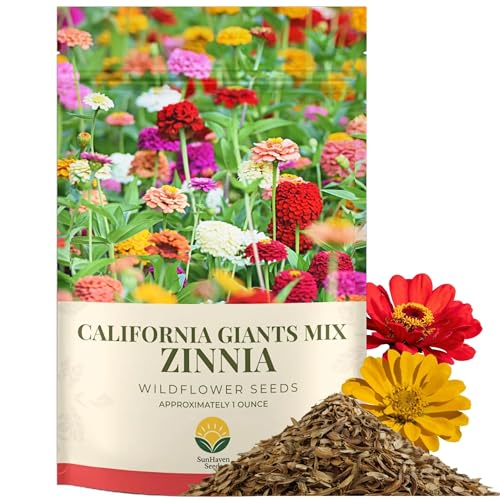
This is a high-impact mix featuring large, vibrant zinnia blooms that attract pollinators while delivering bold color for beds and borders. Ideal for mass plantings and cut-flower arrangements, it’s a practical choice if you want quick, noticeable color that also supports pollinators.
- 1 oz packet, 4,000+ seeds cover about 75 sq ft
- Large 5-inch blooms in a range of bright colors
- Fast-growing annuals suitable for full sun
Best for: dramatic color blocks and pollinator-friendly borders. Better for: gardeners seeking easy, low-maintenance annual color. Limitation: zinnias are annuals; once the season ends, replanting is required for ongoing color.
Buying Guide
What should you consider when choosing a beneficial insect seed mix?
- Pollinator targets: Decide which insects you want to attract—bees, butterflies, butterflies and hummingbirds, or monarchs. Some blends include more nectar flowers; others emphasize host plants like milkweed.
- Longevity: Do you want annuals, perennials, or a mix? Perennials provide long-term color and habitat with less replanting, while annuals offer quick, bold displays.
- Germination and planting window: Look for seeds with short germination times if you want faster color. Consider your local climate and frost dates to maximize establishment.
- Care and maintenance: Some blends require regular watering and weeding; others are low maintenance once established. Consider your irrigation setup and sun exposure.
- Site suitability: Match the mix to sun/shade, soil type, and space. Ground covers suit areas needing erosion control; tall wildflowers work in borders and wildflower meadows.
How do you plan the garden layout?
- Group by bloom time: Combine early, mid, and late-blooming species for extended nectar availability.
- Layer plants: Place taller species toward the back or center and shorter species at the edges for visual depth and accessibility to pollinators.
- Maintenance plan: Consider ongoing weeding, watering, and seasonal reseeding for annuals to maintain continuous color and pollinator support.
Frequently Asked Questions
- What is a beneficial insect seed mix?
A seed mix designed to attract helpful insects such as bees, butterflies, ladybugs, lacewings, and predatory beetles to improve pollination and natural pest control.
- Are these mixes suitable for small gardens?
Yes. Several blends are scalable and work well in small beds, containers, or borders with careful spacing and sun exposure planning.
- Do these mixes require maintenance?
Maintenance varies by blend. Some mixes are low maintenance after establishment; others benefit from regular watering and occasional reseeding for continuous color.
- Can I plant these mixes in shady areas?
Most beneficial insect mixes prefer full sun but some perennials tolerate partial shade. Check each product’s sun tolerance before planting.
- Will these seeds attract pests?
Properly selected nectar plants attract beneficial insects that help control pests. Avoid creating isolated patches where pests can thrive; a diverse garden helps balance ecosystems.