Answering the question “how to control moss and algae in ponds,” this guide highlights proven products that target submerged and floating vegetation, green algae, and mossy buildup. These selections are best for pond owners seeking long-lasting control, ease of use, and safe formulas for fish, plants, and wildlife. The top picks are suitable for Homeowners Associations, landscape managers, and dedicated pond hobbyists who want reliable, low-maintenance treatments. Below, you’ll find five relevant products, a quick buying table, and practical buying guidance.
Summary table of chosen products:
– Airmax Wipeout Pond Weed Defense: All-season, systemic weed control for submerged and floating vegetation.
– The Pond Guy InstaFix Algae Control: Fast-acting liquid algaecide for green water and string algae.
– Airmax Algae Defense: EPA-registered algaecide for broad algae control in lakes and large ponds.
– Tetra Pond Block: Algae control blocks for ornamental fish ponds; best when no live plants are present.
– API POND ALGAEFIX (1 gallon): Copper-free algae control for large volumes; safe for fish and plants.
Best All-Season Pond Weed Defense for Submerged Plants
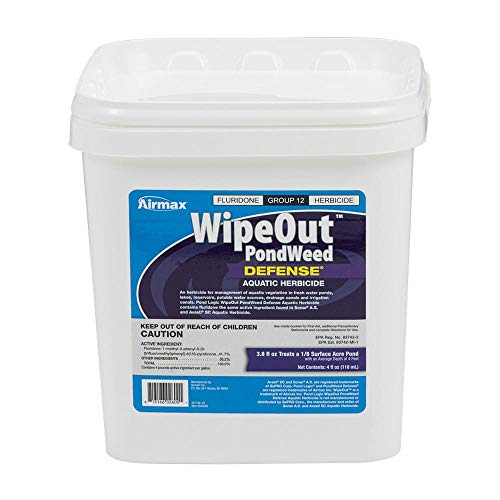
Best for large water bodies and busy pond owners who want long-term suppression of submerged and floating weeds. Airmax Wipeout combines a systemic fluridone herbicide with a simple application method. It slows weed growth by dechlorophyllizing target plants, reducing nutrient uptake without rapid oxygen loss or fish kill. This makes it a solid choice for ponds managed by HOAs, golf courses, or commercial facilities where seasonal maintenance is preferred. It is effective on duckweed, water lilies, coontail, hydrilla, elodea, lily pads, and many other common species.
- Long-Term Control: All-season treatment for the entire water body.
- Broad Spectrum: Effective on floating and submerged weeds.
- Easy Application: Mix with pond water and apply at multiple edge points; no equipment required.
Who this is best for: Pond owners needing steady, season-long weed suppression with minimal upkeep. Choose this if you have a mix of floating and submerged weeds and want a hands-off approach after initial application. A potential limitation is that results depend on uniform distribution and pond size; larger, irregular ponds may require careful dosing to avoid uneven control.
Fast-Acting Algae Control For Water Gardens

The Pond Guy InstaFix Algae Control is designed for rapid algae suppression in outdoor water gardens, fountains, and birdbaths. This EPA-registered liquid algaecide targets excessive algae blooms, green water, blanketweed, and string algae. It is best for ponds with visible algae issues that require quick improvement and for ongoing maintenance when aeration, waterfalls, or fountains are present to maximize effectiveness. The product is straightforward to apply around the pond’s edge for even distribution.
- Fast Acting: Quick reduction of existing algae and prevention of new growth.
- EPA Registered: Formulated to be effective while minimizing risks to non-target organisms.
- Maintenance Friendly: Suitable for weekly treatments during active seasons.
Who this is best for: Pond owners dealing with clear, conspicuous algae blooms or those who want a dependable maintenance routine. Better for smaller to mid-sized ponds with good water movement. Limitation: not specifically a weed-killer for submerged plants; focused on algae control, so it complements other weed-control strategies rather than replacing them.
Broad Algae Defense For Lakes And Ponds
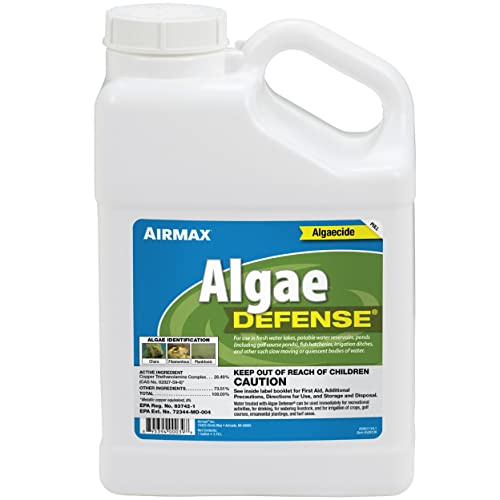
Airmax Algae Defense is a gallon-scale algaecide designed for larger water bodies, including lakes and expansive ponds. It is a copper-based, EPA-registered solution that targets a wide range of algae, including floating clumps and bottom-growing mats like chara. The product is suitable for direct spray applications to algae blooms and can help maintain clearer water when used per label directions. It is especially useful when algaecide performance is needed across extensive shoreline areas.
- Broad Spectrum: Effective against various algae forms, including floating and bottom-growing species.
- Large Volume Use: Suitable for bigger ponds and lake environments.
- Direct Application: Spray onto visible blooms for quick knockdown.
Who this is best for: Owners of larger ponds or small lakes where algae are widespread and ongoing maintenance is required. Limitation: copper-based formulations can impact certain sensitive plants; ensure compatibility with aquatic vegetation and follow label restrictions.
Algae Growth Control For Ornamental Ponds

Tetra Pond Block is a convenient, slow-release option designed to control algae growth in ornamental fish ponds. Each block covers a defined volume and helps limit algae buildup in environments that lack live aquatic plants. This product is particularly suitable for ponds where a low-maintenance, steady treatment is preferred and where plant life is minimal or absent. The blocks simplify dosing for steady, long-term control.
- Targeted Algae Control: Helps slow algae growth in decorative ponds.
- Low Maintenance: Pre-formulated blocks simplify dosing.
- Limitations: Not recommended for ponds with live plants; use in appropriate contexts to avoid plant impact.
Who this is best for: Pond owners with ornamental fish ponds that do not hold live aquatic plants, or where plant management is not a priority. Choose this if you want a simple, consistent approach without frequent dosing. Avoid if you maintain aquatic vegetation in the pond.
Copper-Free Algae Control For Large Water Bodies
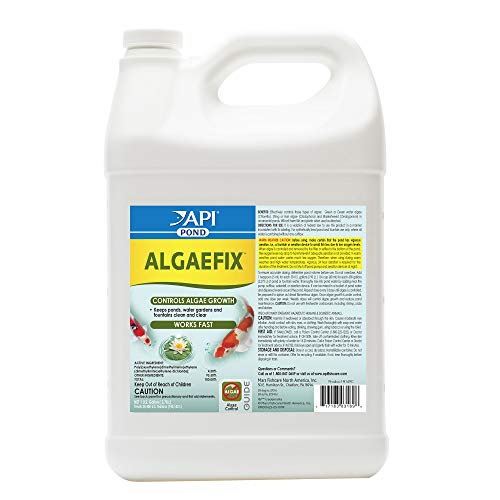
API POND ALGAEFIX (1 gallon) offers copper-free algae control for large ponds and water features. It addresses a range of algae types, including green water and filamentous varieties, while claiming safety for fish, plants, and wildlife when used as directed. The product is EPA-registered and designed for high-volume treatment up to 38,400 gallons, making it suitable for substantial ponds and decorative water features where quick algae reduction is needed without copper-based ingredients.
- Copper-Free Formula: Safety focus for fish and aquatic plants.
- High Volume Coverage: Treats up to 38,400 gallons.
- Fast and Effective: Targets multiple algae types including green water and filamentous forms.
Who this is best for: Large ponds and water gardens requiring broad algae control with a copper-free approach. Choose this if you need a robust, high-volume solution that prioritizes safety for aquatic life. Limitation: while broad, it focuses on algae rather than submerged weed control; use alongside weed-targeted products if necessary.
Buying Guide: How To Choose The Right Moss And Algae Control For Your Pond
What type of algae or moss are you dealing with?
Identify whether you’re targeting green water, string algae, blanket weed, or bottom-growing moss. Some products excel at rapid algae suppression, while others focus on submerged or emergent weeds. Matching the product to the problem improves results and reduces the need for repeated applications.
Is your pond large or small?
Large ponds benefit from high-volume treatments (for example, gallon-sized algaecides intended for lakes and large ponds). Smaller ponds may respond better to concentrated, edge-applied products or blocks designed for limited volumes. Always scale the product’s recommended volume to your pond size for even coverage.
What is present in your pond flora?
Pond water that contains live plants requires careful product selection. Copper-based algaecides can affect some aquatic plants, while copper-free formulas are generally safer for plant life. If you have a planted pond, favor copper-free or plant-safe options and plan for targeted dosing to minimize impact on vegetation.
How often do you want to apply?
Some products are designed for one-time, all-season treatment, while others are intended for ongoing maintenance. If you prefer minimal maintenance, choose a product with longer residual effect or a schedule that aligns with seasonal growth. If you need rapid results, a fast-acting algaecide is beneficial, but plan follow-up treatments to prevent resurgence.
Safety and environmental considerations
Review EPA registration, safety for fish, plants, and pets, and whether the formula is copper-based or copper-free. Consider the presence of non-target species, nearby water sources, and potential runoff. Always follow label directions precisely to avoid unintended harm and ensure effective control.
Combination strategy
Often the best approach uses a combination of products: a weed-control product for submerged or emergent vegetation, paired with an algaecide for algae control. This multi-pronged strategy can provide clearer water and healthier pond ecosystems. Plan applications around weather, aeration, and feeding schedules to maximize efficacy and minimize disruption to beneficial bacteria and wildlife.
Maintenance planning
Develop a simple maintenance calendar: baseline seasonal treatment, mid-season checks for new growth, and post-event treatments after heavy rainfall or algae blooms. Keep a log of treatments and pond responses to fine-tune future applications and avoid overuse or conflicting products.
Frequently Asked Questions
- What should I treat first, moss or algae? Begin with algae-focused products to address green water and filamentous algae. Then address submerged or emergent moss and weeds with a targeted weed control product if necessary.
- Are these products safe for fish and plants? Most products are EPA-registered and marketed as safe when used as directed. Copper-free formulas are typically gentler on fish and aquatic plants. Always read the label for restrictions and safe uses.
- Can I use these products in a pond with live plants? Yes, but favor copper-free formulas and monitor plant health. For heavy weed load, combine weed-control products with algae control but stagger applications to minimize stress on plants.
- How do I know the right dosage for my pond? Follow the label’s specified concentration based on pond volume. For irregular or large ponds, consider consulting product guidelines or contacting the manufacturer for dosing recommendations.
- Will these products harm beneficial bacteria? When used as directed, most products do not disrupt beneficial bacteria significantly. Avoid excessive dosing and maintain proper pond aeration to support a healthy microbiome.
- How often should I apply after initial treatment? For rapid outbreaks, weekly maintenance may be needed. Otherwise, plan maintenance intervals according to growth patterns and environmental conditions.