Answer: A wood duck house kit is best for wildlife enthusiasts who want to provide safe nesting spaces while enjoying a hands-on, do‑it‑yourself project. The top picks below are suited for DIYers, outdoor lovers, and backyard conservationists who want sturdy, weather‑ready homes for wood ducks and related species. Each option prioritizes entry hole design, material durability, and ease of installation, with clear reasons to choose one over another based on setup needs and local predators. Read on to compare five well‑matched kits and find the best fit for your pond, wetland, or woodland setting.
Summary table of chosen products
| Product | Best For | Key Feature | Material |
|---|---|---|---|
| Coveside Unassembled Wood Duck House Kit | DIYers who want a ready‑to‑assemble pine shelter | Oval entry hole tailored to wood ducks | Sustainably harvested Eastern White Pine |
| Nalwort Duck House | Outdoor setups with flexible mounting and space | Versatile dual mounting options with pre-drilled holes | Natural solid wood |
| Punchau Cedar Wood Duck House | Weather‑resistant cedar option for ponds | 3×4 inch entry hole and anti‑weather build | Premium cedar |
| BirdoorKam Wood Duck House with Camera | Wildlife observation and remote viewing | Fully assembled with 4G camera bay | Cedar with weatherproof varnish |
| LitaiL Wood Duck Nesting Box | Predator‑resistant, safe exit for ducklings | Internal climbing ladder and predator guard | Pine wood |
Notes: The table above highlights practical distinctions among the top five picks. Consider installation location, predator risks, and whether you value on‑site viewing versus a simple nesting shelter when choosing.
Coveside Unassembled Wood Duck House Kit

Features: This unassembled kit includes precut pine panels and hardware to build a fully functional wood duck house. The oval entry hole is designed to fit wood ducks, creating a secure nesting area. Made from sustainably harvested Eastern White Pine, the thick boards provide insulation and weather resistance for outdoor use.
Best for: DIYers who want a sturdy, American‑made pine shelter that’s easy to assemble and weather‑ready. It suits hands‑on buyers who enjoy a true construction project and value sustainable materials. Cautions: assembly requires time and basic tools; ensure proper outdoor mounting to protect from strong winds.
Nalwort Duck House
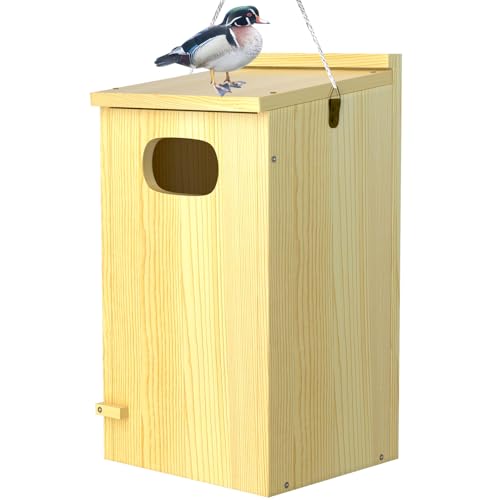
Features: This duck house offers versatile dual mounting options with a hanging rope and pre-drilled holes for screw installation. It provides a spacious interior for nesting and is made from untreated natural solid wood for a safe habitat. Nesting pads are not included.
Best for: Outdoor setups near ponds or wetlands where mounting flexibility matters. Choose this if you want an adaptable installation without adding nesting pads. Caution: Nesting pads are not included, so plan for adding bedding if needed.
Pine Wood Duck House 17x10x10 Inches
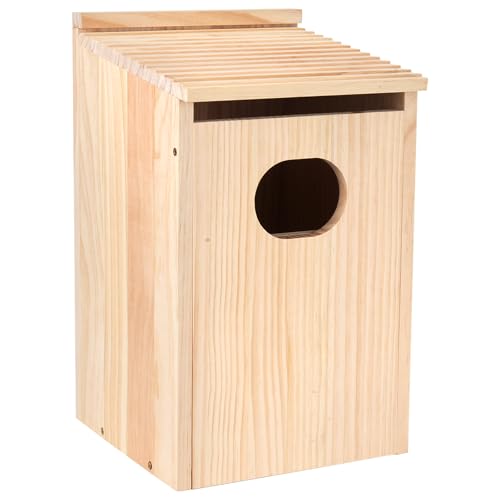
Features: Designed for wood ducks and hooded mergansers, this 17x10x10 inch pine house includes a 3×4 inch entrance hole for easy access and a staircase design below the entrance for ducklings to exit. Pine wood ensures durability in harsh weather.
Best for: Buyers seeking a traditional wooden nest box with a built‑in exit ladder. Better for: sites where a compact, species‑specific dwelling is desired. Limitation: The product data does not mention nesting pads or mounting hardware specifics.
Punchau Cedar Wood Duck House

Features: Cedar construction with a 17x10x10 inch footprint, 3×4 inch entry, and a duckling safe exit system via interior grooves acting as a ladder. Weather‑resistant cedar blends with natural landscapes and endures outdoor use.
Best for: Wetland or pond habitats that favor durable cedar and a baby‑duck friendly exit. Choose this if you want a safe, aesthetically pleasing shelter. Caution: Cedar can be heavier to mount than pine options.
BirdoorKam Wood Duck House With Camera

Features: Fully assembled cedar box with pre‑drilled mounting holes, weatherproof varnish, drainage holes, and rust‑proof locks. Includes a built‑in 4G camera bay for live observation (SIM card included). Note: Camera operates on 4G; no Wi‑Fi connection is required or supported.
Best for: Buyers who want real‑time video of nesting wood ducks without Wi‑Fi. Limitation: Requires a 4G data plan for camera use; data costs may apply outside coverage areas.
Wood Duck Nesting Box

Features: Easy swing‑open design for seasonal clean‑out, built‑in hardware cloth ladder, and vent holes for proper ventilation. No tools required for access.
Best for: Quick maintenance and ease of use for novice installers. Avoid this if you need a highly predator‑resistant system not relying on a swing‑open design.
Wood Duck Nesting House Outdoor – LitaiL

Features: Handcrafted from 100% pine wood with predator guard, a 3×4 inch oval entrance, and an internal climbing ladder. It emphasizes weather resistance and safe, natural nesting conditions.
Best for: Backyard ponds and lakes where predator protection and durable pine construction are priorities. Cautions: Pine wood needs proper sealing to ensure long‑term waterproofing in heavy rain areas.
Buying Guide
What should I consider when choosing a wood duck house kit?
- Material durability: Pine vs cedar; cedar holds up well in damp climates but can be heavier to install.
- Entry hole size: The oval 3×4 inch hole is common for wood ducks; ensure the design minimizes predator access.
- Mounting options: Wall, tree, or hanging mounts; choose kits with pre-drilled holes or mounting ropes that fit your site.
- Maintenance needs: Swing‑open designs simplify cleaning; consider nesting pad inclusion if needed for comfort.
- Camera viewing: If you want live observation, select a kit with a built‑in camera bay or ensure compatibility with your own setup; note data requirements for cellular cameras.
- Site location: Place away from excessive tree movement, in sheltered spots, and near water sources for natural duck activity.
Practical buying considerations
- Size and capacity: Ensure interior space accommodates expected clutch sizes and allows ducklings to emerge safely.
- Protection against predators: Look for predator guards, robust latches, and appropriate entrance hole design.
- Weatherproofing: Sealed finishes, proper roof pitch, and water drainage reduce maintenance and extend life.
- Ease of assembly: If you prefer a hands‑on project, opt for unassembled kits with clear instructions and included hardware.
FAQ
- Q: Which wood duck house kit is best for DIY beginners?
A: Kits with clear instructions and precut panels, like the Coveside Unassembled Kit, are beginner‑friendly. - Q: Are cedar wood options better for moisture-prone regions?
A: Cedar is naturally weather‑resistant and blends well with natural landscapes, making it a good choice where moisture is common. - Q: Do these houses require nesting pads?
A: Some models exclude nesting pads; plan to add bedding as needed for duck comfort and hygiene. - Q: Can I install a camera on any wood duck house?
A: Only select models include a camera bay or require additional camera mounting; cellular cameras need data coverage. - Q: What is the best placement height for a wood duck house?
A: Mount at a height that minimizes predator access and provides a natural water proximity for ducks to approach safely. - Q: Do these boxes come with mounting hardware?
A: Many include pre‑drilled holes or mounting ropes; verify package contents before purchase.