Answering the common buyer question: which stainless steel garden forks deliver durable performance for weeding, soil loosening, and cultivation? This guide compares five well-rounded options ideal for home gardens, allotments, and raised beds. Each pick is best for specific tasks like uprooting large weeds, turning compacted soil, or comfortable all-day use. Choose based on length, handle design, tine count, and how you work the soil. Below is a quick summary to help you compare at a glance.
| Product | Best For | Key Benefit |
|---|---|---|
| Garden Hand Fork (Haliaeetus) | Light to mid-duty weeding | Sharp 3-prong tines, comfortable wood handle |
| Berry&Bird Garden Digging Fork (37.4″) | Deep digging and aeration | Long ash handle, 4-tine robustness |
| VNIMTI 4-Tine Spading Fork | Soil turning with leverage | Sturdy Y-Grip, durable steel |
| Eadwiella 4-Prong Fork (43″) | Moist soil and compost work | Mirror-polished stainless steel, D-Grip |
| Berry&Bird 4-Tine Stainless Digging Fork (43.9″) | General digging and aeration | Four tines, ergonomic ash handle |
Garden Hand Fork, 3-Tine Stainless Weeder

Best for: quick uprooting of large weeds and light soil loosening. The fork’s three sharp tines are designed to reach under weeds and pry roots with leverage, especially after moist soil. The wooden handle is described as a natural shock absorber, which can help reduce wrist fatigue during extended weeding sessions. Choose this if you want a compact, nimble tool for contained garden beds or containers.
Why selected: It pairs a stainless steel head with a comfortable handle for steady control. It excels when soil is soft enough to loosen without heavy effort, and its compact size makes precise weeding easier around plants. A potential limitation is reduced reach in larger plots compared to longer forks.
Caution: Avoid using in very rocky soil where tines can bend; use with moist soil for best results.
Berry&Bird Garden Digging Fork, 37.4″
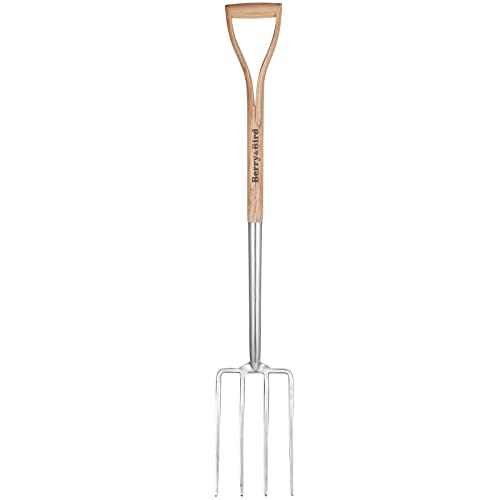
Best for: deep digging and heavy-duty soil work in medium-to-large garden beds. The four-tine design and long ash wood handle provide substantial leverage for turning soil, aerating beds, and planting. The stainless steel head resists dirt adhesion, which makes cleaning easier after tough digging.
Why selected: It stands out for durability and a timeless aesthetic, with a robust build intended to last many seasons. The ergonomic D-shaped handle reduces wrist strain during long digging sessions.
Limitation: The longer length means it requires more space to swing; avoid crowded beds where maneuverability is limited.
VNIMTI Garden Fork, 4-Tine Spading Fork

Best for: general garden tasks that require strength, including lifting bulbs, double digging, and flipping compost. The 4-tine design reduces soil sticking and offers efficient penetration. The Y-Grip handle is described as durable with wooden construction for strength and environmental considerations.
Why selected: It emphasizes a balance of heavy-duty steel and a sturdy wooden handle that supports controlled, powerful digs. The overall design reduces bending and improves leverage when breaking through harder soil.
Caution: Some users may prefer a longer or shorter handle depending on their height and preferred stance; ensure your shoulder and back alignment when using for extended periods.
Eadwiella Pitchfork, 4 Prong, 43″ with D-Handle

Best for: moist soil and compost tasks, where a sturdy, rust-resistant fork is desirable. The four tines are designed for efficient mixing, turning compost, and loosening soil for transplanting. The D-handle and ash wood build provide leverage and a comfortable grip.
Why selected: The mirror-polished stainless steel tines resist rust and are welded to the crossbar for strength. It helps reduce bending when lifting heavier loads or turning denser compost piles.
Limitation: The longer length is ideal for upright work; ensure sufficient clearance in smaller beds to avoid hitting plants or structures.
Berry&Bird Gardening Digging Fork, 4-Tine Stainless
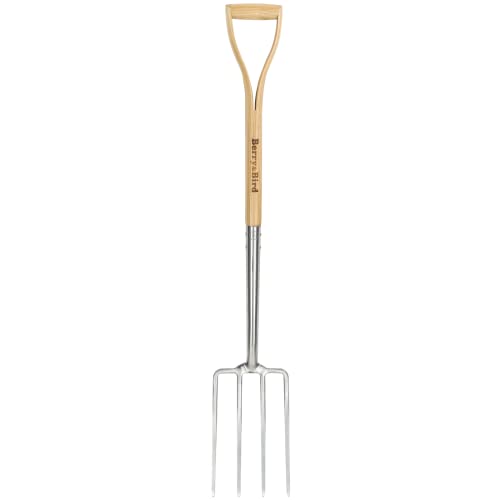
Best for: general digging, aeration, and turning soil in larger garden spaces. The four tines facilitate efficient soil breakdown, while the ash wood handle provides a solid grip for long sessions. The stainless steel head resists corrosion and dirt buildup.
Why selected: It combines a traditional design with durable stainless steel and an ergonomic wooden handle. The longer shaft helps reach and leverage for deep soil work without excessive bending.
Note: The product uses a longer shaft; it’s best suited for gardeners comfortable with extended reach and upright posture.
Buying Guide: Stainless Steel Garden Forks
What to consider when choosing a stainless steel garden fork:
- Handle design: D-grip vs straight handle affects grip comfort and wrist posture. Look for ergonomically shaped handles with hardwood or composite materials that reduce fatigue.
- Tine count and layout: 3-tine forks are lighter and ideal for weeding; 4-tine forks offer more stability for digging and turning soil. Four-tine designs spread work more evenly, reducing effort per tine.
- Tine material and head construction: Stainless steel tines resist rust and adhesion, which eases cleaning after moist soil or compost work. Checked welds and crossbar connections contribute to long-term durability.
- Length and leverage: Longer forks deliver greater leverage for deep digging but require more space to maneuver. Shorter forks are better for tight beds and containers.
- Maintenance: Dry and store forks after use to prevent rust; wipe the head and handle to remove soil and moisture.
- Intended tasks: Match fork strength to typical garden tasks—light weeding, soil loosening, compost integration, or heavy digging.
Frequently Asked Questions
- What is the advantage of a stainless steel garden fork over a carbon steel one?
– Stainless steel offers better rust resistance and easier cleaning, which helps maintain performance in moist soil and compost environments. - Which fork is best for tight garden spaces?
– A shorter, 3-tine hand fork is typically best for precision work in confined beds and around existing plants. - How do I choose between a 3-tine and 4-tine fork?
– Choose 3-tine for light weeding and quick tasks; choose 4-tine for more robust digging, turning soil, and aerating larger plots. - Is the handle material important for comfort?
– Yes. Hardwood handles with ergonomic shapes reduce wrist strain, especially during long sessions or repeated use. - Can these forks be used for compost piles?
– Yes. Four-tine designs are particularly effective for turning and incorporating organic material into compost piles. - Should I avoid using stainless steel forks on rocks?
– Repeated contact with rocks can dull tines or bend them; use caution and work with moist soil to minimize stress.