Answer: If you’re seeking a distinctive, low-maintenance succulent that adds whimsy to shelves or hanging displays, a monkey tail cactus (Hildewintera/cleistocactus variegata group) is an excellent choice. These trailing, hair-like spines resemble a furry monkey’s tail and suit indoor decor, small-space living, and gift-giving. The top options below are suited for different buyers—collectors seeking rooted, easy-care specimens; beginners needing proven resilience; and interior decorators aiming for visual drama with minimal upkeep.
The following table highlights five curated monkey tail cactus options, focused on rooting status, pot size, and care notes to help you compare at a glance. Use this as a quick reference to narrow your picks before reading deeper into each product’s details.
| Product | Pot Size | Best For | Key Care Point |
|---|---|---|---|
| Rare Monkey Tail Cactus (4-Inch Pot, 3-4 Tails) | 4 inch | Collectors seeking rooted, ready-to-grow tails | Low water; indirect light |
| Sprout N Green Monkey Tail Cactus | 4 inch | Beginner to intermediate indoor/outdoor decor | Strong root system; shade in summer |
| Rare Monkey Tail Cactus (6-Inch Pot, 5 Tails) | 6 inch | Showpiece displays with longer tails | Bright indirect light; low water |
| Rare Cactus Plants, 4″ Monkey Tail Cactus | 4 inch | Gift-giving and varied shapes/colors | Low-maintenance; bright light preferred |
| Monkey Tail Cactus Live Plants, 2″ Pot | 2 inch | Tiny spaces and starter plants for planting | Outdoor/indoor planting; no pot |
Rare Monkey Tail Cactus (4-Inch Pot, 3-4 Tails)

Best For: Collectors and seasoned hobbyists seeking a rooted, ready-to-grow monkey tail with multiple tails for immediate display. This option emphasizes a compact 4-inch pot with 3-4 tails, making it ideal for desks, mantels, or small shelves where foliage hangs attractively.
Care clarity: Botanical name Hildewintera colademononis. Light should be bright, indirect; some direct sun is tolerated. Water is low—let the soil dry completely between waterings. This combination supports healthy tail growth without overwatering, a common risk for stringy cacti.
Why selected: The rooted status and compact size shorten the path from purchase to visible growth, helping owners maintain consistent care routines while showcasing a pronounced furry appearance.
Caution: Tail length and overall health may vary with light exposure. Avoid placing in deep shade or overly damp soil, which can slow growth or encourage rot.
Sprout N Green Monkey Tail Cactus

Best For: Beginners and interior decorators who want a robustly rooted plant in a 4-inch pot for immediate display. The brand emphasizes a strong root system and reliable starting health, making it a forgiving option for first-time succulent owners.
Care clarity: Light requirements center on indirect bright sunlight, with tolerance for some outdoor sun during appropriate seasons. In spring and fall, outdoor placement benefits growth; in summer, shade helps prevent sunburn. Winter protection from frost is advised.
Why selected: Its strong root system and fully rooted 4-inch starter pot provide a dependable, low-stress entry into monkey tail ownership, with clear guidance on seasonal sun exposure to avoid common mistakes.
Caution: Growth may slow in overly hot, direct sun or poor drainage; ensure soil dries between waterings to maintain tail softness without overwatering.
Rare Monkey Tail Cactus (6-Inch Pot, 5 Tails)
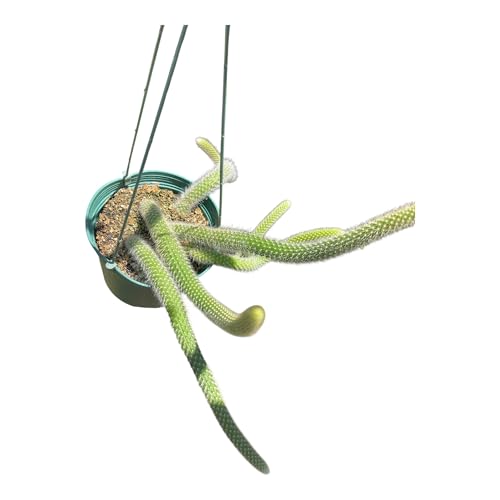
Best For: Display enthusiasts who want longer tails and a larger presence on tabletops or hanging displays. The 6-inch pot size accommodates more tails, creating a dramatic focal point in any room.
Care clarity: Botanical name listed as Cleistocactus colademononis in some listings; the cactus features long, trailing stems with hair-like white spines. It requires bright indirect light and low-water care, with soil allowed to dry between waterings.
Why selected: The extended tail length and larger container offer a distinct, eye-catching option for collectors who prefer a more expansive visual impact while maintaining simple care routines.
Caution: Longer tails can become fragile if overwatered or bumped; handle carefully and ensure stable, well-draining soil to prevent rot at the root level.
Rare Cactus Plants, 4″ Monkey Tail Cactus

Best For: Gift-givers and novice plant owners who want a unique, easy-care houseplant with variation. This option highlights variety in shapes and colors under different lighting and watering conditions, making it attractive for thoughtful presents.
Care clarity: These succulents are low-maintenance and suitable for people who travel; bright sunlight is preferable, while shade is advised in summer to prevent sunburn. Watering can be weekly or when soil dries.
Why selected: The emphasis on variety and adaptability makes this a versatile choice for homes and offices seeking a distinctive conversational plant that stays manageable for busy lifestyles.
Caution: Color and form may shift with lighting changes; maintain a consistent light source to encourage stable appearance and growth patterns.
Monkey Tail Cactus Live Plants, 2″ Pot

Best For: Space-tight environments or those starting with smaller plants. The 2-inch pot option is ideal for tight desks, windowsills, or windows with south-facing light where a tiny starter plant can grow into a statement tail over time.
Care clarity: The listing describes no-pot and live planting options; ensure you provide appropriate soil when transplanting and monitor water to avoid root rot. This option is better for patient growers who plan to pot and grow gradually.
Why selected: It suits buyers who want direct planting flexibility and timeline control, letting tail length develop at a comfortable pace while exploring various soil mixes and placements.
Caution: Peelings and tail extension rely on careful root establishment; avoid overwatering during early rooting, and provide adequate air circulation to prevent fungal issues in small pots.
Buying Guide: Monkey Tail Cactus Essentials
What to consider when choosing a monkey tail cactus:
- Tail length and pot size: Shorter tails in 4-inch pots are ready for immediate display; longer tails in 6-inch pots offer a more dramatic effect.
- Rooting status: Rooted plants provide quicker growth and easier setup; unrooted cuttings require careful rooting and moisture management.
- Light requirements: Most monkey tail cacti prefer bright, indirect light; some direct sun is tolerable, but excessive sun can cause sunburn on younger growth.
- Watering frequency: These cacti are drought-tolerant; allow soil to dry out between waterings to prevent rot. Overwatering is a common error for beginners.
- Indoor vs. outdoor use: They adapt to indoor windowsills and shaded outdoor spaces, with seasonal adjustments to sun exposure and frost protection.
- Aesthetics and display: Trailing tails create visual drama on hanging baskets, shelves, or tabletops. Consider how many tails are present to match your space.
- Maintenance: Choose plants with strong root systems for beginners; for collectors, prioritize unique tail configurations or longer tails.
Frequently Asked Questions
- What light level do monkey tail cacti prefer? They generally thrive in bright, indirect light, with some direct sun tolerated depending on the cultivar and season.
- How often should I water a monkey tail cactus? Water sparingly and allow the soil to dry completely between waterings; during active growth in spring and summer, you may water slightly more often, but never keep the soil constantly wet.
- Are monkey tail cacti suitable for beginners? Yes, several varieties are suitable for beginners, especially those with strong root systems and clearly defined care guidelines.
- Can monkey tail cacti be grown outdoors? They can be grown outdoors in appropriate climates with protection from frost; shade in summer helps prevent sunburn on younger growth.
- Do all monkey tail cacti have hair-like spines? Most varieties feature soft, hair-like spines that resemble a monkey’s tail, though the exact appearance can vary by species and cultivar.
- What’s the best way to display monkey tail cacti? They work well in hanging baskets, window ledges, or shelves where the tails can cascade for a dramatic effect.